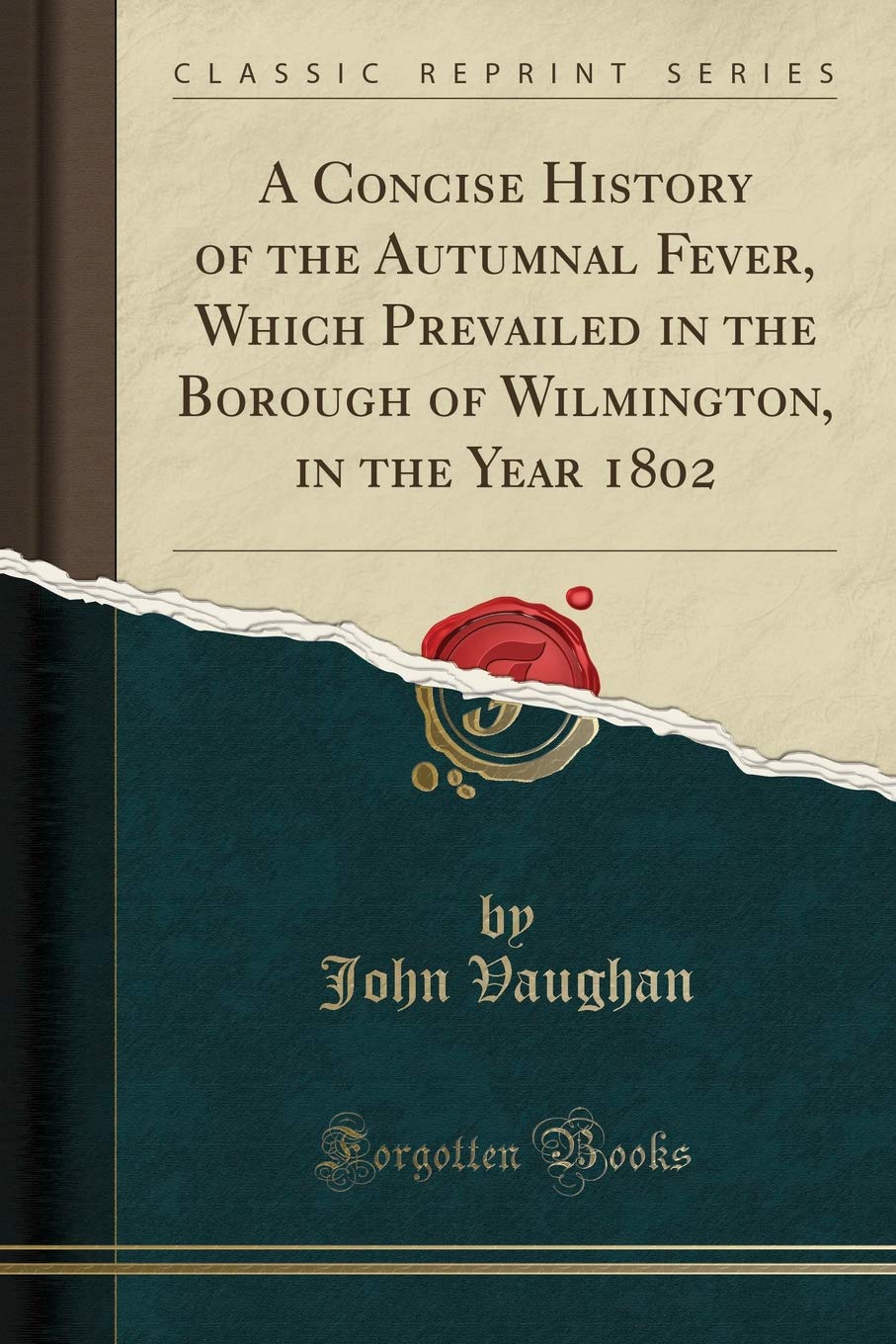
A Concise History of the Autumnal Fever, Which Prevailed in the Borough of Wilmington, in the Year 1802 (Classic Reprint)
$26.32
by John Vaughan



This book is a concise history of the autumnal fever that ravaged the borough of Wilmington, Delaware, in 1802. The devastating disease, similar to yellow fever, claimed numerous lives and left many more afflicted. The author, a medical professional, provides an in-depth account of the fever's rise, progression, and eventual eradication, offering valuable insights into the nature and origins of this deadly contagion. Through a meticulous examination of cases, weather patterns, and local conditions, the book explores the complex dynamics between the environment and disease spread, particularly highlighting the correlation between stagnant water, noxious odors, and the prevalence of illness. The author also delves into the ongoing debate regarding the contagious or infectious nature of the fever and its possible importation or domestic origins, presenting a balanced and evidence-based perspective. This historical account not only illuminates the specific events surrounding the 1802 outbreak but also contributes to our understanding of the broader history of epidemics and their impact on human populations.