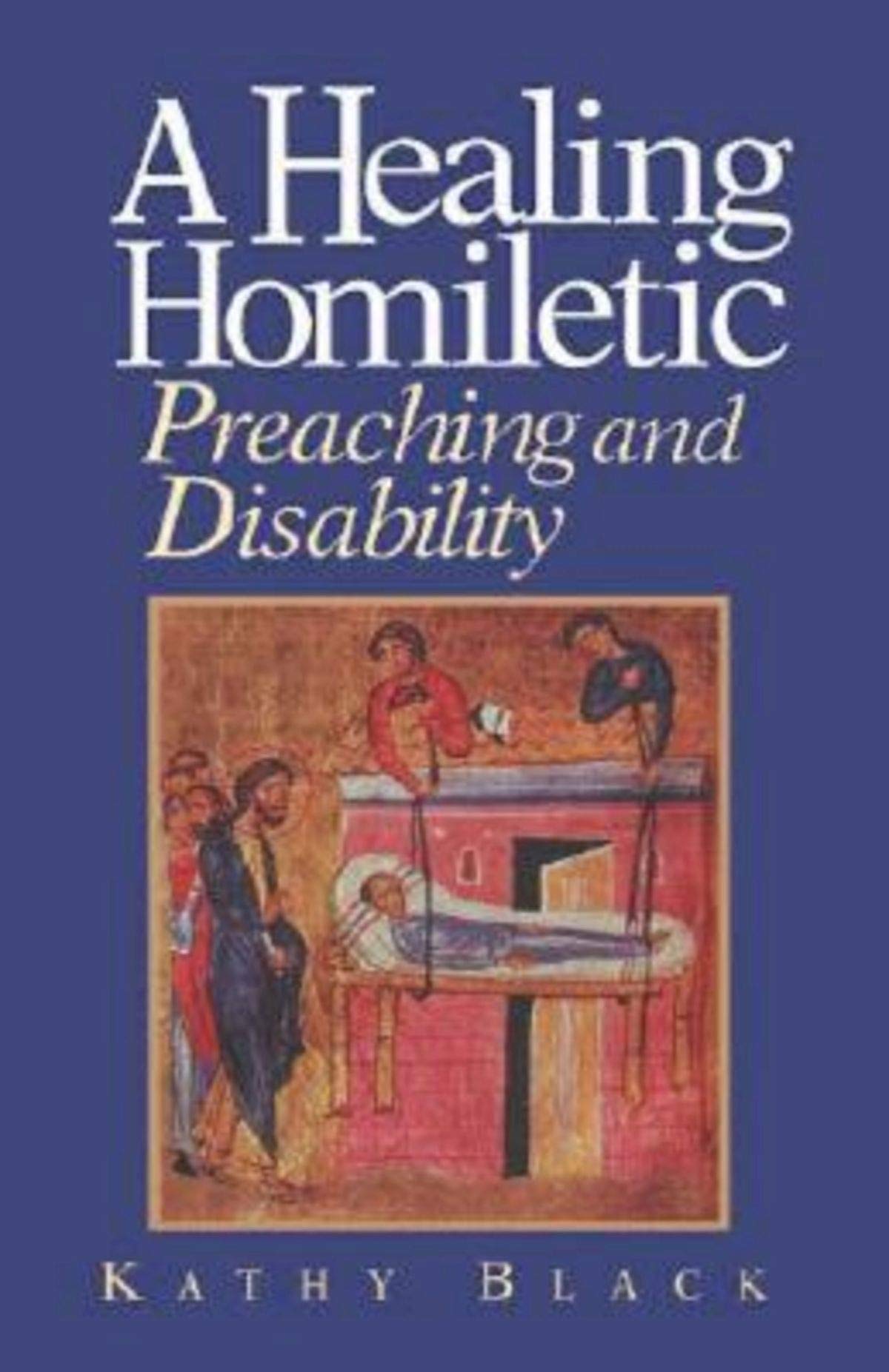



In A Healing Homiletic: Preaching and Disability, Kathy Black offers a unique and effective approach for preaching about disabilities. By going to the heart of the gospel and drawing on the healing narratives or miracle stories, Black shows how preaching affects the inclusion or exclusion of forty-three million persons with disabilities from our faith communities. A Healing Homiletic provides a new method of preaching about healing, based on Scripture, for understanding the needs of the disability community. In A Healing Homiletic: Preaching and Disability, Kathy Black offers a unique and effective approach for preaching about disabilities. By going to the heart of the gospel and drawing on the healing narratives or miracle stories, Black shows how preaching affects the inclusion or exclusion of forty-three million persons with disabilities from our faith communities. A Healing Homiletic provides a new method of preaching about healing, based on Scripture, for understanding the needs of the disability community. (2001) Kathy Black is Professor of Homiletics & Liturgics, the School of Theology at Claremont, and an ordained United Methodist minister. She has extensive experience in various fields of disability: she worked as chaplain at Gallaudet University (an outstanding college for the hearing impaired); she pastored two churches for deaf persons; and she taught Deaf Ministry classes and Ministry With Persons With Disabilities at Wesley Theological Seminary, Pacific School of Religion, and the School of Theology at Claremont. A Healing Homiletic Preaching and Disability By Kathy Black Abingdon Press Copyright © 1996 Abingdon Press All rights reserved. ISBN: 978-0-687-00291-7 Contents Preface, Acknowledgments, Introduction, Part I, Chapter One: Healing and Theodicy, Chapter Two: Hermeneutical Hazards, Part II, Chapter Three: Blindness, Chapter Four: Deafness and Hearing Loss, Chapter Five: Paralysis, Chapter Six: Leprosy and Chronic Illness, Chapter Seven: Mental Illness, Chapter Eight: A Healing Homilectic, Notes, Scripture Index, CHAPTER 1 Healing and Theodicy One of the most difficult questions pastors and theologians have had to deal with throughout the ages is why there is so much suffering in the world. Volumes have been written in response to this question. Rabbi Harold Kushner tried to deal with this issue in his popular book When Bad Things Happen to Good People. This underlying question plagues many clergy today as they attempt to provide pastoral care to persons with disabilities—particularly those who are experiencing disability for the first time. A person has been in a car accident and wakes up in the hospital without the ability to walk. The long-awaited birth of a baby finally arrives, but joy turns to unknown fear as the expectant parents wait in silence while the doctors rush the newborn off to ascertain her physical condition. What do clergy have to offer to those who experience such suffering when the immediate shock and anger wear off and the questions are raised about why this happened to them? Where is God in the midst of their pain? The questions are difficult. On the one hand, we have years of training, and many laity look to us for answers. For some people, clergy are the representatives of God, and they come to us not only for comfort but also for help in finding some meaning in their life situations. And while clergy may be exceptionally competent in many areas of ministry and feel in control of many situations, dealing with persons with disabilities makes many clergy uncomfortable. We have volumes to say on most topics (after all, preaching is a major part of our job), but we are uncomfortably silent when it comes to this particular group of people. We do not know what to say, we do not have any real answers, and their vulnerability raises in us questions about our own finitude and fragility. If this happened to them, what prevents me from being in their situation tomorrow? In our attempts to deal with these issues and answer these questions, clergy have rightly relied on theology, tradition, and biblical guidance. The problem, however, is that Christian tradition and the Bible itself are very ambiguous on this topic, and clergy end up conveying mixed and often confusing, contradictory messages—in pastoral care settings and in preaching. Angel or Devil, Blessed or Cursed One contradictory message many churches convey is that persons with disabilities are both blessed by God and cursed by God. Some within the Christian tradition label the persons with a disability as "angel" while others label the same person as "devil." Religious communities often view persons with disabilities as blessed, specially chosen by God to be courageous witnesses to the world. How often have we heard persons with disabilities praised for their perseverance, their inner strength, their visible witness that nothing in life will destroy their inner spirit