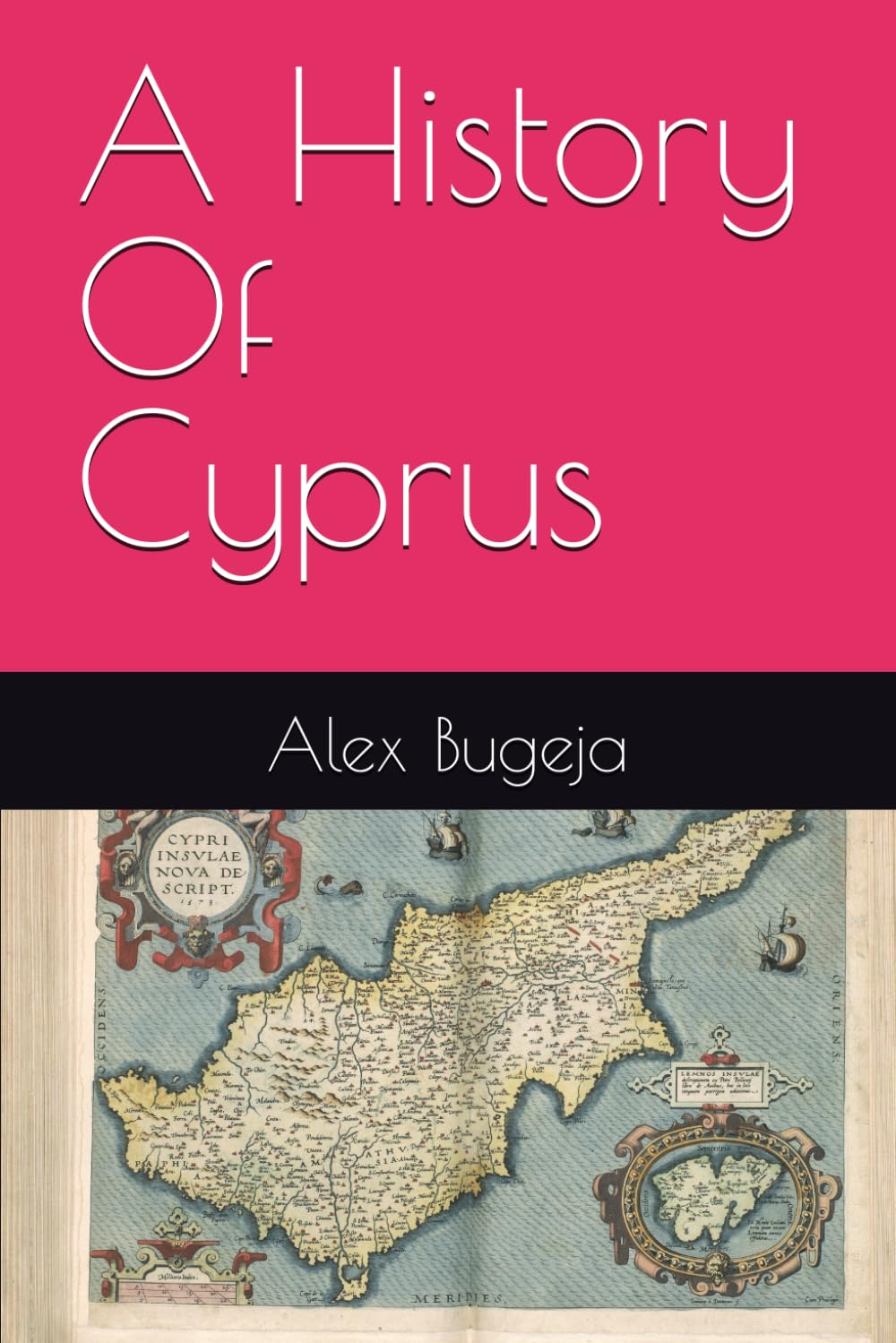



From the prehistoric arrival of hunter-gatherers and the extinction of pygmy hippopotamuses to its modern status as a divided European Union member state, this comprehensive history explores the remarkable trajectory of Cyprus. Nestled at the strategic crossroads of Europe, Asia, and Africa, the island has served for millennia as a vital bridge and a coveted prize for history's greatest empires. This narrative charts the rise of ancient city-kingdoms like Salamis and Paphos, the island's central role in the Bronze Age copper trade, and the cultural synthesis that occurred under the rule of Persians, Greeks, Romans, and Byzantines. The book delves into the colorful medieval era, beginning with the dramatic conquest by Richard the Lionheart during the Third Crusade. Readers will explore the establishment of the Frankish Lusignan Kingdom, a period of Gothic splendor and feudal intrigue, followed by the formidable maritime rule of the Venetian Republic. The narrative then shifts to the three centuries of Ottoman rule, which fundamentally reshaped the island's demographic and religious landscape, and the subsequent British colonial administration that saw the birth of competing nationalisms. A significant portion of the text is dedicated to the turbulent 20th century, providing a detailed account of the struggle for independence and the rise of the enosis and taksim movements. The book offers a balanced analysis of the constitutional collapse of the early Republic, the intercommunal violence of the 1960s, and the pivotal 1974 crisis that resulted in the island's de facto partition. It examines the human cost of displacement and the decades of diplomatic stalemate that have followed, punctuated by failed reunification attempts and the complexities of the UN-monitored Buffer Zone. In its final chapters, the history addresses Cyprus’s contemporary reality as a divided nation within the European Union. It explores the impact of the 2013 financial crisis, the discovery of offshore natural gas reserves, and the evolving geopolitical tensions in the Eastern Mediterranean. By weaving together archaeological findings, archival records, and modern scholarship, the book provides a clear and engaging account of how the "Island of Aphrodite" has been shaped by its natural resources, its spiritual heritage, and its enduring role as a strategic pivot point for world powers.