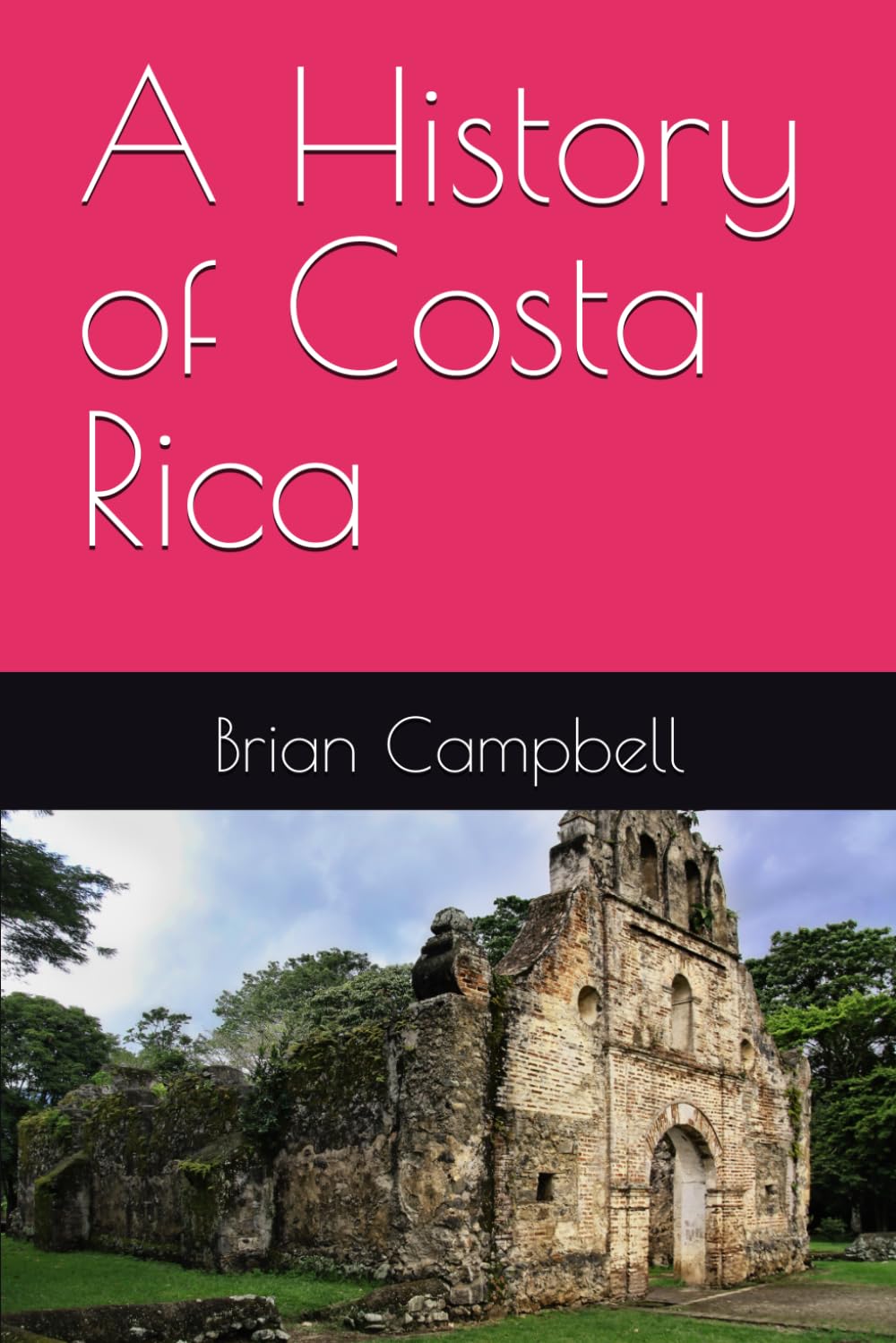



Often celebrated as a tranquil paradise of lush rainforests and democratic ideals, Costa Rica's "Pura Vida" image belies a history that is as turbulent and complex as it is inspiring. This book ventures beyond the postcard clichés to uncover the dramatic story of how a neglected Spanish colonial backwater, lacking the gold or grand civilizations of its neighbors, forged a unique and often contradictory path. It is a journey through pivotal conflicts, bold social experiments, and profound transformations that reveals how a nation celebrated for its peace was ultimately born from war, and how its egalitarian society has continually grappled with the forces of inequality. Beginning with its diverse pre-Columbian peoples, the narrative traces the slow and arduous process of nation-building. The arrival of a single crop, coffee, revolutionized the 19th-century economy, creating immense wealth for a powerful new oligarchy and connecting the isolated nation to the world. This era of progress was punctuated by formative struggles, from internal civil wars that defined the republic's character to the heroic national campaign of 1856-1857 against the American filibuster William Walker—a crucible that forged a lasting sense of national identity and sovereignty. The subsequent development of the banana industry and the construction of the Atlantic railroad brought new prosperity, but also introduced the immense influence of foreign corporations and created a racially segregated enclave on the Caribbean coast. The 20th century proved to be the nation's most transformative period, marked by growing social tensions and political upheaval. This book details the groundbreaking social reforms of the 1940s, which established a comprehensive welfare state, and the shocking alliance of the government, the Catholic Church, and the Communist Party that made it possible. The narrative culminates in the bloody 44-day Civil War of 1948, a conflict sparked by a disputed election that led to the founding of the Second Republic and the world-renowned decision to abolish the armed forces. This revolutionary act would become the cornerstone of modern Costa Rican identity and foreign policy. In the post-war era, Costa Rica solidified its status as a democratic exception in a region torn apart by Cold War conflicts, navigating a delicate neutrality while championing a historic peace plan for Central America that earned a Nobel Prize. The narrative then explores the challenges of the modern era: the painful economic crises of the 1980s, the shift towards a free-market economy, and the rise of a globally recognized ecotourism industry. It confronts the complex realities of the 21st century, from the bitter national referendum over free trade to the contemporary struggles with rising inequality, drug-related crime, and a polarized political landscape that tests the resilience of the nation's celebrated institutions.