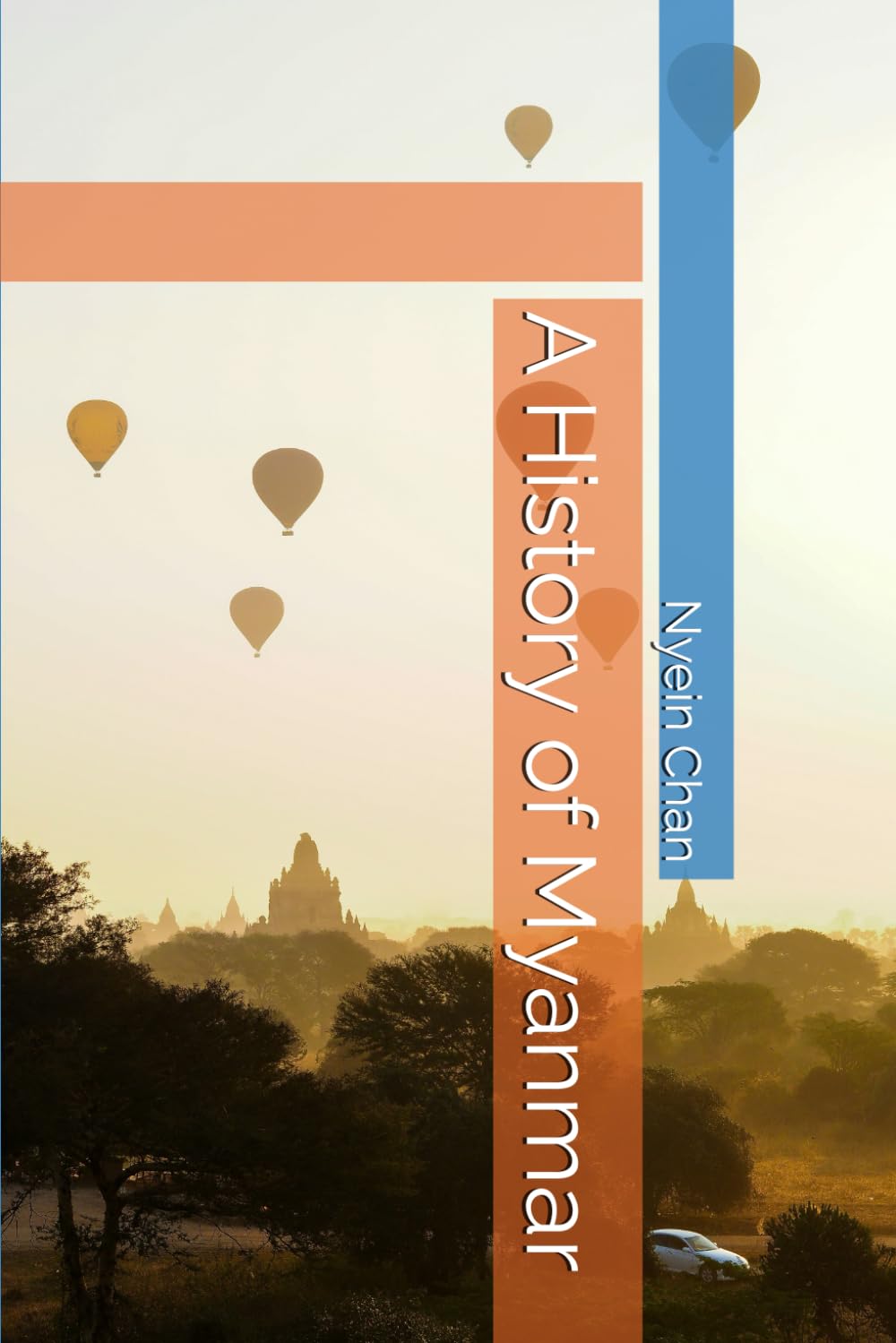



From the shimmering golden pagodas of the ancient "Golden Land" to the modern-day echoes of civil war, this comprehensive history navigates the breathtaking contradictions of Myanmar. It is a journey down the great Irrawaddy River, exploring how a nation of unparalleled faith, imperial grandeur, and profound beauty has become one of the world's most troubled corners. Positioned at a strategic crossroads between India and China, Myanmar's history has been shaped by its unique geography—a fertile Bamar heartland surrounded by a formidable horseshoe of highlands inhabited by a staggering diversity of ethnic groups. This book delves into the central drama of the nation's story: the perennial struggle between the center and the periphery, a dynamic that predates colonialism and continues to fuel the conflicts of today. The narrative begins in the mists of prehistory, tracing the early migrations that formed the nation’s complex ethnic mosaic and the rise of the remarkable Pyu city-states. It then plunges into the golden age of kings, chronicling the forging of the first unified empire on the plains of Bagan, a kingdom that established the Buddhist and cultural identity that endures to this day. Readers will follow the epic cycle of collapse and reunification through the rise of the Toungoo Dynasty, which created the largest empire in Southeast Asia, and the final royal house of the Konbaung kings, whose ambitions led them into a fatal collision with a new global power: the British Empire. The arrival of the British marks a traumatic break, as three Anglo-Burmese Wars lead to the extinction of the ancient monarchy and a revolutionary transformation of society. This history examines how colonial rule redrew borders, created new ethnic categories, and sowed the seeds of future conflict, while also inadvertently planting the seeds of its own destruction. The story continues with the rise of a new generation of nationalists, led by the charismatic Aung San, their struggle for freedom through the crucible of the Second World War, and the flawed promise of independence in 1948, a dream cut short by assassination and the immediate outbreak of widespread civil war. Bringing the story to the turbulent present, the book provides crucial context for today’s headlines. It details the 1962 military coup that plunged the country into decades of isolation under the ruinous "Burmese Way to Socialism," the massive popular uprisings of 1988 and the 2007 Saffron Revolution, and the rise of Aung San Suu Kyi as a global icon of peaceful resistance. The narrative covers the hopeful decade of political and economic liberalization in the 2010s, a false dawn that ended with the shocking 2021 military coup. Finally, it chronicles the return of direct military rule and the ongoing, nationwide civil war, exploring how the current crisis is not an aberration but the product of deep-seated historical forces.