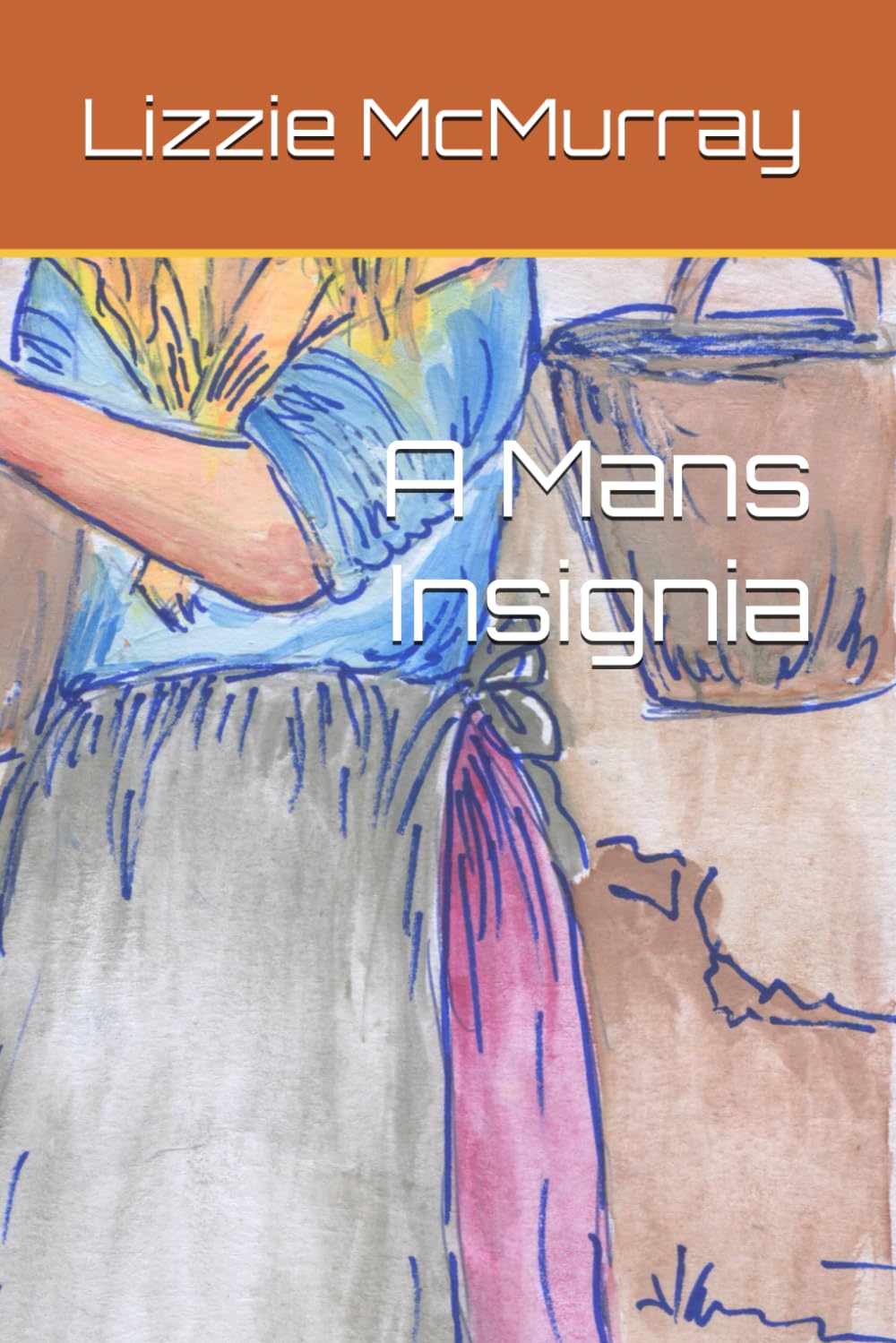



It is early 1809 and Flora an innocent girl child is farming in a secluded area known as Jaywick, her beloved companion is a dog called Livvy. The Napoleonic wars are not going well and an important plan of defence against French forces is building a string of Martello Towers along the Essex coastline, militarising the area. What will the presence of British soldiers bring wonders the local community, for Flora it is opportunity. A youthful engineer Lieutenant Erving enters the farmlands to complete his first military project, with a group of soldiers recently returned from battle. Flora has dreams and wishes of adventure and soon she is enjoying the fun and camaraderie that is part of camp life and gradually she finds a place amongst the soldiers and wins their respect. Then in one night any future dreams are wrenched from Flora and instead of finding freedom she becomes more enmeshed into life on the farm. As the soldiers leave to fight in Walcheren, Flora is left behind, although her life like the landscape, is forever changed. In the cold months that ensue Flora has her own fight to survive, whilst the soldiers are enduring the marshlands of Walcheren and its strange sickness. When winter reaches its height of darkness, the solstice brings an unravelling of Flora’s life bringing with it a truth Flora has been seeking. An opportunity to leave the farm presents itself, one that she hopes will keep her safe from the shadows and tricksters of the regency world. To do this Flora must hide within herself. As a female Flora cannot join the army the only other world she knows outside of the farm, to join she must suppress her femininity. For Flora to be awarded army insignia, which can only be worn by men, she must quite literally join their ranks. Can she get away with this deception? When faced with the newly promoted Captain Erving will she be discovered? Thia novel goes along that road well travelled in Regency literature, the marriage market and the social aspirations of the upper classes and it also has real romance and relationships, it also looks at the less traversed path of working men and women and what life brought for those who had no place in the society around them. There is much evidence of women serving in the army at this time, but to do so they had to pass as men and many succeeded. They joined for many of the same reasons that women have continued to join military life in the twentieth century, looking for a place to be their true selves. This book contains passages of domestic violence which comes in many forms