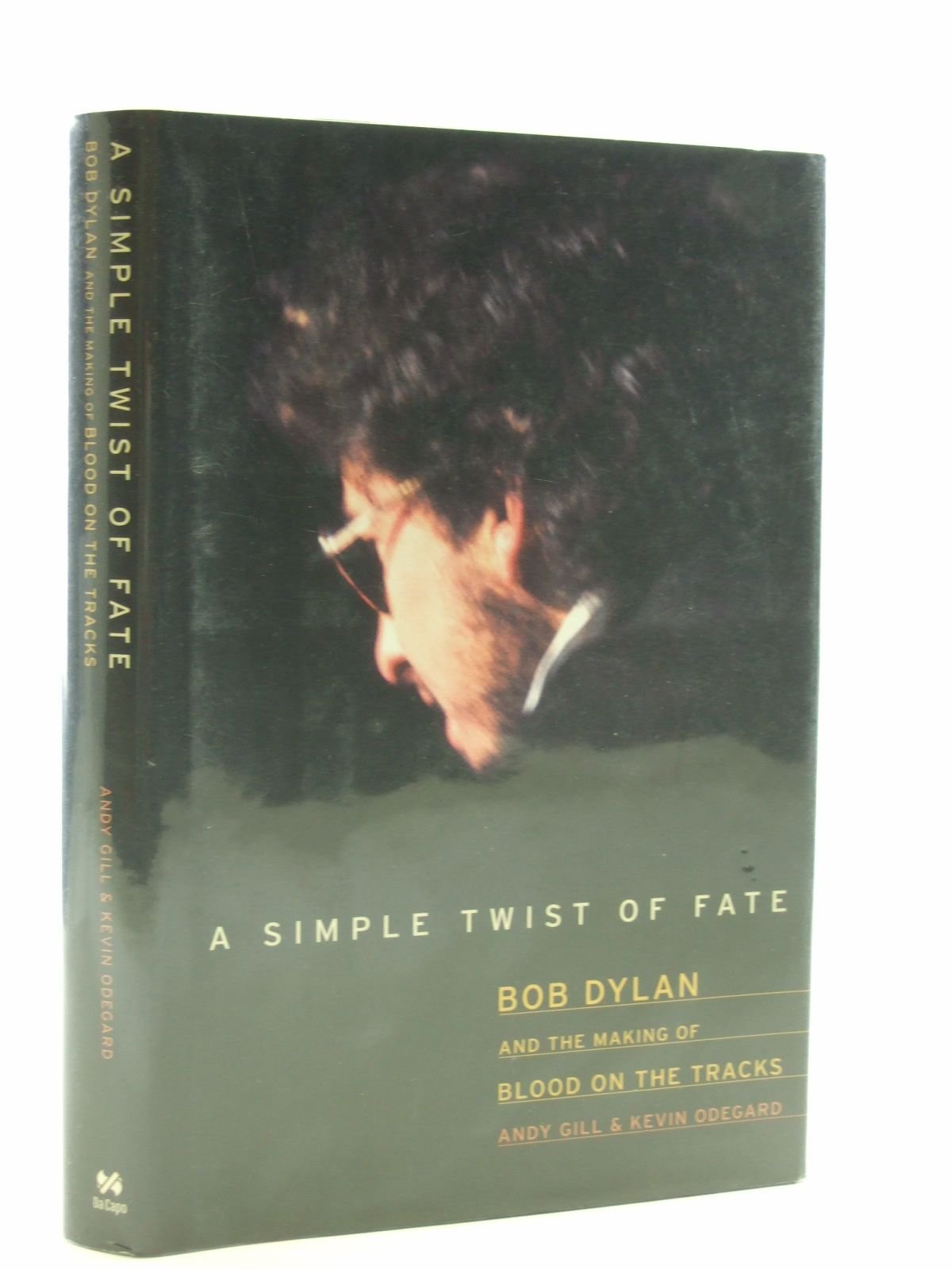



In 1974 Bob Dylan wrote, recorded, reconsidered, and then re-recorded Blood on the Tracks, and to this day, no one who hears it can avoid being blown away by its emotional power. Commonly referred to as "the greatest break-up album of all time," it was written as Dylan's own twelve-year marriage began to painfully unravel. Songs like "Tangled Up in Blue," "Idiot Wind," and "Shelter from the Storm" have become the template for multidimensional, adult songs of love, longing, and loss.Yet the full story behind the creation of this album has never been told. The authors have drawn upon first-hand information and interviews with the musicians, producers, industry insiders, as well as Dylan's friends, associates, and relatives. A Simple Twist of Fate is an engaging chronicle of how one artist transformed his personal pain and confusion into great art. In 1974, Bob Dylan broke a streak of wan and uninspired recordings with Blood on the Tracks , composed in the wake of the breakup of the singer-songwriter's 12-year marriage. The album was immediately hailed by fans and critics as one of his best. After cutting blood with a group of crack New York studio musicians, Dylan redid most of its songs in Minneapolis with a group of obscure local players, including coauthor Odegard, and the versions of "Shelter from the Storm" and "Idiot Wind" on the album are from the remake recordings. Exhaustive interviews with musicians from both sessions allow a detailed chronicle of the sessions and provide a harrowing portrayal of working with the mercurial, hard-to-please Dylan. Lengthy passages describing the early-'70s cultural and musical milieu and the sometimes-stormy relationship between Dylan and his brother, producer of the Minneapolis sessions, mostly just pad the text out to book length. Blood on the Tracks remains a high point of Dylan's career, and its many devotees will relish this thorough account of its making. Gordon Flagg Copyright © American Library Association. All rights reserved "A meaningful picture of a wonderful record's creation and reception." -- PopMatters 04/09/04 "A must for Dylan fans." -- Maxim April 2004 "A unique and utterly engaging chronicle of how one musician channeled his personal pain and confusion into great art." -- Grand Forks Herald 5/2/04 "An insider's look at the difficulties Dylan had in making one of his most popular albums." -- Palo Alto Weekly 03/03/04 "An intimate glimpse of this social recluse creating one of his most enduring albums." -- Gotham March 2004 "Chronicle[s]...the confluence of life events that shaped the record...The authors provide glimpses of Dylan's intensity and his ego." -- Library Journal 03/15/04 "Informative and in some places even enlightening...A book for die-hard Dylan fans." -- San Francisco Chronicle 03/21/04 "Insatiable Dylan fans will find enough tidbits here to make the album that inspired this book all the more vivid." -- Harp April/May 2004 "The untold story of the musicians who played on one of Dylan's most-praised albums...Fascinating." -- Minnesota Daily News 02/26/04 "[A] riveting book about the making of the album." -- Men's Health November 2004 Andy Gill is a leading critic for The Independent, and has edited or written for NME, Q, Mojo, Rolling Stone, GQ, and Maxim. He lives in London. Kevin Odegard was a brakeman on the Chicago and Northwestern Railroad when he was asked to play guitar on Blood on the Tracks. He has written for USA Today, Billboard, and other periodicals. He lives in Wayzata, Minnesota. Bob Dylan in 1974 making Blood on the Tracks