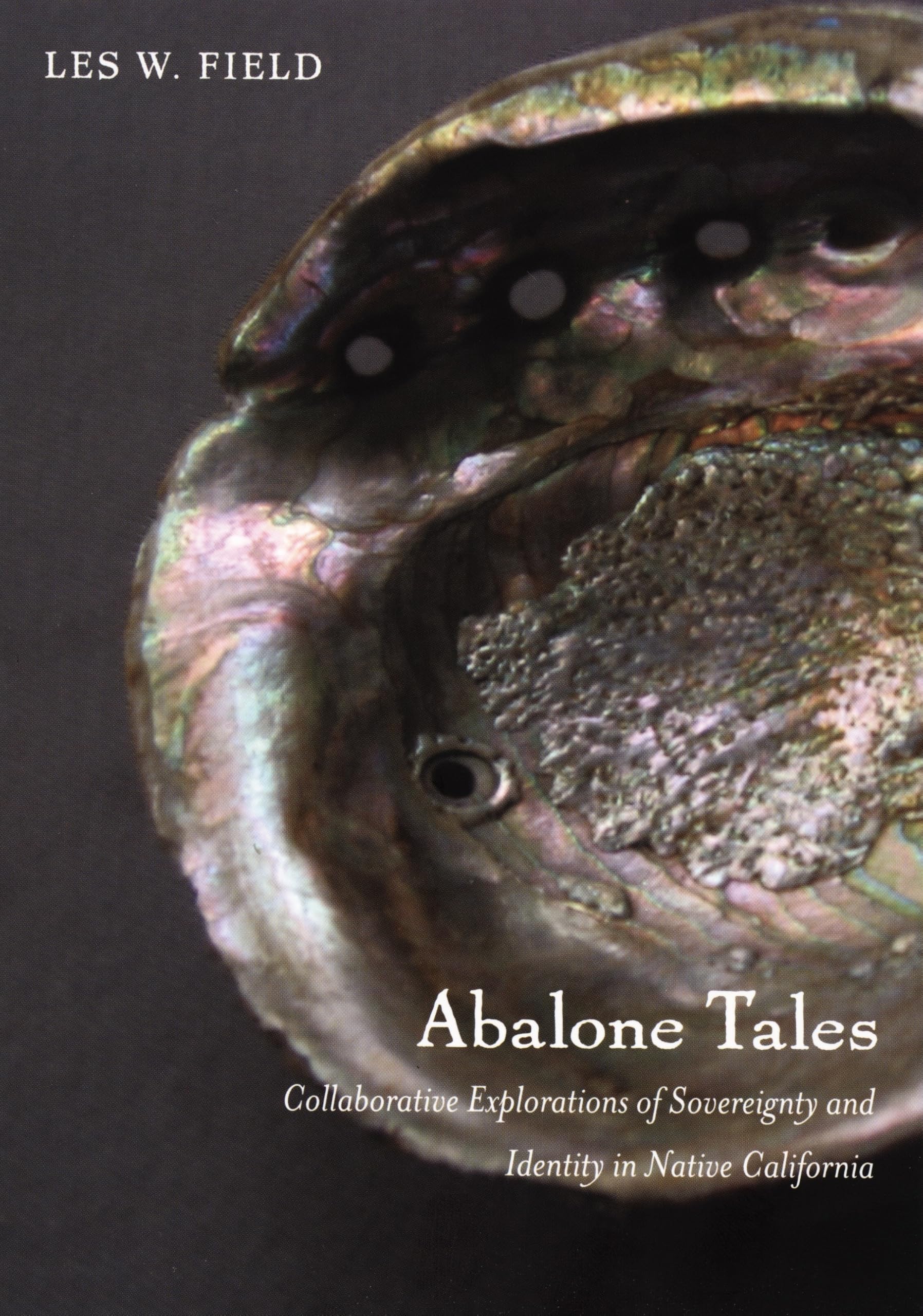
Abalone Tales: Collaborative Explorations of Sovereignty and Identity in Native California (Narrating Native Histories)
$18.69
by Les W. Field



For Native peoples of California, the abalone found along the state’s coast have remarkably complex significance as food, spirit, narrative symbol, tradable commodity, and material with which to make adornment and sacred regalia. The large mollusks also represent contemporary struggles surrounding cultural identity and political sovereignty. Abalone Tales , a collaborative ethnography, presents different perspectives on the multifaceted material and symbolic relationships between abalone and the Ohlone, Pomo, Karuk, Hupa, and Wiyot peoples of California. The research agenda, analyses, and writing strategies were determined through collaborative relationships between the anthropologist Les W. Field and Native individuals and communities. Several of these individuals contributed written texts or oral stories for inclusion in the book. Tales about abalone and their historical and contemporary meanings are related by Field and his coauthors, who include the chair and other members of the Muwekma Ohlone Tribe; a Point Arena Pomo elder; the chair of the Wiyot tribe and her sister; several Hupa Indians; and a Karuk scholar, artist, and performer. Reflecting the divergent perspectives of various Native groups and people, the stories and analyses belie any presumption of a single, unified indigenous understanding of abalone. At the same time, they shed light on abalone’s role in cultural revitalization, struggles over territory, tribal appeals for federal recognition, and connections among California’s Native groups. While California’s abalone are in danger of extinction, their symbolic power appears to surpass even the environmental crises affecting the state’s vulnerable coastline. “ Abalone Tales shimmers like the mother of pearl in a California Indian necklace. Out from the shadows of the old colonial tradition, the book fulfills the overdue promise of a new collaborative anthropology. It accomplishes this with remarkable intimacy and intelligence, and in so doing gives us new ways of thinking about ethnography, Native America, and the global politics of indigeneity today.”— Orin Starn , author of Ishi’s Brain: In Search of America’s Last “Wild” Indian “Abalone Tales is a fine example of collaborative ethnography. It adds immeasurably to ongoing conversations among anthropologists and other social scientists about the still-emergent possibilities for producing dialogic, collaborative, and ethically responsible ethnographies.”— Luke Eric Lassiter , Marshall University Graduate College ""Abalone Tales" is a fine example of collaborative ethnography. It adds immeasurably to ongoing conversations among anthropologists and other social scientists about the still-emergent possibilities for producing dialogic, collaborative, and ethically responsible ethnographies."--Luke Eric Lassiter, Marshall University Graduate College Les W. Field is Professor of Anthropology at the University of New Mexico. He is the author of The Grimace of Macho Ratón: Artisans, Identity, and Nation in Late-Twentieth-Century Western Nicaragua , also published by Duke University Press, and a co-editor of Anthropology Put to Work . Abalone Tales Collaborative Explorations of Sovereignty and Identity in Native California By LES W. FIELD CHERYL SEIDNER JULIAN LANG ROSEMARY CAMBRA FLORENCE SILVA VIVIEN HAILSTONE DARLENE MARSHALL BRADLEY MARSHALL CALLIE LARA MERV GEORGE SR. Duke University Press Copyright © 2008 Duke University Press All right reserved. ISBN: 978-0-8223-4233-5 Contents ABOUT THE SERIES.....................................................................................................................viiACKNOWLEDGMENTS......................................................................................................................ixINTRODUCTION Why Abalone? The Making of a Collaborative Research Project.............................................................11 The Old Abalone Necklaces and the Possibility of a Muwekma Ohlone Cultural Patrimony...............................................192 Abalone Woman Attends the Wiyot Reawakening........................................................................................503 Florence Silva and the Legacy of John Boston: Responsibility at the Intersection of Friendship and Ethnography.....................624 Reflections on the Iridescent One..................................................................................................845 Cultural Revivification in the Hoopa Valley........................................................................................1096 Extinction Narratives and Pristine Moments: Evaluating the Decline of Abalone......................................................137CONCLUSION Horizons of Collaborative Research........................................................................................161NOTES..............................................................................................................