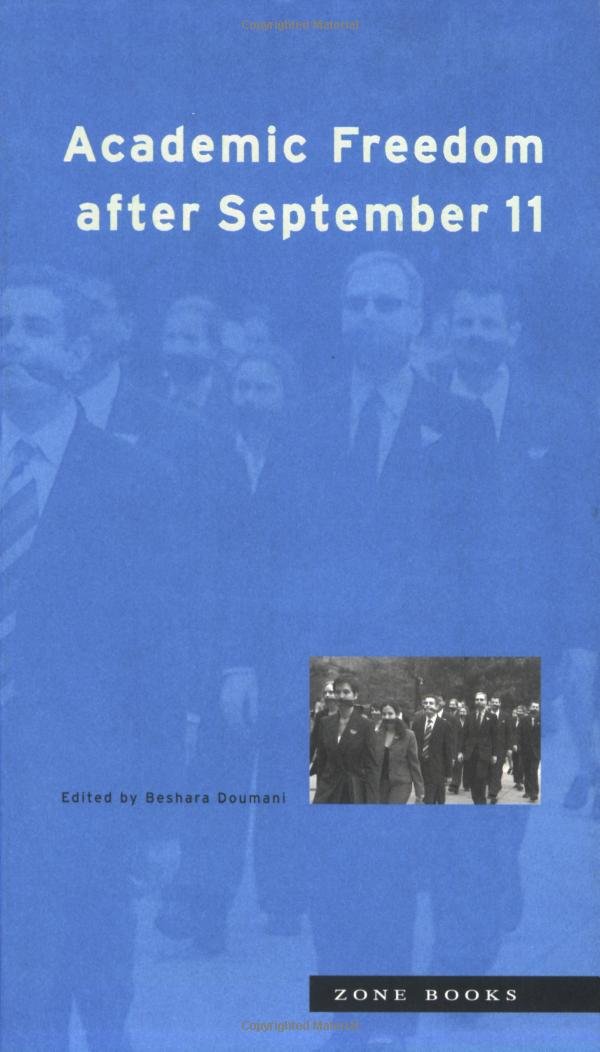



In the aftermath of September 11, 2001, institutions of higher learning have been subjected to an increasingly sophisticated infrastructure of surveillance, intervention, and control. Are the dark clouds hovering over academic life a passing storm, or do they betoken a structural shift that undermines a key pillar of democratic societies? This book brings together some of the nation’s leading scholars to analyze the new challenges facing the system of higher education in the United States, including the rise of conflicting interpretations of what constitutes academic freedom. In clear and powerful prose, the essays in this volume provide a solid platform for informed classroom and public discussions on the philosophical foundations, institutional practices, and political dimensions of academic freedom in the twenty-first century. Essays by Joel Beinin, Judith Butler, Beshara Doumani, Kathleen J. Frydl, Amy Newhall, Robert Post, and Philippa Strum. "Academic freedom is under a sustained assault following the terrorist attacks of September 11. The free flow of information has been restricted, unreasonable barriers to academic materials have been erected, and foreign students and faculty have come under increased surveillance. Such actions are a misguided response to the threat of terrorism. Hamstringing the free exchange of ideas and information will do little if anything to prevent terrorist attacks, but will certainly diminish the capacity of the academic community to address threats to public safety. In "Academic Freedom after September 11," the consequences and implications of the reduction of academic freedom are examined in a thoughtful and trenchant manner covering many different facets of this timely and important debate."--Anthony D. Romero, Executive Director, American Civil Liberties Union "Academic freedom is under greater attack today than at any time since the McCarthy era fifty years ago. These original and remarkably intelligent and profound essays, representing diverse analytical perspectives, should be read by anyone interested in the future vitality of American universities."--Jonathan R. Cole, John Mitchell Mason Professor of the University, Columbia University "This is a vital and timely book in view of the insidious campaign under way to undermine the freedom and autonomy of the universities, to intimidate outspoken voices on campus, and to silence one of the few zones left in American public life where corporate/government newspeak does not dominate. These insightful essays analyse the nature of the peril menacing academic freedom since September 11, and suggest strategies for dealing with it."--Rashid Khalidi, Edward Said Professor of Arab Studies, Columbia Univerisity & quot; Academic freedom is under a sustained assault following the terrorist attacks of September 11. The free flow of information has been restricted, unreasonable barriers to academic materials have been erected, and foreign students and faculty have come under increased surveillance. Such actions are a misguided response to the threat of terrorism. Hamstringing the free exchange of ideas and information will do little if anything to prevent terrorist attacks, but will certainly diminish the capacity of the academic community to address threats to public safety. In Academic Freedom after September 11, the consequences and implications of the reduction of academic freedom are examined in a thoughtful and trenchant manner covering many different facets of this timely and important debate.& quot; -- Anthony D. Romero, Executive Director, American Civil Liberties Union & quot; Academic freedom is under greater attack today than at any time since the McCarthy era fifty years ago. These original and remarkably intelligent and profound essays, representing diverse analytical perspectives, should be read by anyone interested in the future vitality of American universities.& quot; -- Jonathan R. Cole, John Mitchell Mason Professor of the University, Columbia University & quot; This is a vital and timely book in view of the insidious campaign under way to undermine the freedom and autonomy of the universities, to intimidate outspoken voices on campus, and to silence one of the few zones left in American public life where corporate/government newspeak does not dominate. These insightful essays analyse the nature of the peril menacing academic freedom since September 11, and suggest strategies for dealing with it.& quot; -- Rashid Khalidi, Edward Said Professor of Arab Studies, Columbia Univerisity " Academic freedom is under a sustained assault following the terrorist attacks of September 11. The free flow of information has been restricted, unreasonable barriers to academic materials have been erected, and foreign students and faculty have come under increased surveillance. Such actions are a misguided response to the threat of terrorism. Hamstringing the free exchange of ideas and information will do little if anything