African nurses and everyday work in twentieth-century Zimbabwe (Nursing History and Humanities)
$91.07
by Clement Masakure



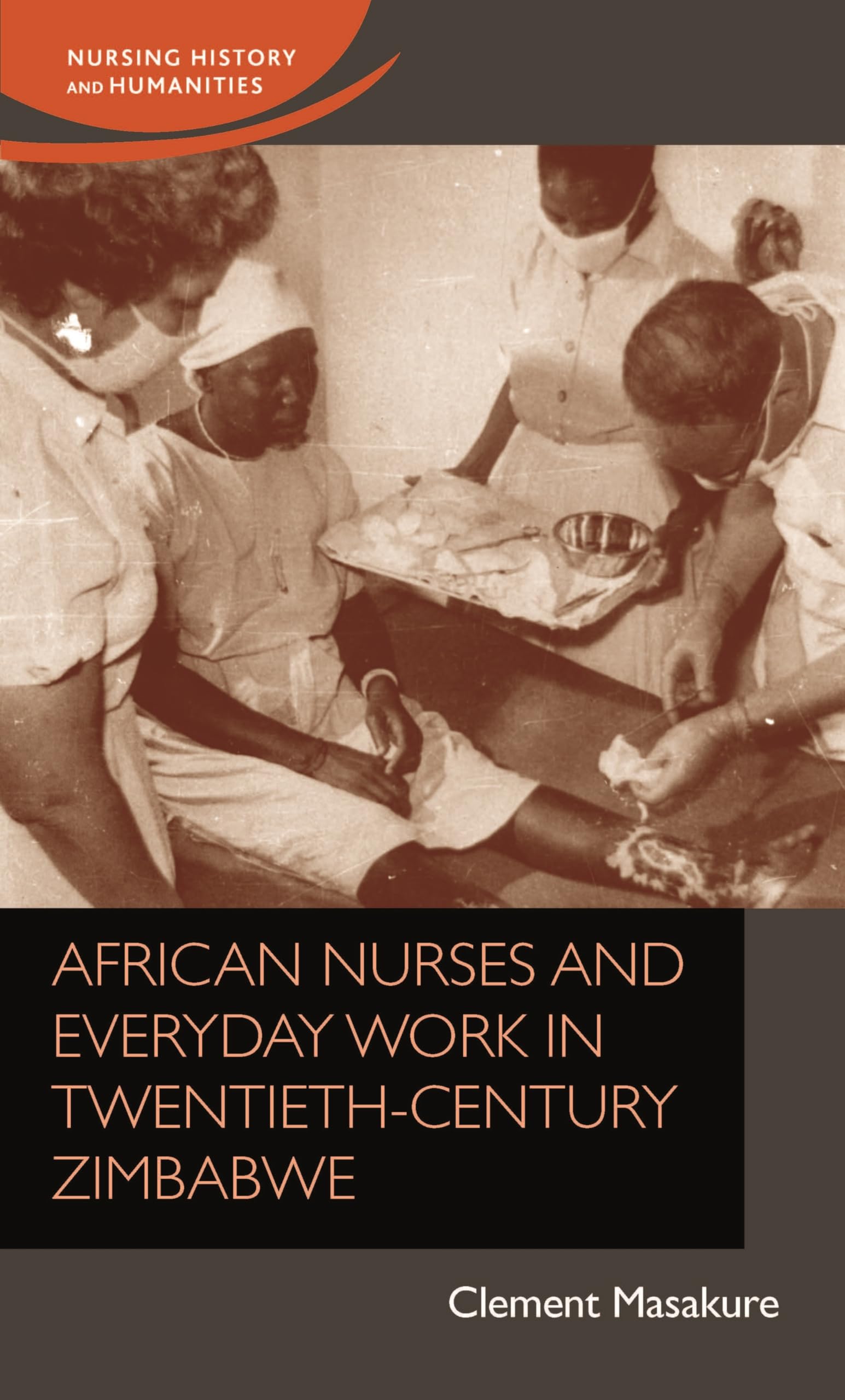
Informed by the memories of African nurses, this book highlights the experiences of men and women who provided nursing services in Zimbabwe’s hospitals in the twentieth–century. It argues that in their subordinate positions, and within their various capacities – nursing assistants, nursing orderlies, medics and qualified nurses - African women and men played a pivotal role in the provision of healthcare services to their fellow Africans. They transformed hospital spaces into their own, reshaped and reformulated indigenous as well as western nursing and biomedical practices. Through their work, African nurses contributed to the development of the nation by being at the bedside, healing the sick and nursing the infirm. At the intersection of nursing history and history of hospitals in colonial and post-colonial societies, African nurses and everyday work reconstructs the daily experiences of African women and men who worked as nursing assistants, nursing orderlies, medics and State Registered Nurses in Zimbabwe’s hospitals. It demonstrates how African nurses creatively adapted to their subordinate position within hospitals, shouldering the burden of nursing the infirm, and in the process transforming Zimbabwe’s clinical spaces into their own. It moves beyond hospitals through a sustained interrogation of the significance of the nursing profession within African communities. These experiences are put into sharp focus over a period of a century – covering the colonial and post-colonial eras. Through an examination of nurses’ experiences within clinical spaces and beyond, and by scrambling the colonial and post-colonial temporal boundaries, the book suggests that nurses were important historical actors whose everyday work deserves to be documented. Clement Masakure is a Senior Lecturer in the Department of History at the University of the Free State