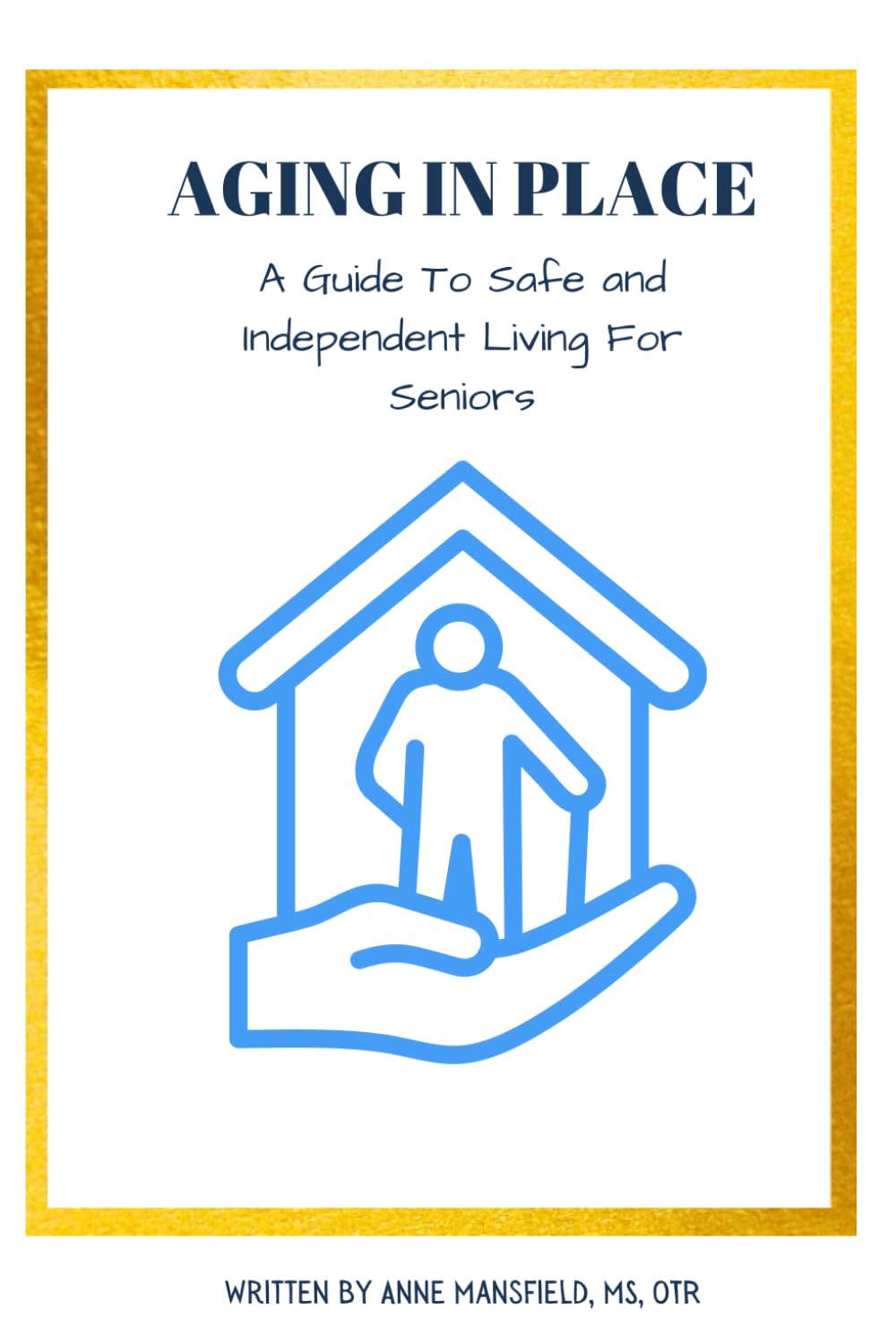
Aging in Place: A Guide to Safe and Independent Living for Seniors
$22.50
by Anne Mansfield



Aging in Place: A Guide to Safe and Independent Living for Seniors is a comprehensive resource written by an experienced Occupational Therapist with almost 30 years of expertise in geriatrics, complemented by the personal journey of caring for her 94-year-old mother, who continues to live independently. Combining professional insight with personal experience, this guide is an invaluable tool for seniors, caregivers, and families seeking to create a safe, supportive, and fulfilling home environment for aging in place. Aging in place is about more than staying at home—it’s about thriving in a familiar, comfortable environment with dignity, safety, and independence. This book provides practical strategies, actionable advice, and empathetic guidance on adapting to the changes that come with aging, empowering seniors and their loved ones to navigate this journey with confidence. Inside this book, you’ll discover: 1. Understanding the Aging Process and Its Impact on Daily Life Learn about the physical, cognitive, and sensory changes that occur with aging, and how they affect daily activities. This chapter provides a foundation for recognizing and addressing evolving needs, setting the stage for proactive planning. 2. Adaptive Equipment for Independence in ADLs Explore a wide range of adaptive tools designed to support independence in activities of daily living (ADLs), from dressing aids and bath chairs to medication organizers and kitchen tools. Discover how the right equipment can transform routine tasks into manageable, empowering experiences. 3. Essential Home Modifications for Safety Create a safer living environment with practical home modifications tailored to aging in place. From non-slip bathroom surfaces and grab bars to improved lighting and clutter-free common areas, these tips ensure every room supports mobility and reduces risk. 4. Making Tasks Easier and Safer Through Ergonomics and Positioning Understand how ergonomics and proper positioning can enhance safety and comfort. Learn how to optimize seating, workstations, and techniques to reduce joint strain and conserve energy for daily tasks. 5. Maintaining Mobility and Reducing Fall Risks Prevent falls and improve mobility with tips on identifying and addressing home hazards, selecting and using mobility aids like canes and walkers, and incorporating strengthening exercises. This chapter also covers fall recovery techniques to minimize injury and build confidence. 6. Assistive Technology for Aging in Place Discover the power of modern technology to support aging in place, from voice-activated systems and fall detection devices to visual and auditory aids and memory tools. Learn how these innovations can simplify tasks, enhance safety, and foster connection. 7. Mental and Emotional Wellness for Aging in Place Mental and emotional well-being is just as important as physical safety. This chapter provides strategies for reducing isolation, engaging in cognitive activities, building a support network, and practicing self-care techniques like mindfulness and relaxation. 8. Planning Ahead for Continued Independence and Safety Aging in place is an ongoing journey. Learn how to assess and reassess needs over time, create a progressive care plan, and work collaboratively with healthcare providers, family, and caregivers to adapt to changing circumstances. This book offers a unique combination of professional knowledge and real-life application. Its practical approach ensures that every reader will find valuable insights to make aging in place a safe, dignified, and fulfilling reality. Whether you’re planning ahead, navigating current challenges, or supporting a loved one, Aging in Place: A Guide to Safe and Independent Living for Seniors will inspire you with its blend of expert advice, personal understanding, and actionable solutions.