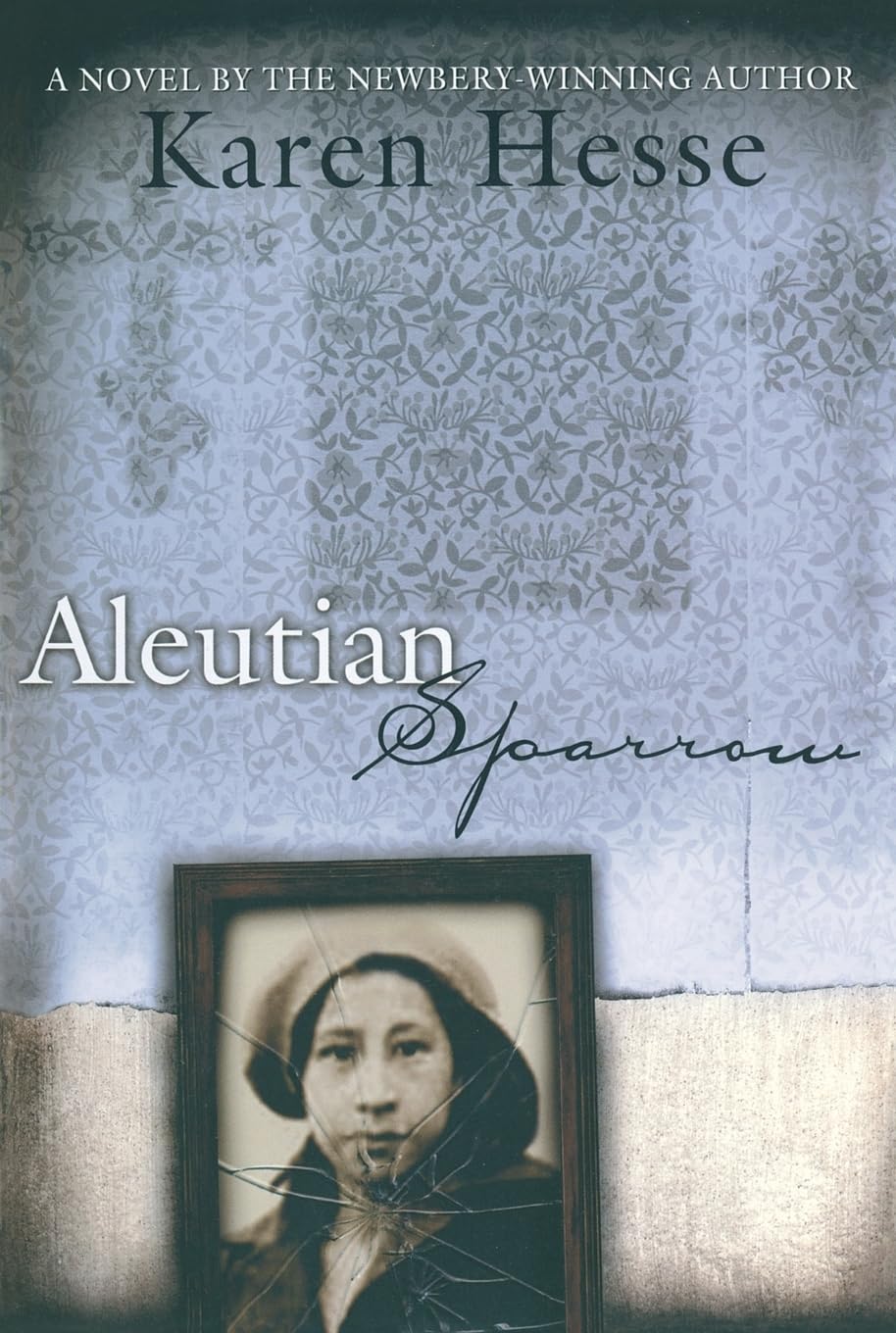



In June 1942, seven months after attacking Pearl Harbor, the Japanese navy invaded Alaska's Aleutian Islands. For nine thousand years the Aleut people had lived and thrived on these treeless, windswept lands. Within days of the first attack, the entire native population living west of Unimak Island was gathered up and evacuated to relocation centers in the dense forests of Alaska's Southeast. With resilience, compassion, and humor, the Aleuts responded to the sorrows of upheaval and dislocation. This is the story of Vera, a young Aleut caught up in the turmoil of war. It chronicles her struggles to survive and to keep community and heritage intact despite harsh conditions in an alien environment. Newbery winner Karen Hesse re-creates Cook's momentous voyage through the eyes of this remarkable boy, creating a fictional journal filled with fierce hurricanes, warring natives, and disease, as Nick discovers new lands, incredible creatures, and lifelong friends. Kashega May-June 1942 Summer in Kashega The old ones, Alexie and Fekla, they say, "Go, Vera. Go to Kashega. See your mother, your friends. It is only for the summer," they say. "Go. Nothing will happen to us." So I go, eager to visit Kashega, Riding the mail boat out of Unalaska Bay as Alexie and Fekla Golodoff, and our snug house in Unalaska village, and my photographs and books, my little skiff, And my twelve handsome chickens, All fade into the fog. What War? I arrive in Kashega. My friends Pari and Alfred squabble over me like a pair of seagulls fighting for a crab claw. My mother greets me like a stranger, with an Americanchin hug, then touches my hair. There is no sign of trouble here. We have crayon days, big and happy. The windows sparkle at night. I had forgotten how a lighted window shines without blackout paper. The Japanese They weren't always our enemy. There was a time when the Japanese sailed in and their crews played baseball with our Aleut teams. But we saw what they were up to. We warned our government about Japanese who charted our shorelines, who studied our harbors from their fishing boats. Our Japanese visitors expected always an amiable Aleut welcome. But when the hand of friendship was withdrawn, They took their measurements and made their calculations anyway. Life in Kashega In the beginning, when I first moved away to Unalaska village to live with Alexie and Fekla Golodoff, I longed for Kashega. Kashega winter, when the men trap the blue fox. Kashega summer, when they hire themselves out to take the fur seal off the Pribilofs. All the Kashega year, with the boats bringing home sweet duck and fat sea lion. Kashega autumns splash with salmon swimming into traps to become a winter of dry fish. Sometimes sheep to shear, sometimes driftwood on the beach, sometimes an odd job. And always Solomon's little store, lit by kerosene, where the men drink salmonberry wine and solve the problems of our people. Solomon's Store Zachary Solomon ran the Kashega store for ten years maybe. But when the Japanese attacked Pearl Harbor, Zachary Solomon went to war. Always a white man has run the store. But my mother took over when Zachary Solomon left. And she likes it. Hot-Spring Memory "Remember," I ask my mother, "how we visited Akutan And walked the path up into the hills, passing the boiling springs, climbing higher, to where blossoms framed the steaming pools like masses of perfumed hair? "Remember," I ask my mother, "how we waded in? Could we go again?" "Maybe," she says, never looking up, lost in the pages of Life. My Mother My mother never talks about when she was young and she did not listen to the old ways to keep a man safe. How she closed her ears to the Aleut tales. She never talks about how she met and fell in love with and married a white man, how she sent him to sea without a seal-gut coat. She never talks about the storms driving in and piling up the waves. How time after time she watched from the headlands, fighting the winds, waiting for my father's boat to come in. She never says how I waited beside her, my fist crushing the seam of her skirt. And she never, never talks about the day my father did not come home. Even the Storms Pari and I sit in the new spring grass watching a storm approach from the distance. "Have you missed Kashega?" she asks. I nod, remembering the welcoming kitchens, the Christmas star of wood and glass, The way our laughter crackled on winter nights like sugar frosting, the smell of our skin after a day gathering wildflowers in the summer hills. Pari pulls me up with both hands, and we race to her house down the mountain path, wind walls rising around us, rain filling the gray cheeks of the sky. White Orchid "Last summer," I remind Pari as we dry off in her kitchen. "Last summer you led the way, carrying the fish basket to the far side of the lake. And we gathered bulbs of white orchid." Pari says, "And Alfred's mother boiled the bulbs for us, and we ro