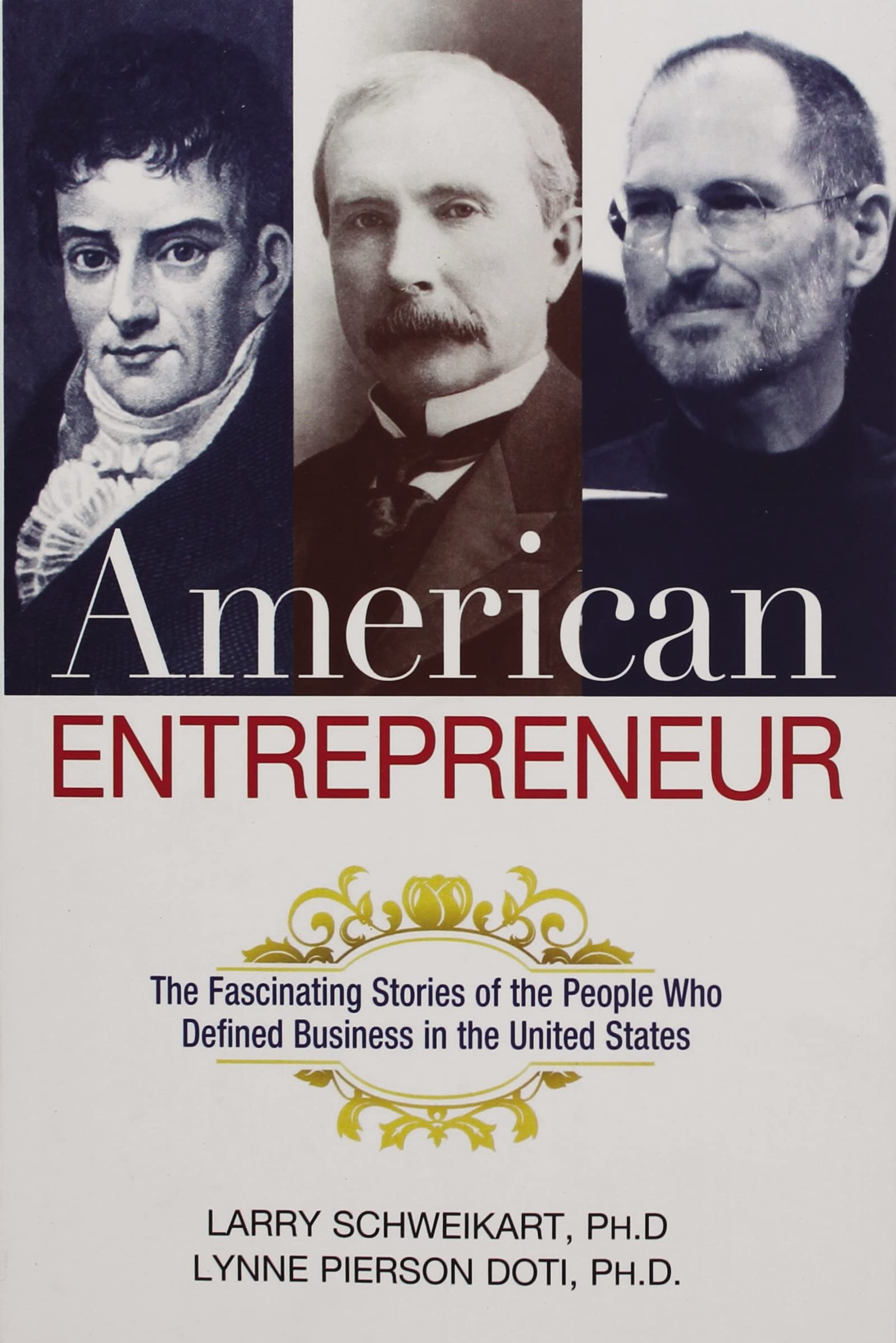
American Entrepreneur: The Fascinating Stories of the People Who Defined Business in the United States
$20.00
by Larry Schweikart



This book vividly illustrates the history of business in the United States from the point of view of the enterprising men and women who made it happen. Ever since the first colonists landed in the New World, Americans have forged ahead in their quest to make good on promises of capitalism and independence. Weaving stirring narrative with economic analysis, this historical deep dive recounts the successes and failures of some of the most iconic business people to grace our history books--from the founding of our country to the present day. In American Entrepreneur , you’ll learn about how: Eli Whitney changed the shape of the American business landscape; - the Civil War impacted the economy, and how it was renewed by the subsequent dominance of Andrew Carnegie and J. P. Morgan; - Asa Candler, W. K. Kellogg, Henry Ford, and J.C. Penney led the rise of the consumer marketplace; - and Warren Buffett’s, Michael Milken’s, and Martha Stewart’s experience in the “New Economy” in the 1990s--and how that economy continues today. It is an adventure to start a business, and the greatest risk takers in that adventure are entrepreneurs. This is the epic story of America’s entrepreneurs and how they created the economy we enjoy today. ..".offers a crash course in the history of U.S. business...you'll leave with a much better understanding of the 400 years of America's capitalist experiment." -- Forbes.com ..".provides readers with fresh insight into the past and a hopeful vision of the future." -- ForeWord Magazine "A great book to read." -- "The Entrepreneur" column by syndicated columnist Marc Kramer "A history of America told through the lens of our most innovative businessmen, AMERICAN ENTREPRENEUR, is an informative collection of biographies." -- San Francisco Book Review When the first colonists landed on America’s shores, looking for independence and a new way of life, it wasn’t long before they made a mark for themselves—not just through the establishment of an independent government, but through their efforts as businessmen in a capitalist society. Since its very first days, America has been a society of entrepreneurs, men and women who gambled everything on an idea for a product or service they believed would fulfill a want or a need in their fellow citizens, earning them a fortune in the process. From Eli Whitney’s cotton gin, to the steel and refining industries of business giants like Andrew Carnegie and John D. Rockefeller, to computer- and Internet-era entrepreneurs such as Bill Gates and Jeff Bezos, the business of America has always been business. American Entrepreneur captures the excitement and drama behind the history of business in the United States through the fascinating stories of the individuals who made it happen. With its sights set on economic freedom, free enterprise, and clear definitions of ownership, private property, and the right to acquisition, America was founded on the belief that anyone could—and should—compete in a business-centered landscape, and then reap the benefit of those rewards. But what makes an entrepreneur? Are there special characteristics common to those throughout history who have succeeded in their business ventures, often in the face of discouragement and other larger competing enterprises? American Entrepreneur examines the common—and uncommon—threads and patterns that accompany the greatest stories of the most famous and illuminating successes—and failures—of entrepreneurship in the United States. The book uncovers the backstories of the fantastic, original American business ventures whose beginnings melded risk and dedication, sometimes at great personal cost. It tells the tales of people from all walks of life and backgrounds—from Harvard MBAs to penniless immigrants—who defied any simple capsule definition of success to become the heroes of American capitalism. Drawing on economic theorists such as Adam Smith, Joseph Schumpeter, and Max Weber, and combining history with the captivating human forces behind the country’s great business enterprises, the book charts the logical yet exceptional development of our continuous capitalistic legacy. It relates the behind-the-scenes developments of Andrew Carnegie’s steel company, John D. Rockefeller’s refining business, and the banking enterprises of J. P. Morgan, moving ahead to detail the manner in which the coming Great Depression winnowed down existing businesses, while at the same time Franklin D. Roosevelt’s New Deal placed onerous burdens on those that survived. Authors Larry Schweikart and Lynne Pierson Doti explore the ways in which World War II and its aftermath affected “capitalist folk-heroes” like Andrew Jackson Higgins and Henry Kaiser, while emerging figures in such areas as fast food (Ray Kroc) and music (Berry Gordy) rose to success in the decades following. The book charts the American business renaissance of the 1980s, including the most important invention of the late 20th ce