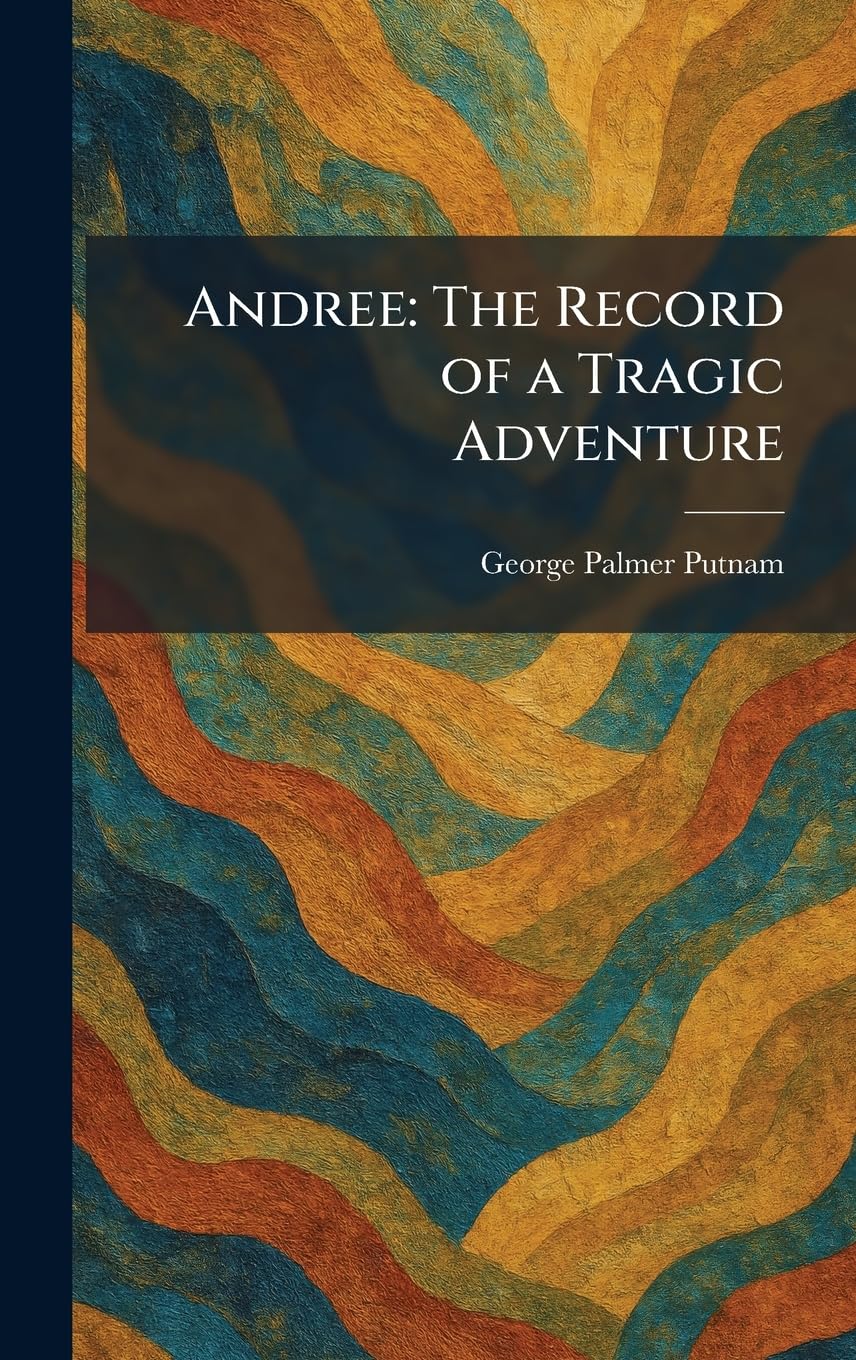



"Andree: The Record of a Tragic Adventure" provides a gripping account of one of the most mysterious and haunting chapters in the history of polar exploration. Written by George Palmer Putnam, the book chronicles the 1897 attempt by Salomon August Andrée and his two companions to reach the North Pole via hydrogen balloon. For over three decades, the fate of the "Ã-rnen" (The Eagle) and its crew remained a profound mystery, until the accidental discovery of their final camp on White Island in 1930. Drawing on the diaries and photographic records recovered from the frozen wasteland, Putnam reconstructs the harrowing journey of these three intrepid Swedes. The narrative explores the immense technical challenges, the unpredictable Arctic environment, and the psychological resilience of men facing certain death. This work serves as both a tribute to the spirit of adventure and a sobering reflection on the perils of the high North. Readers interested in Arctic history , aviation , and tales of survival will find this a definitive record of a pioneer's tragic quest for the unknown. This work has been selected by scholars as being culturally important, and is part of the knowledge base of civilization as we know it. This work was reproduced from the original artifact, and remains as true to the original work as possible. Therefore, you may see the original copyright references, library stamps (as most of these works have been housed in our most important libraries around the world), and other notations in the work. This work is in the public domain in the United States of America, and possibly other nations. Within the United States, you may freely copy and distribute this work, as no entity (individual or corporate) has a copyright on the body of the work. As a reproduction of a historical artifact, this work may contain missing or blurred pages, poor pictures, errant marks, etc. Scholars believe, and we concur, that this work is important enough to be preserved, reproduced, and made generally available to the public. We appreciate your support of the preservation process, and thank you for being an important part of keeping this knowledge alive and relevant.