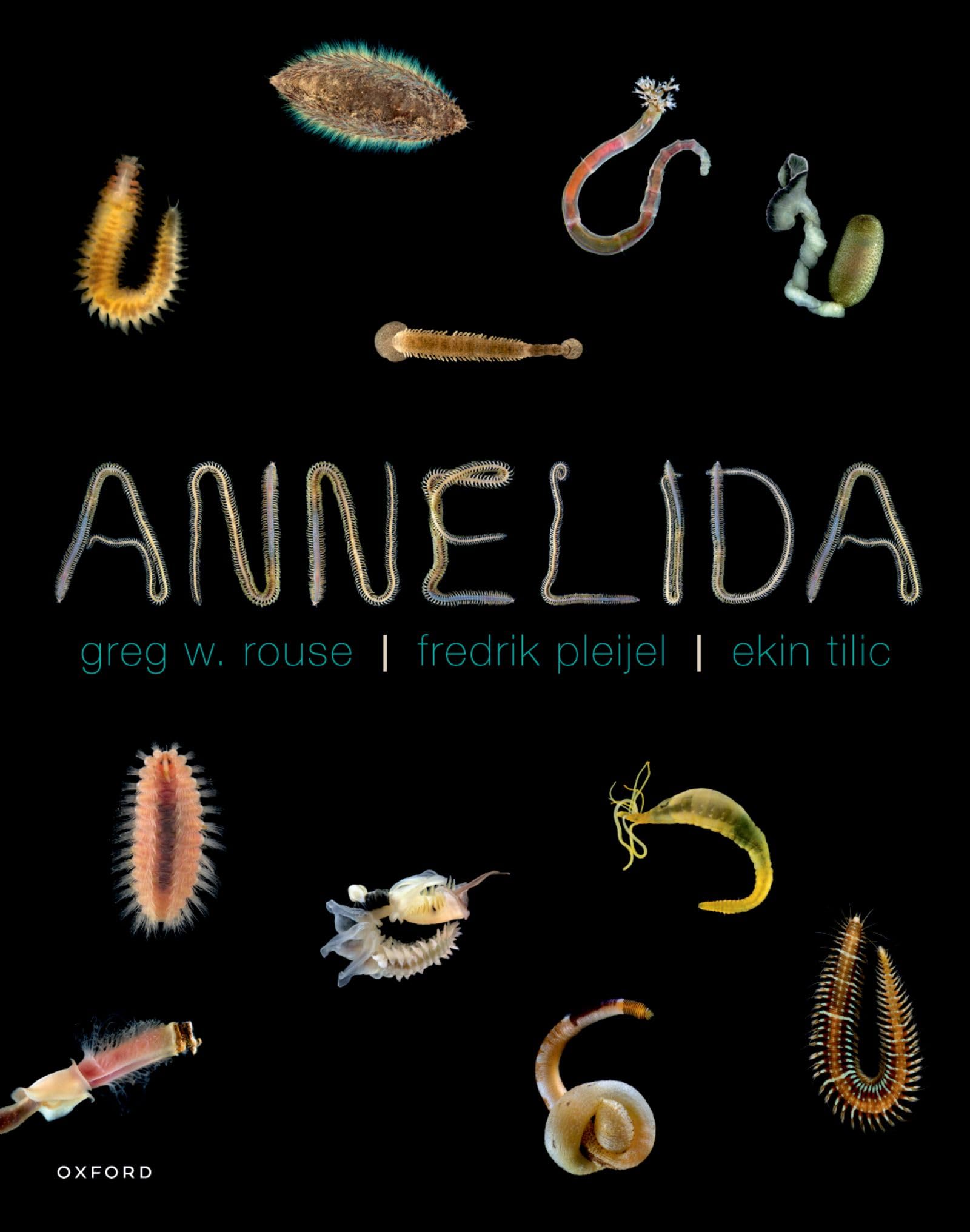



Annelids (the segmented worms) exist in a remarkably diverse range of mostly marine but also freshwater and terrestrial habitats, varying greatly in size and form. Annelida provides a fully updated and expanded taxonomic reference work which broadens the scope of the classic Polychaetes (OUP, 2001) to encompass wider groups including Clitellata (comprising more than a third of total annelid diversity), Sipuncula, and Thalassematidae (formerly Echiura). It reflects the enormous amount of research on these organisms that has burgeoned since the millennium, principally due to their use as model organisms to address wider and more general evolutionary and ecological questions. Beginning with a clear introduction to the phylum and an outline of annelid taxonomy, this authoritative text describes their collection, the methods to ensure their optimal preservation, and an overview of anatomy with its relevant terminology. The core of the work comprises 77 fully up-to-date taxonomic chapters, informed by anatomy and the latest molecular phylogenomic evidence and carefully organised based on a new, robust phylogenetic hypothesis. Lavishly illustrated throughout with hundreds of previously unpublished high-resolution colour images and SEM micrographs, the sheer beauty and diversity of the annelids is nowhere better presented. Annelida is the definitive reference work for annelid biologists, whilst being of interest to a broader audience of invertebrate zoologists, systematists, and organismal biologists. Greg Rouse, Curator, Benthic Invertebrate Collection and Professor, Marine Biology Research Division, Scripps Institution of Oceanography, University of California San Diego ,Fredrik Pleijel, Senior Researcher Tjärnö Marine Laboratory, Department of Marine Sciences, Department of Marine Sciences, University of Gothenburg ,Ekin Tilic, Curator of Marine Invertebrates at the Senckenberg Research Institute and Natural History Museum, Institute of Evolutionary Biology and Ecology, University of Bonn Greg Rouse is a Distinguished Professor of Marine Biology and is also Curator of the Benthic Invertebrate Collection at the Scripps Institution of Oceanography, University of California, San Diego, USA. He specializes in studying the biodiversity, phylogeny, and systematics of marine animals. He has been on numerous oceanographic expeditions involving deep sea habitats, including whale falls, hydrothermal vents and methane seeps and has been involved in the discovery and naming of more than 200 species, mostly annelids. Prior to joining Scripps, he held research positions at the South Australian Museum and University of Sydney, and as a research fellow (with Kristian Fauchald) at the Smithsonian Institution in Washington DC, USA. Ekin Tilic is currently serving as Curator of Marine Invertebrates at the Senckenberg Research Institute and Natural History Museum in Frankfurt, and as an Adjunct Professor at the University of Bonn, Germany. He was elected the president of the International Polychaetology Association in 2023. His academic journey includes extensive postdoctoral research focused on annelid evolution and morphology at the Institute of Evolutionary Biology, University of Bonn, at the Scripps Institution of Oceanography, University of California, San Diego and at the University of Copenhagen, Denmark. His research combines phylogenomic methods with advanced bioimaging techniques to study the evolutionary relationships and morphology of marine invertebrate taxa, particularly polychaetes. Fredrik Pleijel is a Senior Researcher at Tjärnö Marine Laboratory, Department of Marine Sciences, University of Gothenburg, Sweden. He previously held a position as curator at the Swedish Museum of Natural History, completed a post-doc working mainly on hesionid polychaetes (also with Kristian Fauchald) at the Smithsonian Institution and was formerly Senior researcher at Muséum national d'Histoire naturelle in Paris, France.