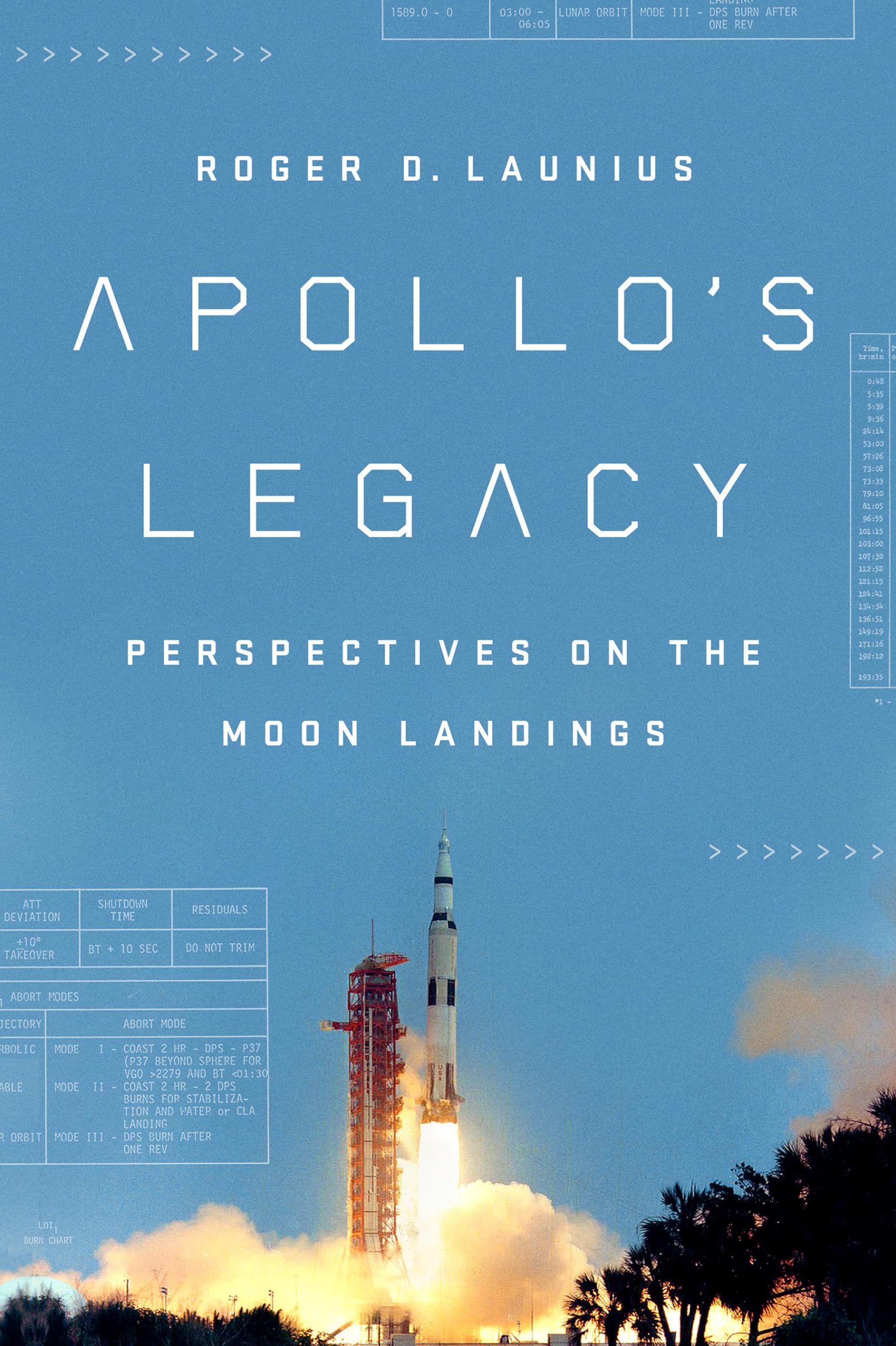



An all-encompassing look at the history and enduring impact of the Apollo space program In Apollo's Legacy , space historian Roger D. Launius explores the many-faceted stories told about the meaning of the Apollo program and how it forever altered American society. The Apollo missions marked the first time human beings left Earth's orbit and visited another world, and thus they loom large in our collective memory. Many have detailed the exciting events of the Apollo program, but Launius offers unique insight into its legacy as seen through multiple perspectives. He surveys a wide range of viewpoints and narratives, both positive and negative, surrounding the program. These include the argument that Apollo epitomizes American technological--and political--progress; technological and scientific advances garnered from the program; critiques from both sides of the political spectrum about the program's expenses; and even conspiracy theories and denials of the program's very existence. Throughout the book, Launius weaves in stories from important moments in Apollo's history to draw readers into his analysis. Apollo's Legacy is a must-read for space buffs interested in new angles on a beloved cultural moment and those seeking a historic perspective on the Apollo program. Gr 10 Up—Launius, former associate director of collections and curatorial affairs at the Smithsonian National Air and Space Museum and previously chief historian for NASA, presents a nuanced and balanced exploration of the Apollo program and its influence on modern American society, politics, and cultural identity. Each aspect of the program, from Kennedy's announcement and the technology created to the influence of lunar photography, is analyzed from positive and negative reactions at the time, the dominant narrative that emerged, and the fringe viewpoints. Throughout the book, Launius describes references to Apollo found in political cartoons, movies, TV shows, and other media to illustrate the prevalence of the moon landing in popular culture and how the various perceptions of the mission have endured or changed over time. Each chapter is relatively self contained, reading like an essay centered around a theme. If an example is used in more than one chapter, such as the film Apollo 13 in "The Most Powerful Technology Ever Conceived" and "Apollo and the Religion of Spaceflight," brief context is provided. This makes individual chapters suitable for classroom use but makes reading the overall work feel repetitive. Back matter includes notes, an annotated bibliography, and index. VERDICT An excellent resource, recommended for classroom use and most high school libraries.—Kacy Helwick, New Orleans Public Library "As Launius analyzes critiques of the Moon landings and discusses Moon-landing denialism, he uses key moments in the space race to illustrate his analysis." — American Scientist "Space Age aficionados, political junkies, and general readers will find both the unexpected and the fascinating in Launius’s scrupulously researched account." — Publishers Weekly, starred review "The book also provides extensive background material on the space program, both from within NASA and from outside observers, as well as a useful annotated bibliography for those who want to do their own research. A valuable summary of an important piece of modern history and its effects and a must-read for space enthusiasts." — Kirkus Reviews "Launius' insightful cultural analysis of all that Apollo has signified helps celebrate the first lunar landing's 50th anniversary." — Booklist "How do we understand a transformative event like the Apollo missions to the moon? Many present it as proof of American ingenuity and success, but there's much more to the story. In Apollo's Legacy: Perspectives on the Moon Landings , space historian Roger Launius probes the impacts Apollo had technologically, scientifically and politically, as well as analyzing what we can draw from it to understand the country's modern space program. The slim volume is written as a scholarly text, but it's accessible to anybody with an interest in space history and the circumstances that spawned Apollo." — Space.com "Roger D. Launius’s Apollo’s Legacy is a masterly written and impeccably researched overview of the Cold War space race between the United States and the Soviet Union. Nobody knows NASA history with the insight and exactitude of Launius. Every page brims with fresh insights. Highly recommended!" —Douglas Brinkley, Katherine Tsanoff Brown Chair in Humanities and Professor of History, Rice University and author of American Moonshot: John F. Kennedy and the Great Space Race "An incredibly inspiring and well-researched story of the origins and accomplishments of the Apollo program, Launius’s Apollo’s Legacy is a superb tutorial for all of us who consider ourselves to be strong proponents of human exploration of the Moon and Mars. Replete with previously untold bac