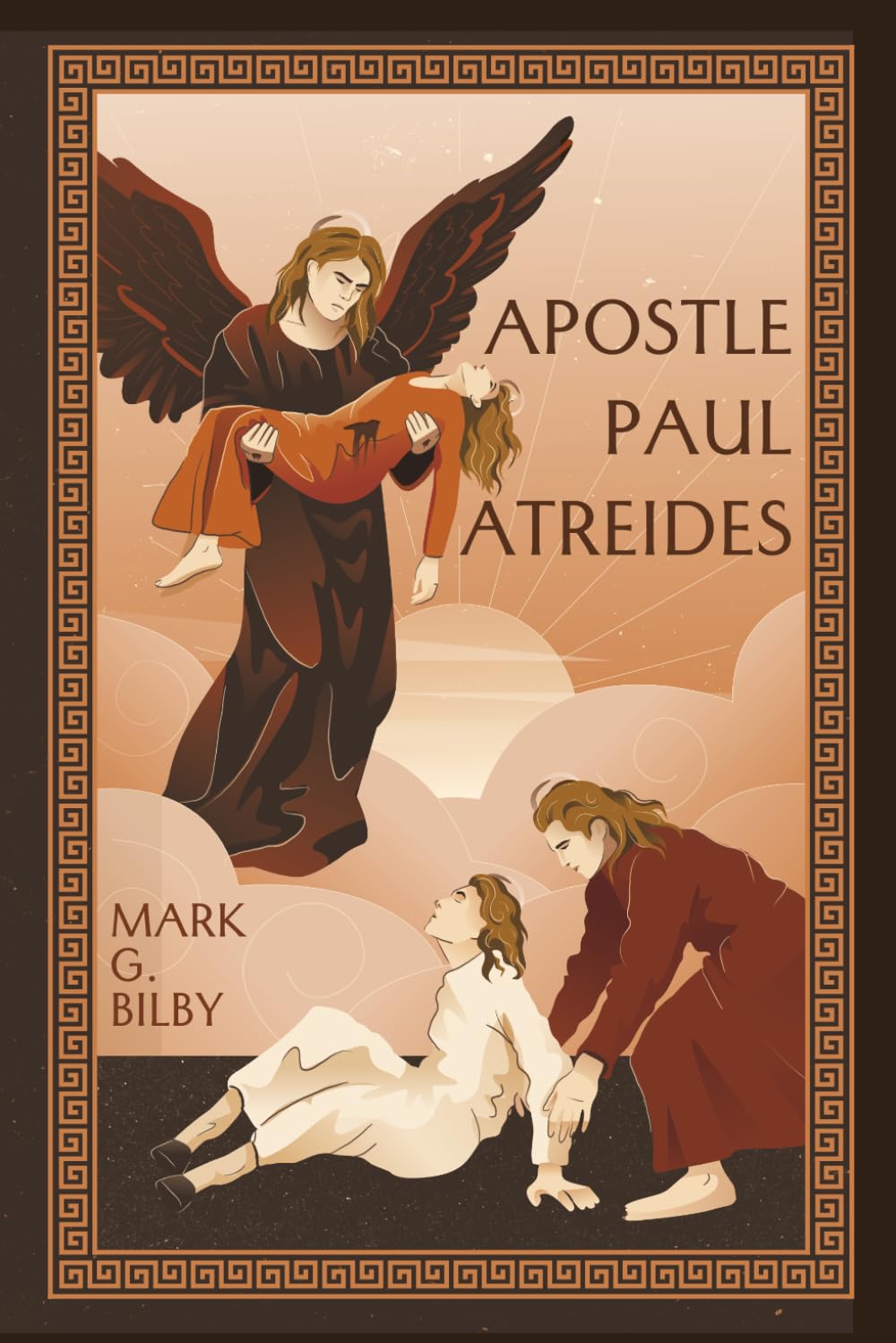



The paperback edition has only monochrome images. The hardback edition has full color images. This is the first work ever published to show that the classical Greek myths of Orestes, Iphigenia, and Electra profoundly shaped the character portraits of Jesus, Mary, Zechariah, Stephen, and Paul (and Paul's various companions and opponents) in the New Testament books of Luke and Acts, and closely related early Christian literature. Building on ten years of completely original research, the work features generous quotations and fresh, expert translation of the Greek primary sources throughout. Highly relevant works of art complement and bolster the arguments of nearly every chapter. The table of contents and brief description of each chapter follows. 1. Ancient Dramas & Modern Movies Overview of plays of Aeschylus, Sophocles, & Euripides on House Atreides (Iphigenia, Electra, Orestes, and their parents, Agamemnon and Clytemnestra), and their influence on movies like Star Wars, Indiana Jones, Dune, and others. 2. Epic Reunions & Dramatic Returns The Emmaus Road story (Luke 24:13-35) enacts a miniature retelling of Euripides' Iphigenia at Taurica. 3. Echoing Oracles & Movable Festivals The opening chapters of Acts recall the connection of Orestes with Delphi and his paradigmatic role in "Greek messianism." 4. Hellenic Crowns & Regicide Robes The character and death of Stephen / "Crown" evoke Orestes royal mythology, and the introduction of the murderous Saul with "robes at his feet" evokes Clytemnestra's entrapment and murder of Agamemnon. 5. Chasing Rancour & Breathing Murder A comprehensive statistical analysis of the phrase, "breathing threat and murder" (Acts 9:1), shows it be to a clear echo of the Furies pursuing Orestes. 6. Flying Carcass & Blinding Madness Saul being struck blind by the heavenly Christ after the murder of Stephen retells the famous story of Orestes being blinded by the Furies in revenge for his murder of his mother, Clytemnestra. 7. Leading Hands & Healing Bands Ananias of Damascus plays the role of Pylades and Electra welcoming, tending, and healing Orestes. 8. Lethal Compacts & Narrow Escapes Murder conspiracies against Saul, and his narrow escapes from them, echo Atreidean murder plots and related narrow escapes. 9. Chthonic Vengeance & Heav'nly Justice The trial of Paul on the Areopagus in Athens restages the famous, foundational trial of Orestes on the Areopagus. 10. Barbaric Riots & Symbolic Rites Paul provoking riots in Philippi and especially Ephesus are satirized, miniature retellings of Iphigenia at Taurica. 11. Temples Cursed & Votives Cleansed Paul's head-shaving in Cenchreae, aborted Nazirite vow, and riot provocation in Jerusalem recall Orestean temple profanation, purification from murder, and rites of passage into adulthood. 12. Binding Heroes & Loosing Captives Saul's mission to "bind" early Christians and karmic reversals to be bound by his opponents, all recall famous traditions of the Furies binding Orestes and Orestes and Pylades being bound. 13. Canonical Sequels & Apocryphal Prequels The infancy narrative in Luke 1-2 and the Protoevangelium of James, the fable of the Prodigal Son, the Passion and Ascension of Jesus, and the Acts of Paul and Thecla all evoke numerous themes and characterizations associated with House Atreides. 14. Historical Quarries & Hysterical Quests Reflections on the historical value of the canonical Acts of the Apostles and its portrayal of Paul, with an eye to ancient and modern Jewish-Christian relations. This book is the fruit of ten years of research into Iphigenia, Orestes, and Electra myths and their influence on early Christianity, especially on the New Testament Acts of the Apostles and Gospel of Luke. Several chapters are substantive expansions of presentations given at academic conferences, including regional, national, and international Society of Biblical Literature, as well as the Celtic Conference in Classics held in Coimbra, Portugal. It complements the work of other Mimesis Critical scholars such as Dennis MacDonald, Courtney Friesen, and Michael Kochenash, while also taking cues from the expert work of the Classicists Edith Hall and Anna Lefteratou, both experts on the reception of Iphigenia mythology. The book argues that House Atreides (Iphigenia, Orestes, and Electra, and their parents Agamemnon and Clytemnestra) are arguably the most influential Greek mythical models for the portrayal of several characters in Luke-Acts, including Jesus, Mary his mother, and the Apostle Paul and his companions.