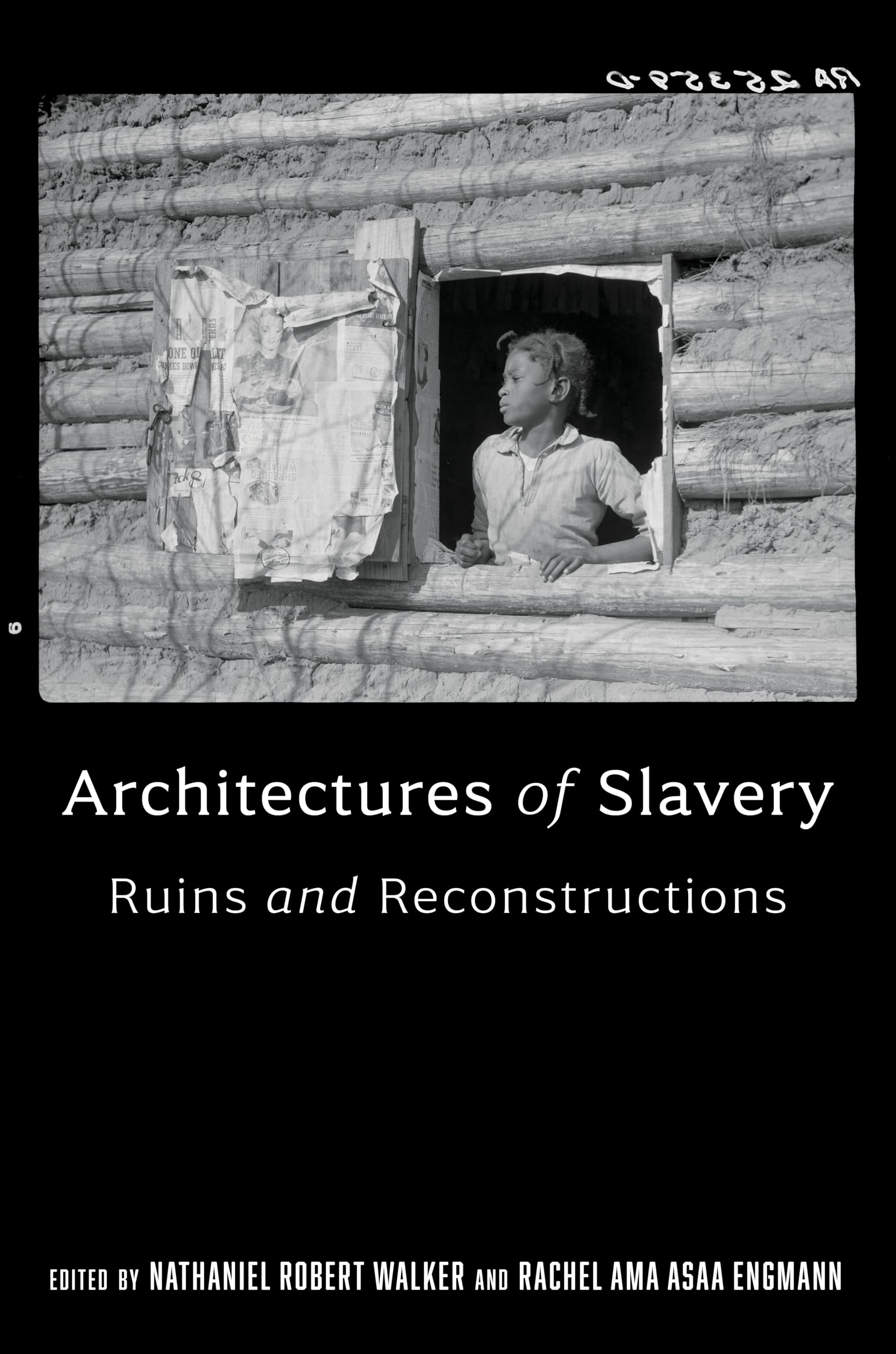
Architectures of Slavery: Ruins and Reconstructions (Race, Place, and Justice)
$41.60
by Nathaniel Robert Walker



The material legacies of slavery across the Atlantic world Atlantic slavery has bequeathed architectural legacies from the plantation ruins that fill the valleys of Cuba to the servant’s quarters of middle-class apartment housing in Brazil; from picturesque New England waterfronts to the modernist ranch-house suburbs of Savannah; and from the castle-studded coastline of Ghana to steel-framed commercial high-rises in South Carolina. The stories of these places are woven together by historical threads stretched across the past five hundred years, connecting them first through empire and forced migration, then by modern economic development and heritage tourism. Architectures of Slavery brings new clarity and critical insight to these visible injustices that still haunt so many societies in the Atlantic world, empowering its people to build more democratic and just places in the future. The breadth and variety of the essays are as impressive as they are instructive. There are no books or edited volumes that deal with such a variety of architectures-buildings, towns, landscapes. Architectures of Slavery pushes forward the awareness of architecture as a determining force in human relationships.? Clifton Ellis, Texas Tech University, coeditor of Slavery in the City: Architecture and Landscapes of Urban Slavery in North America The breadth and variety of the essays are as impressive as they are instructive. There are no books or edited volumes that deal with such a variety of architectures—buildings, towns, landscapes. Architectures of Slavery pushes forward the awareness of architecture as a determining force in human relationships.― Clifton Ellis, Texas Tech University, coeditor of Slavery in the City: Architecture and Landscapes of Urban Slavery in North America Nathaniel Robert Walker is Associate Professor of Architectural History at the Catholic University of America and coeditor of Suffragette City: Women, Politics, and the Built Environment . Rachel Ama Asaa Engmann is Director of the Christiansborg Archaeological Heritage Project in Ghana and editor of Timbuktu Unbound: Islamic Texts, Textual Traditions, and Heritage in West Africa .