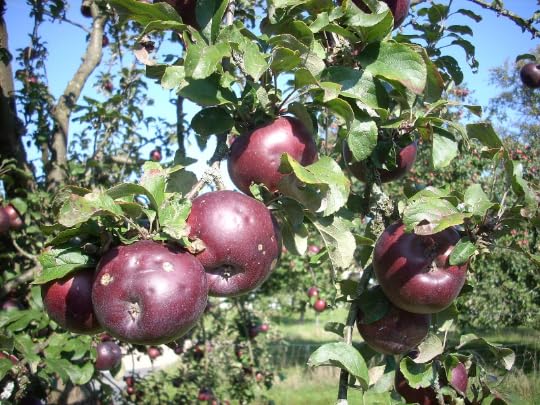
Arkansas Black Apple Trees Bareroot 2-3 feet tall-Crisp, Juicy Fruit- Ideal for Regions with Cold Winters!! (2)
$38.81
by Daylily Nursery



The of Arkansas Black Apples flesh is yellow, fine grained, crisp, juicy, and aromatic, while the skin is waxy, dark red to black, ripens in October and commonly used as fresh fruit to eat and in pies or cobblers. As time passes, some say hints of cinnamon, coriander, cherry, and even anise blossom out. The apple is surprisingly dense for its size and is certainly quite hefty. Arkansas Black Apple Trees thrive in USDA hardiness zones 5-8. These trees require a chilling period during winter to produce fruit successfully, making them well-suited for regions with cold winters. This item ships as a bareroot tree The Arkansas Black Apple Tree (Malus domestica 'Arkansas Black') is a remarkable deciduous fruit tree known for its crisp, sweet-tart apples and striking deep red to almost black skin. Ideal for home orchards, this heirloom variety thrives in USDA planting zones 5-8, displaying resilience to colder temperatures. Planting and Growing Guide: Planting Time: Choose a sunny location with well-drained soil, and plant Arkansas Black Apple Trees in late winter to early spring before new growth begins. Soil Preparation: Ensure the soil is fertile, loamy, and slightly acidic. Amend the soil with organic matter to enhance drainage and nutrient content. Planting Technique: Dig a hole twice the width of the root system and place the tree in the center. Spread the roots and backfill with soil, ensuring the graft union is above ground. Watering: Provide consistent moisture, especially during the first year. Deep watering is crucial to establish a robust root system. Fertilization: Apply a balanced fertilizer in spring and again in early summer. Follow recommended rates based on the tree's age and size. Mulching: Mulch around the base of the tree to conserve moisture, suppress weeds, and regulate soil temperature. Pruning and Care Instructions: Training Young Trees: Shape the tree during the first few years to encourage a strong scaffold structure. Prune away competing branches and inward-facing growth. Annual Pruning: Conduct annual pruning during late winter to remove dead or diseased wood, thin crowded branches, and maintain an open canopy for sunlight penetration. Thinning Fruit: Thin the fruit in late spring to ensure larger, higher-quality apples. Remove excess fruit to prevent limb damage and promote better airflow. Disease and Pest Control: Monitor for common apple pests like aphids and apple scab. Apply appropriate treatments if necessary, using organic or chemical options. Winter Protection: In colder climates, wrap the trunk with protective material to prevent damage