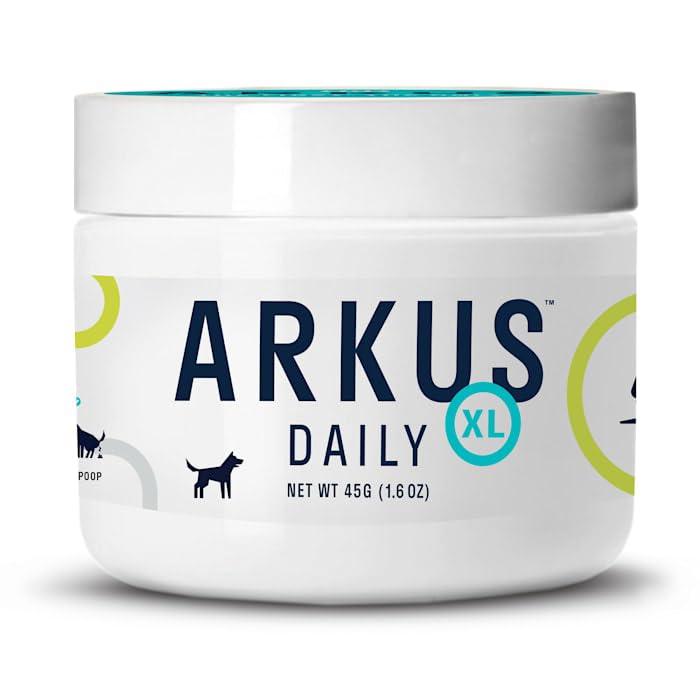
Arkus Daily Large/X-Large Dog Probiotic, the Only Product Made with Microbes Native to the Gut of Healthy Dogs, Supports Better Digestion, Gut Health,
$64.99
by ARKUS Daily



ARKUS Daily is a unique supplement that helps dogs maintain a healthy microbiome. The product includes beneficial live microbes sourced directly from healthy dogs. It's the same formula as Arkus Daily, just twice the size! The live microbes in Arkus: Peptacetobacter hiranonis - supports better gut health; Megamonis funiformis - supports better digestion; Enterococcus faecium - supports a strong immune system. Peptacetobacter hiranonis and Megamonis funiformis can't be found in any other dog product Arkus also supports a reduction in gas, poops with solid consistency, a shinier coat, and a more energetic, fit and happy dog Only 5 natural ingredients; quality tested; no harmful chemicals; proudly made in the USA; non-GMO; steroid-free; gluten-free; soy-free ARKUS Daily 30ct Large/X-Large Dog Dog Probiotic is way more than a dog probiotic supplement. It's a revolutionary feat in microbiology. We've found a way to isolate beneficial microbes from healthy dogs, and feed them back to your pooch. Each microbe was carefully selected based on the vital role it serves in helping your dog maintain a healthy microbiome. Get to know the live, native microbes in ARKUS Daily: Peptacetobacter hiranonis: This strain performs bile acid 7α-dehydroxylation - this is a chemical modification of primary bile acids produced by your dog’s liver into physiologically crucial secondary bile acids. These secondary bile acids are how bacteria communicate with each other in the dense ecosystem of the mammalian gut. At least nine, independent, peer reviewed studies have correlated a lack of P. hiranonis with canine GI problems. Megamonas funiformis: This strain was discovered in 2008, and has since been identified as a native canine gut organism in healthy dogs. M. funiformis readily ferments glucose into the short chain fatty acids propionate and acetate, which directly stimulate the canine smooth muscle tissue in the intestine to improve digestion. Megamonas also creates carnitine which may help protect your canine from leaky-gut. Enterococcus faecium: E. faecium can bind to mucosal surfaces in the intestine and outcompete pathogens leading to reduced pathogenic load after as little as one week of probiotic use. E. faecium has also been shown to reduce the severity of diarrhea in shelter animals. Dogs fed a daily probiotic of E. faecium had higher fecal IgA levels and a higher proportion of mature B cells; in other words, daily dosing with this commensal bacteria creates a more robust immune system.