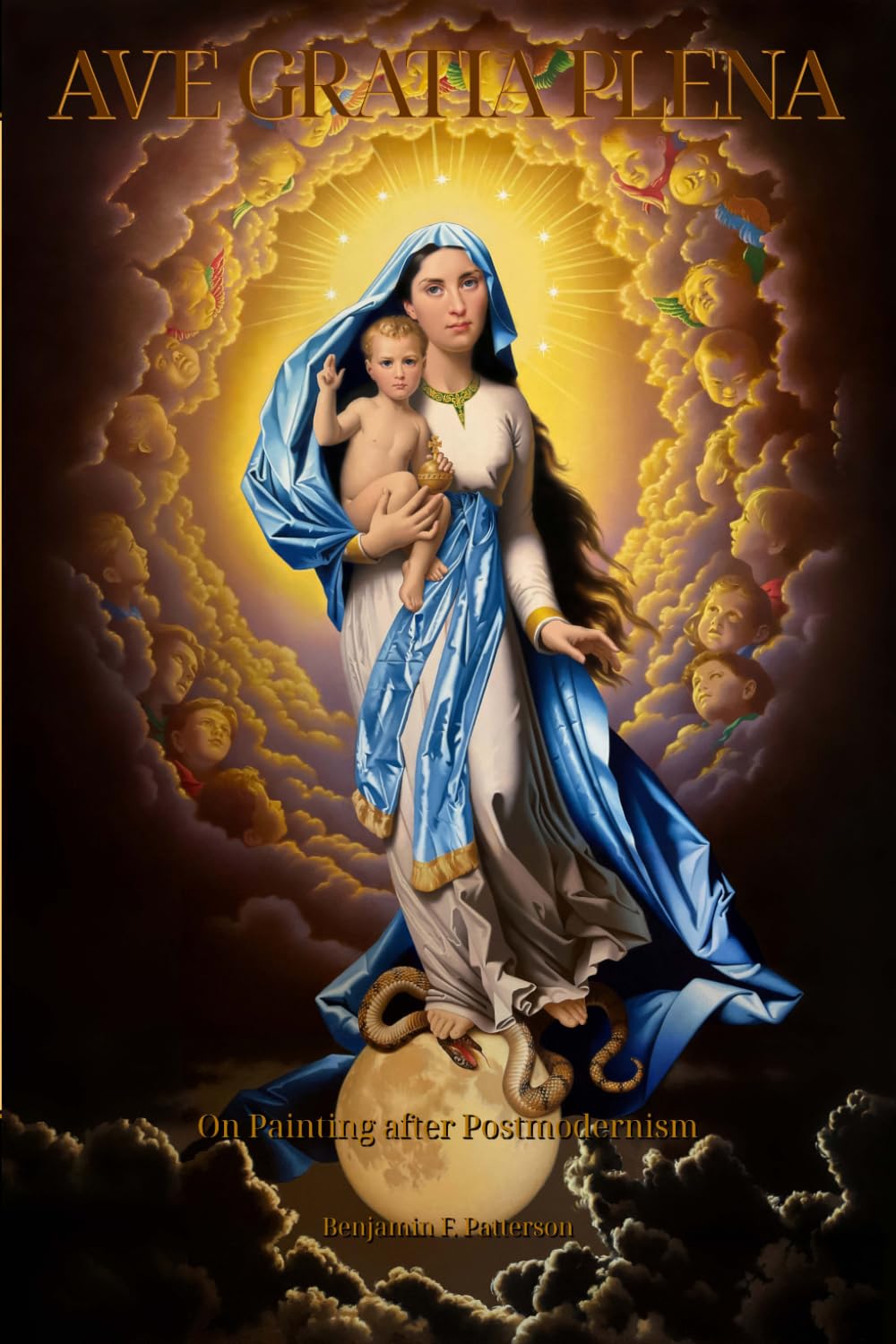



After a century in decline, there has been a resurgence of classical training in the art of painting. Modernism and postmodernism have run their course, and artists have now begun to retrace their steps in search of another path forward, which begs the question: what of spiritual or historical seriousness can be done with the ancestral craft of painting today when modernism has brought the history of art to a close and postmodernism has seemingly foreclosed any prospect of reopening it? The answer is clear. If the restoration of the art of painting is to have any greater significance, then it must portend the restoration of society, just as modern art was the harbinger of society’s present abandonment to a disordered way of life and a distorted view of reality. The artist of tradition has a vocation to stand apart from the contemporary world and to be a voice of spiritual transcendence and humane critique, particularly by making liturgical art. To make this argument requires telling a story about art history. In Part One, the roots of Renaissance art are traced across several developments of the High Middle Ages, including the mendicant movement, medieval Aristotelianism, and Petrarchan humanism. In Part Two, the causes of art’s death in the early to mid-20th century are investigated, with a focus on Romanticism and the Enlightenment. In Part Three, the present revival of the ancestral craft of painting is situated in its historical context, and some works of contemporary academic painting are presented as a model for what artists ought to be doing today.