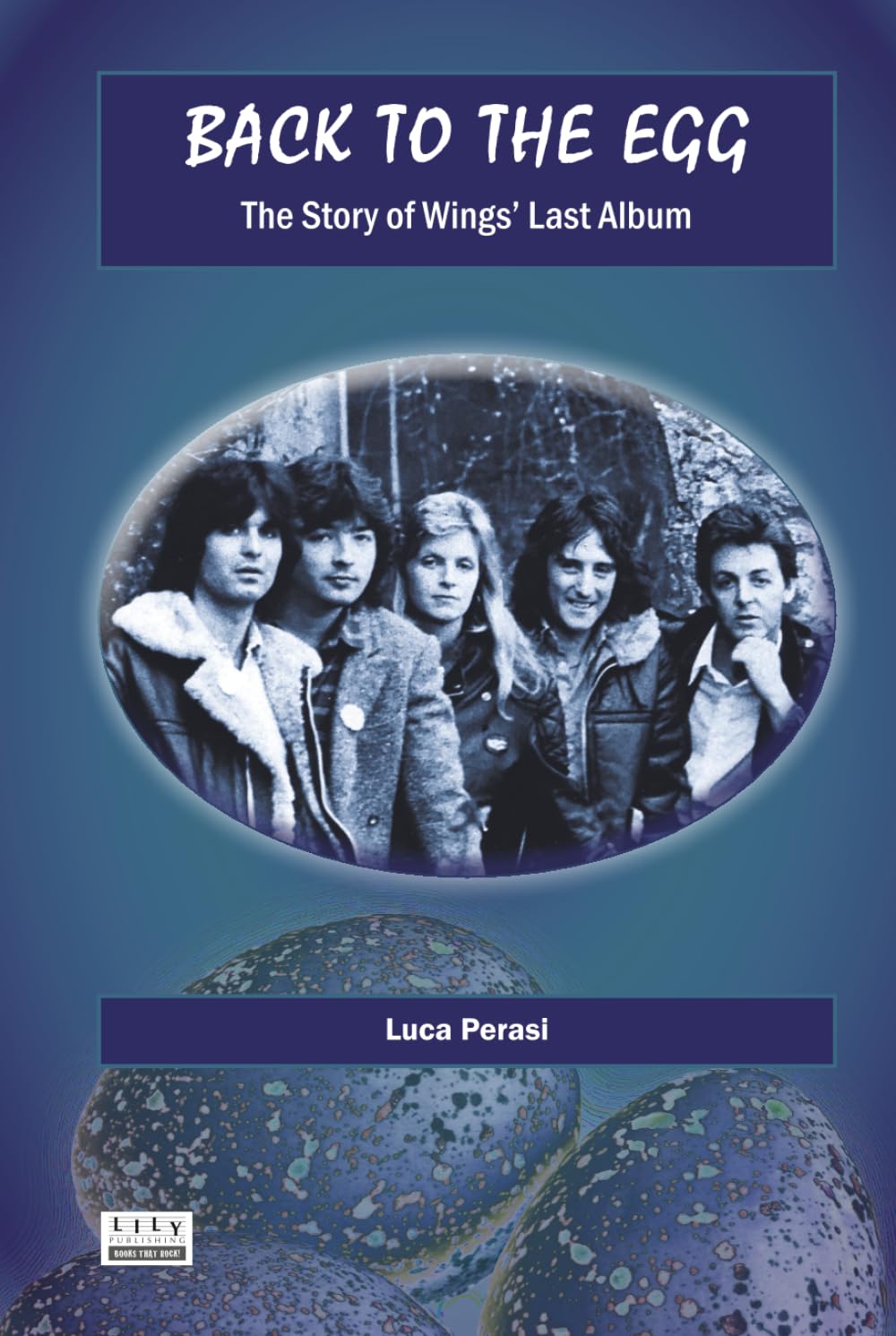



Back to the Egg , which went down in history as Wings’ last album (though it was not intended to be so) and which was released in June 1979, when new wave was increasingly dominating the music scene, is an emblematic case within Paul McCartney’s discography, due to the contradictions that marked its genesis, its conception and its release. The album, which promised a new dawn for McCartney’s band, actually turned out to be Wings’ swansong. The change in style attempted by McCartney for his music, due to the background of the new musicians that had recently joined Wings, the choice of Chris Thomas as co-producer but also external factors such as the pressure applied by Columbia (with which Paul signed “the most lucrative contract ever”), resulted in a record in line with the current scene, but also in a kaleidoscope of musical genres with a high level of experimentation, confirming the elasticity of its author’s catalogue. Punk and new-wave rock; R&B-soul, music hall and folk; echoes of classical music, avant-garde sounds, gospel and metal, they are all part of Back to the Egg, which earned the band a well-deserved Grammy Award with the Rockestra supergroup experiment. Enriched by coloured images and photos (including some from the personal archive of Laurence Juber), the volume Back to the Egg. The Story of Wings’ Last Album tells the story of one of McCartney’s most revered albums and periods (1978–80). In its detailed account of the album’s creation and analysis of its songs, based on contemporary sources and in-depth interviews by the author with Wings members Laurence Juber and Steve Holley or key figures such as Steve Howard, Martyn Ford, Phil Thornalley and Kenney Jones , the book guides readers through the elements that make this record unique (the many eccentric locations used, the recording equipment and tricks, the instrumentation). The volume covers the timeline of the sessions, the stories behind the songs of the album (including “Did We Meet Somewhere Before?” and “Same Time, Next Year” – both intended as film themes but rejected – unreleased material and the single “Goodnight Tonight”), their harmonic and rhythmic inventions, lyrical analysis, and the Wings’ British Tour 1979. Th e many steps that led to the dissolution of Wings are also explored, including the McCartney II sessions, the unfortunate Japan 1980 incident and Paul’s decision to make Tug of War a solo album. A fascinating insight into an album that has undergone a complete re-evaluation over the decades, and into the final days of Wings.