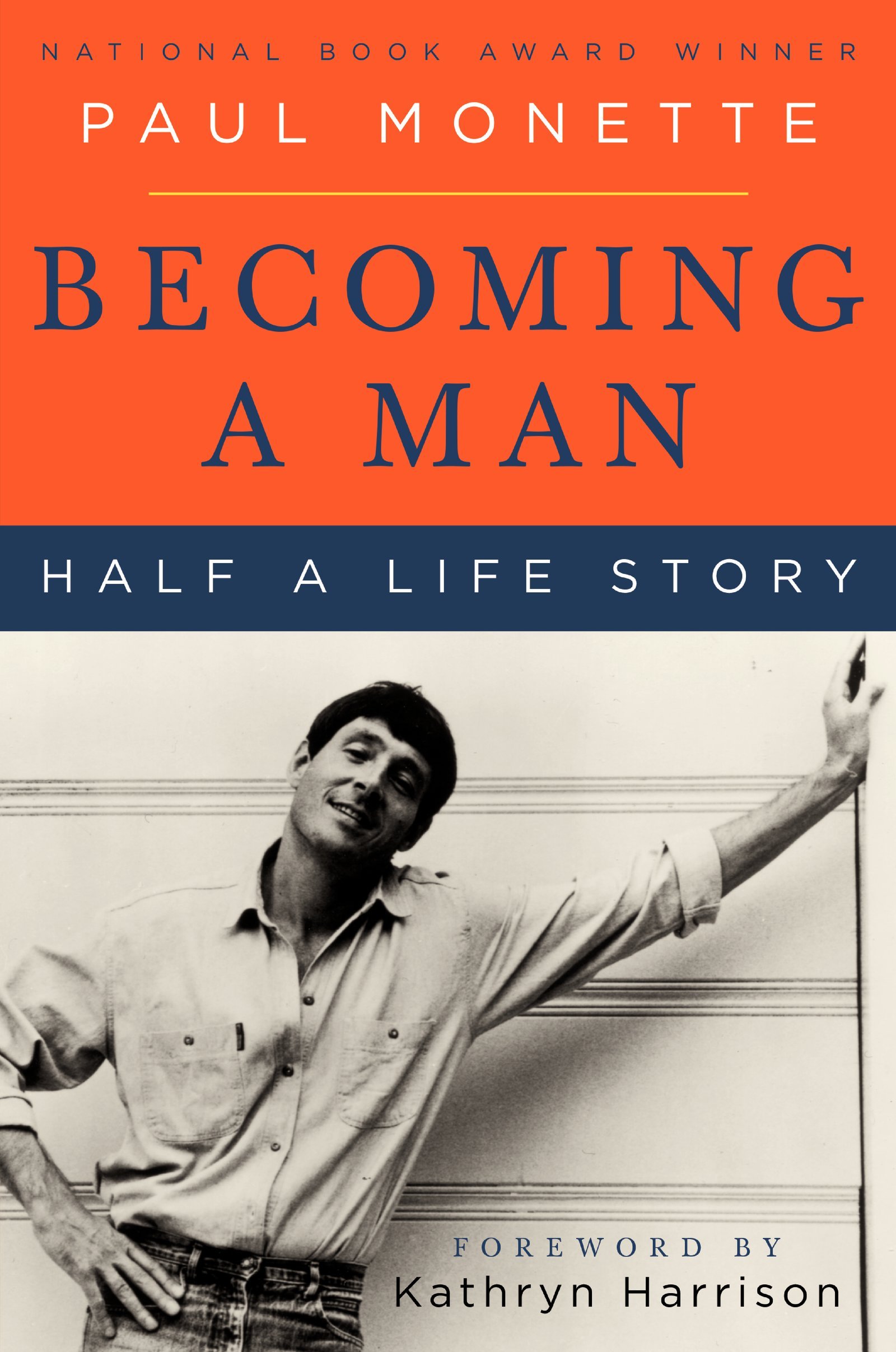
Becoming a Man: Half a Life Story – The Definitive National Book Award-Winning Memoir of Coming Out and Love (Perennial Classics)
$11.71
by Paul Monette



The National Book Award winning memoir with a new foreword by Kathryn Harrison, author of The Kiss. “Fiercely committed to bequeathing a map of his psychic terrain, to spare others the pain of his solitary journey, [Monette’s] fine memoir is affirmative and ultimately celebratory.” — New York Times Book Review A child of the 1950s from a small New England town, “perfect Paul” earns straight A’s and scholarships and shines in social and literary pursuits, all the while keeping a secret—from himself and the rest of the world. Struggling to be or at least to imitate a straight man, through Ivy League halls of privilege and bohemian travels abroad, loveless intimacy, and unrequited passion, Paul Monette was haunted, and finally saved, by a dream—“The thing I’d never even seen: two men in love and laughing.” This searingly honest, witty, and humane merging of memoir and manifesto has become the definitive coming out story—and a classic of the coming-of-age genre. It was awarded the 1992 National Book Award for nonfiction. “Everyone can learn something about courage and self-discovery from Becoming a Man.” - San Francisco Chronicle “Fiercely committed to bequeathing a map of his psychic terrain, to spare others the pain of his solitary journey, [Monette’s] fine memoir is affirmative and ultimately celebratory.” - New York Times Book Review “Monette’s interior life, his ghosts, his turmoil, his final peace -- in Becoming a Man, they have become our literature.” - --David Ebershoff, author of Pasadena and The Danish Girl “Beautifully written…a heartfelt illumination of how a gay person overcame the self-reproach that societal condemnation enacts.” - Publishers Weekly “A poignant, bittersweet memoir….Each stage of [Monette’s] personal journey is described at an intimate, insightful, human level.” - Library Journal “Remarkable…unsparingly observed and beautifully written….The power of this riveting book is in part the application of Monette’s acute intelligence, his ceaseless observation and his cagey wit to a simple, impossible problem. American culture demanded of Paul―as it still demands of lesbian and gay youth―that he be the one thing he could not be: straight….Thrilling and painful for those of us who know firsthand what he is talking about. For those who have been unaware, this is a necessary book.” - Los Angeles Times Book Review A child of the 1950s from a small New England town, "perfect Paul" earns straight A's and shines in social and literary pursuits, all the while keeping a secret—from himself and the rest of the world. Struggling to be, or at least to imitate, a straight man, through Ivy League halls of privilege and bohemian travels abroad, loveless intimacy and unrequited passion, Paul Monette was haunted, and finally saved, by a dream of "the thing I'd never even seen: two men in love and laughing." Searingly honest, witty, and humane, Becoming a Man is the definitive coming-out story in the classic coming-of-age genre. Paul Monette (1945-1995) is the author of many books, including seven novels, four volumes of poetry, and several highly praised nonfiction works, such as Borrowed Time: An AIDS Memoir . In 1992, he received the National Book Award for Becoming a Man . He died of AIDS complications in 1995. Becoming a Man Half a Life Story By Monette, Paul Perennial ISBN: 0060595647 Chapter One Everybody else had a childhood, for one thing-where they were coaxed and coached and taught all the shorthand. Or that's how it always seemed to me, eavesdropping my way through twenty-five years, filling in the stories of straight men's lives. First they had their shining boyhood, which made them strong and psyched them up for the leap across the chasm to adolescence, where the real rites of manhood began. I grilled them about it whenever I could, slipping the casual question in while I did their Latin homework for them, sprawled on the lawn at Andover under the reeling elms. And every year they leaped further ahead, leaving me in the dust with all my doors closed, and each with a new and better deadbolt. Until I was twenty-five, I was the only man I knew who had no story at all. I'd long since accepted the fact that nothing had ever happened to me and nothing ever would. That's how the closet feels, once you've made your nest in it and learned to call it home. Self-pity becomes your oxygen. I speak for no one else here, if only because I don't want to saddle the women and men of my tribe with the lead weight of myself-hatred, the particular doorless room of my internal exile. Yet I've come to learn that all our stories add up to the same imprisonment. The self-delusion of uniqueness. The festering pretense that we are the same as they are. The gutting of all our passions till we are a bunch of eunuchs, our zones of pleasure in enemy hands. Most of all, the ventriloquism, the learning how to pass for straight. Such obedient slaves we make, with such very tidy rooms. Forty-six now an