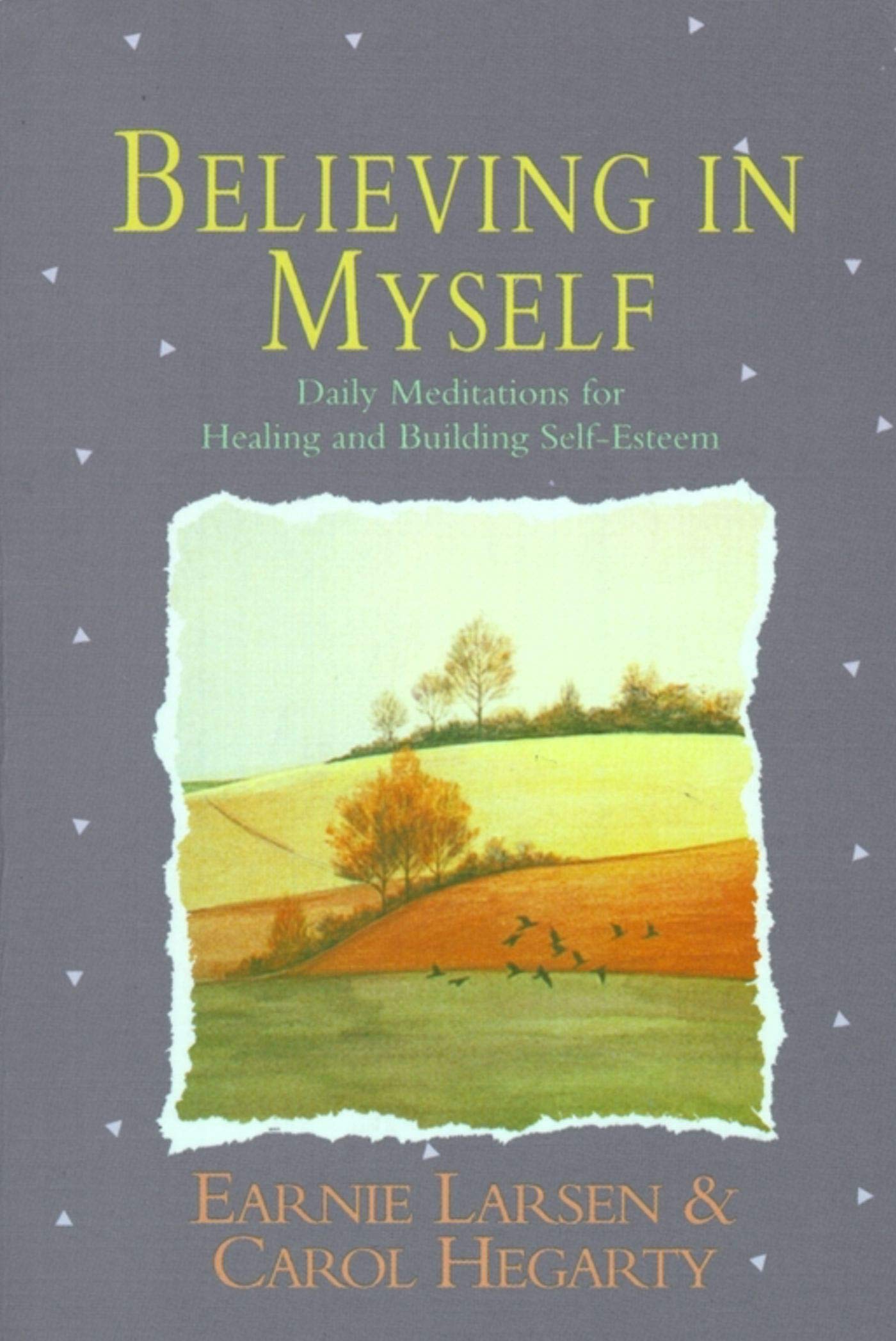



This enlightening book from a pioneer in the field of recovery presents a daily meditation for every day of the year, complete with an inspirational quote and a thought-for-the-day. Believing in Myself is a must read for anyone struggling with self-esteem issues. A solid sense of self-worth is the single most important factor in determining our happiness in life and our success in work and relationships. With it, virtually all things are possible; without it, even victories can feel like defeats. Raising low self-esteem is an essential part of the healing process for those who are recovering from addictions and dependencies—and for anyone who still feels the pain of childhood traumas or other emotional wounds. This book tackles important subjects such as: why self-esteem seems so fragile, how to define ourselves in terms of our own standards and values, why attitude is so important when we make mistakes, the difference between conceit and self-approval, how self-doubt triggers unattractive behaviors, and how self-esteem blooms when we have a sense of purpose in life. Earnie Larsen is the author of Stage II Recovery and Stage II Relationships, and coauthor with his sister Carol Hegarty of Days of Healing, Days of Joy. Chapter 1 January 1 Even though time be real, to realize the unimportance of time is the gate of wisdom. Bertrand Russell Most of us measure the realities of life by time. Without our even being aware of it, the context of time directs, defines, channels, and limits most of our thought patterns. Concepts like past, present, and future divide our lives as neatly as three acts divide a play: One begins where the other ends, until the play is finished. That is the outer world. But clock ticks and calendar pages don't control the action in the inner world. As we develop the inner awareness that develops self-esteem, we get in touch with a different reality. In the kingdom of our own minds and hearts we discover a self that is neither old nor young, neither beginning nor ending, but just being. In this world there is no such thing as before or after, on time or late. There is only the peace and serenity of now -- the now that was, is, and will be. The healthiest people have dual citizenship: They live in both worlds. When they are saddened that some prized and precious time is passing by, they are also comforted by knowing that the richness of human experience is timeless. All that was good lives on in the inner world -- not lost, not wasted, not past. In the soul there is only the eternal present. Soul making has nothing to do with time as the world measures it. January 2 Many fears are born of fatigue and loneliness. "The Desiderata" Self-esteem is not static. Within boundaries, depending on the ebb and flow of the tide of our lives, our sense of well-being naturally fluctuates. Many of our low points, however, have not so much to do with a particular problem as they do with the state of mind we bring to that problem. We may not always have control over certain fears. If we were once badly burned, for example, we may always have a residual overreaction to fire -- and there are, of course, many kinds of fire. But we do have control over the fatigue and loneliness that set us up for fear attacks. Of all the efforts we may make to bolster self-esteem, avoiding such fatigue and loneliness may be the most important. Is it always necessary to work as hard as we do? Can we never take a break or a little nap? When was the last time we took a vacation? And how often do we set aside time for a good long conversation with a friend? Sometimes "alone" is not a healthy place to be. Especially if we're also tired. Those are times when our fears find us most vulnerable. I will avoid getting too tired to feel good about myself. January 3 Comparisons are odious. Sir John Fortescue Talk about a setup! What are we really doing when we compare ourselves with others? Are we simply gathering information -- or are we actually gathering evidence of our own inadequacy? If that's our game, we're sure to win by losing every time. Maybe we first learned to make unfavorable comparisons as a form of self-protection. Perhaps our tactic was to put ourselves down quickly -- before "they" could do it for us. As children, we may have used self-effacement to deflect even worse verbal abuse. But we're not children now. And those bullies who lurked in the bushes aren't there anymore -- unless we've internalized and generalized them into everybody who isn't us. Do most of the people we know seem better, smarter, handsomer, more interesting than we are? If so, that's a sign that we're still playing out the same old self-defeating pattern. Out of fear, we're volunteering to be "worse" so that those who are "better" won't want to hurt us. After years of practice, self-effacement has become Our habit. But we can form a new habit if we want to. We can begin by refusing to idealize people who