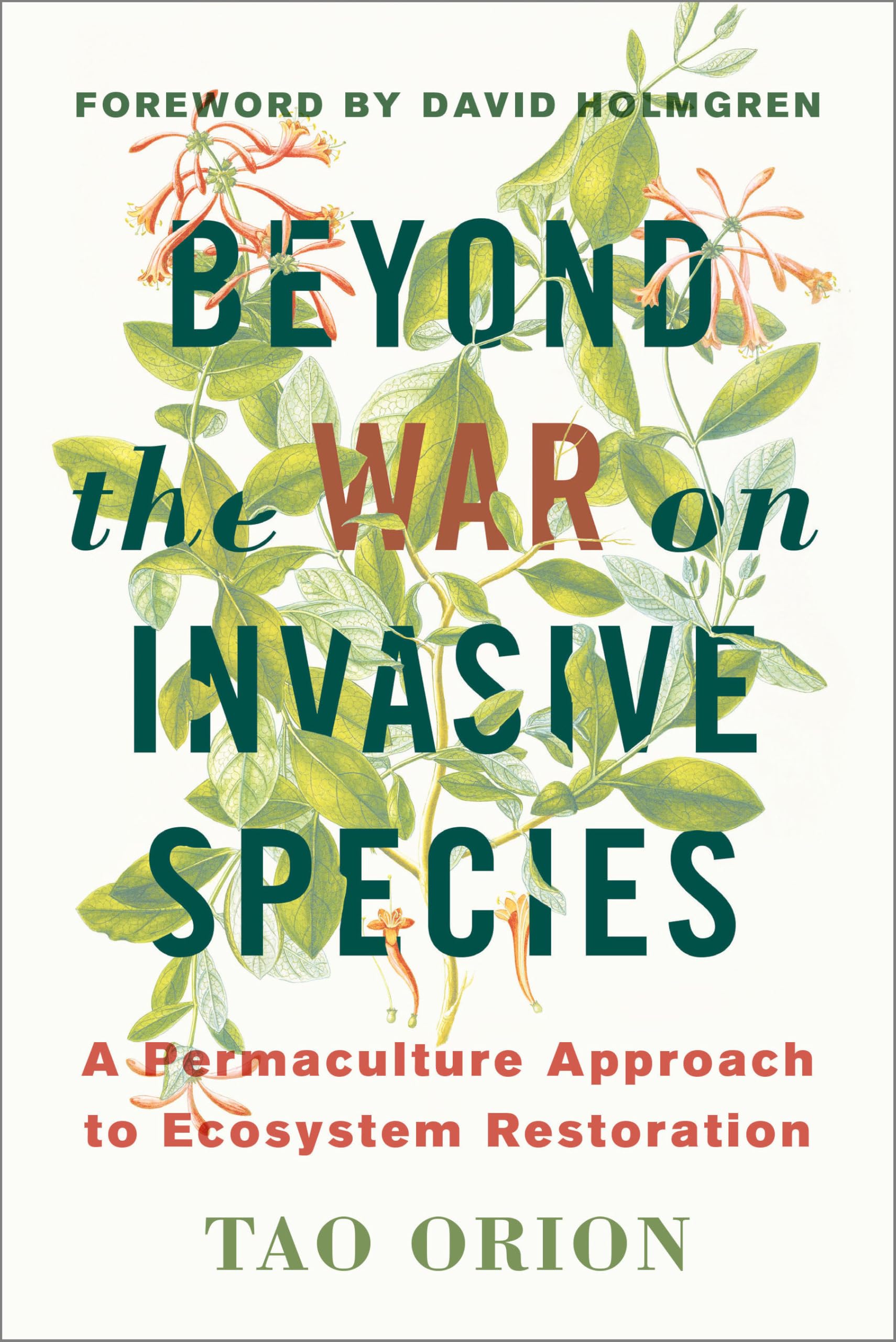



Invasive species are everywhere, from forests and prairies to mountaintops and river mouths. Their rampant nature and sheer numbers appear to overtake fragile native species and forever change the ecosystems that they depend on. Concerns that invasive species represent significant threats to global biodiversity and ecological integrity permeate conversations from schoolrooms to board rooms, and concerned citizens grapple with how to rapidly and efficiently manage their populations. These worries have culminated in an ongoing “war on invasive species,” where the arsenal is stocked with bulldozers, chainsaws, and herbicides put to the task of their immediate eradication. In Hawaii, mangrove trees (Avicennia spp.) are sprayed with glyphosate and left to decompose on the sandy shorelines where they grow, and in Washington, helicopters apply the herbicide Imazapyr to smooth cordgrass (Spartina alterniflora) growing in estuaries. The “war on invasive species” is in full swing, but given the scope of such potentially dangerous and ecologically degrading eradication practices, it is necessary to question the very nature of the battle. Beyond the War on Invasive Species offers a much-needed alternative perspective on invasive species and the best practices for their management based on a holistic, permaculture-inspired framework. Utilizing the latest research and thinking on the changing nature of ecological systems, Beyond the War on Invasive Species closely examines the factors that are largely missing from the common conceptions of invasive species, including how the colliding effects of climate change, habitat destruction, and changes in land use and management contribute to their proliferation. There is more to the story of invasive species than is commonly conceived, and Beyond the War on Invasive Species offers ways of understanding their presence and ecosystem effects in order to make more ecologically responsible choices in land restoration and biodiversity conservation that address the root of the invasion phenomenon. The choices we make on a daily basis—the ways we procure food, shelter, water, medicine, and transportation—are the major drivers of contemporary changes in ecosystem structure and function; therefore, deep and long-lasting ecological restoration outcomes will come not just from eliminating invasive species, but through conscientious redesign of these production systems. “ Beyond the War on Invasive Species is a devastating exposé of the military industrial invasive species complex and a sorely needed and impeccably researched volume that should become one of many as we recover from self-destructive attempts to eradicate parts of nature instead of acting with an understanding of the whole.”—Ben Falk, author of The Resilient Farm and Homestead and founder of Whole Systems Design "Emphasizing a holistic use of what is present in the landscape, rather than what managers presume should be there, Orion (Oregon State Univ.) delves into the somewhat controversial field of invasive ecology, using both plant and animal examples in ecosystem restoration. She thoughtfully discusses the ethics of restoring function to ecosystems and looks at species migrations and movements in a broader context than would most land managers having conversations on landscape scales. She also points out many examples in which understanding the roles and relationships of problem species could lead to multiple solutions for ecosystem health and society. A permaculture perspective is not widely seen in restoration science; however, Orion calls for managers and scientists to recognize destructive patterns, especially with changing climate, habitat shifts, and society's attitudes toward conservation. This thought-provoking book is an interesting read for anyone dealing with natural resources or agricultural sciences who aspires to be an environmental steward of a healthier planet. Summing Up : Recommended. General readers, graduate students, researchers/faculty, and professionals/practitioners.”— Choice "Here is a brilliant, alternative way of dealing with nonnative, invasive species. Oregon State University permaculturist Orion’s emphasis is on plants, and her survey of relevant literature is a virtuoso incorporation of books, journals, electronic resources, and personal communications, written in commendable expository prose. In the face of overwhelming political correctness, which dictates that invasive species should be eliminated, the author offers ways to exploit and adapt to them in addition to extolling the virtues some of the species exhibit. As an instructor, Orion teaches ways to manage ecosystems with an eye to long-term results, free of herbicides and destructive attempts to remove species seen as undesirable. She pays special attention to the behaviors of ‘primitive' societies in relation to their surroundings. In her view, pre-Columbian America was already far from pristine; it underwent many c