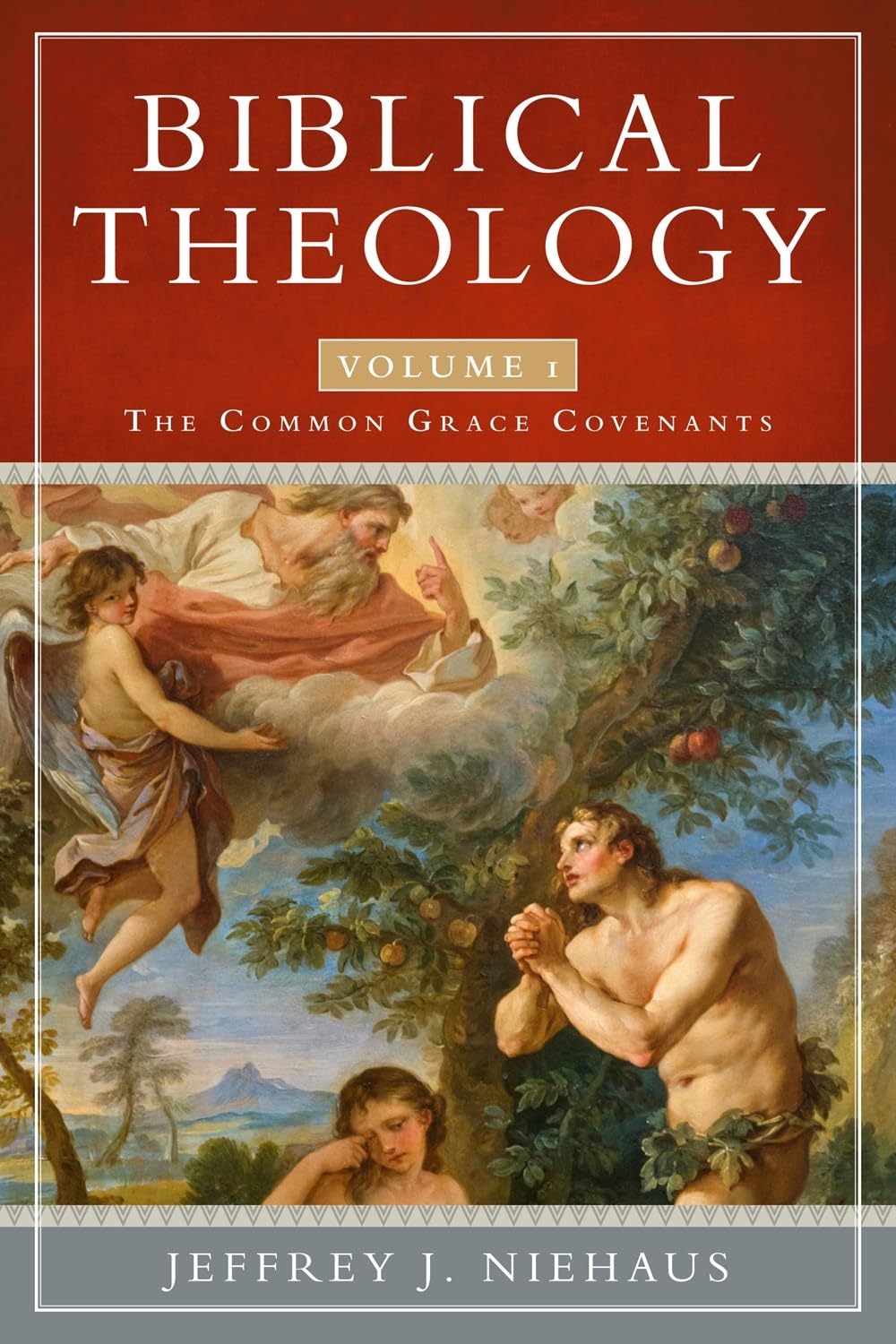



The first of three volumes, this study explores the two common grace covenants: the Adamic and Noahic. The second volume examines the special grace covenants: the Abrahamic, Mosaic, and Davidic. The third volume explores the final and culminating special grace covenant: the new covenant. These volumes present covenant as an expression of the nature of God, and show a paradigm of activity by which God works in covenantal relations first to create the world and then, through a redemptive program after the fall, to redeem what was lost. The first of three volumes, this study explores the two common grace covenants: the Adamic and Noahic. The second volume examines the special grace covenants: the Abrahamic, Mosaic, and Davidic. The third volume explores the final and culminating special grace covenant: the new covenant. These volumes present covenant as an expression of the nature of God, and show a paradigm of activity by which God works in covenantal relations first to create the world and then, through a redemptive program after the fall, to redeem what was lost. Jeffrey J. Niehaus is professor of Old Testament at Gordon-Conwell Theological Seminary, where he has taught since 1982. He is the author of numerous scholarly articles and books, including God at Sinai: Covenant and Theophany in the Bible and Ancient Near East , Ancient Near Eastern Themes in Biblical Theology , and commentaries on Amos and Obadiah. His articles have appeared in the Journal of Biblical Literature , Journal of the Evangelical Theological Society , Tyndale Bulletin , and Vetus Testamentum . In addition to being a biblical scholar, Niehaus is a poet who earned his Ph.D. in English literature from Harvard University, and he is the author of Preludes: An Autobiography in Verse and Sonnets Subtropical and Existential .