Birth Politics: Colonial Power, Medical Pluralism, and Maternity in Nigeria (Global Studies in Medicine, Science, Race, and Colonialism)
$64.95
by Ogechukwu Ezekwem Williams



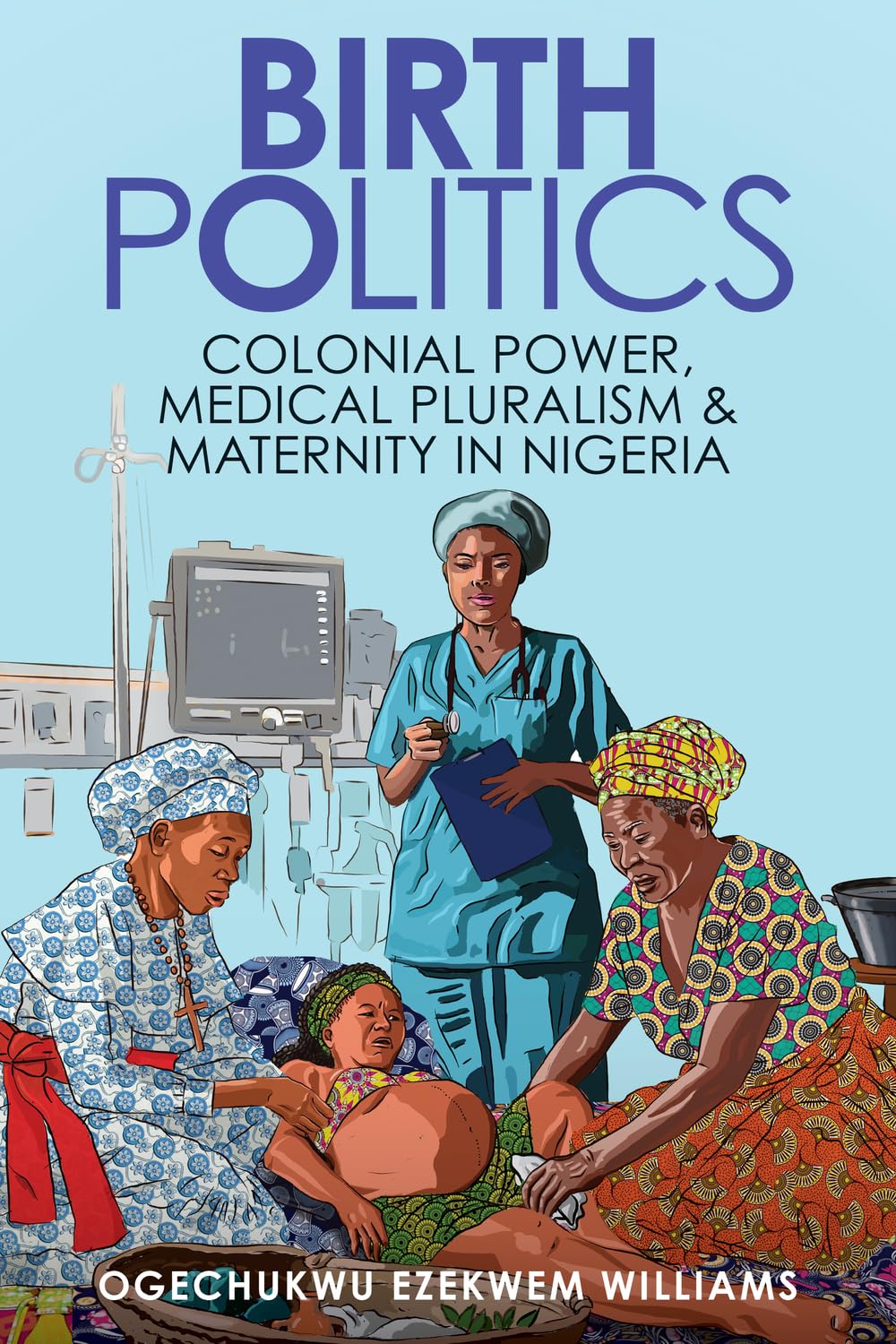
An exploration of the cultural, political, religious, and gender dynamics of Nigeria's maternal health care landscape. In Birth Politics , Ogechukwu E. Williams examines the cultural, political, and medical connections that have shaped childbirth in Nigeria from the colonial era to the present. Offering a unique perspective on competing frameworks and their influence on Nigerian maternal health care, this book calls attention to the complex relationships between traditional midwives, biomedical maternities, and faith-based birthing homes. With a focus on Nigeria's colonial and post-colonial history, Williams explores how childbirth became a battleground for control, legitimacy, and societal transformation. Through critical examination, the work reveals how international organizations and local actors—ranging from traditional healers to missionary nurses and Aladura faith leaders—negotiated their roles within an evolving health care landscape. By underscoring the intersections that emerged among these players, it also addresses the urgent relevance of medical pluralism in tackling contemporary health inequities and Nigeria's ongoing challenges with maternal mortality. Highlighting the influences of international organizations, colonial administrators, and indigenous practitioners, Williams provides a comprehensive and nuanced history that redefines our understanding of reproductive health care and its deeply rooted connections to state power, gender dynamics, religious sentiments, and cultural identity. This book has opened up uncharted vistas in African history, using the politics of birth as an entry point. With new theoretical and conceptual frameworks for understanding colonialism, gender, medicine, and maternal health, Birth Politics will surely stand the test of time. ―Saheed Aderinto, author of When Sex Threatened the State Williams's Birth Politics brings new understanding to Nigeria's birthscape through careful attention to the role of faith healing. Examining the development of Aladura maternity homes as they coevolved with biomedical and indigenous maternity systems sheds important new light on the complexities of balancing healthcare, social reproduction, and power in this dynamic, pluralistic landscape. ―Adrienne E. Strong, author of Documenting Death: Maternal Mortality and the Ethics of Care in Tanzania An exploration of the cultural, political, religious, and gender dynamics of Nigeria's maternal health care landscape. Ogechukwu E. Williams is an associate professor in the department of history at the University at Buffalo. She is the coeditor of Writing the Nigeria-Biafra War .