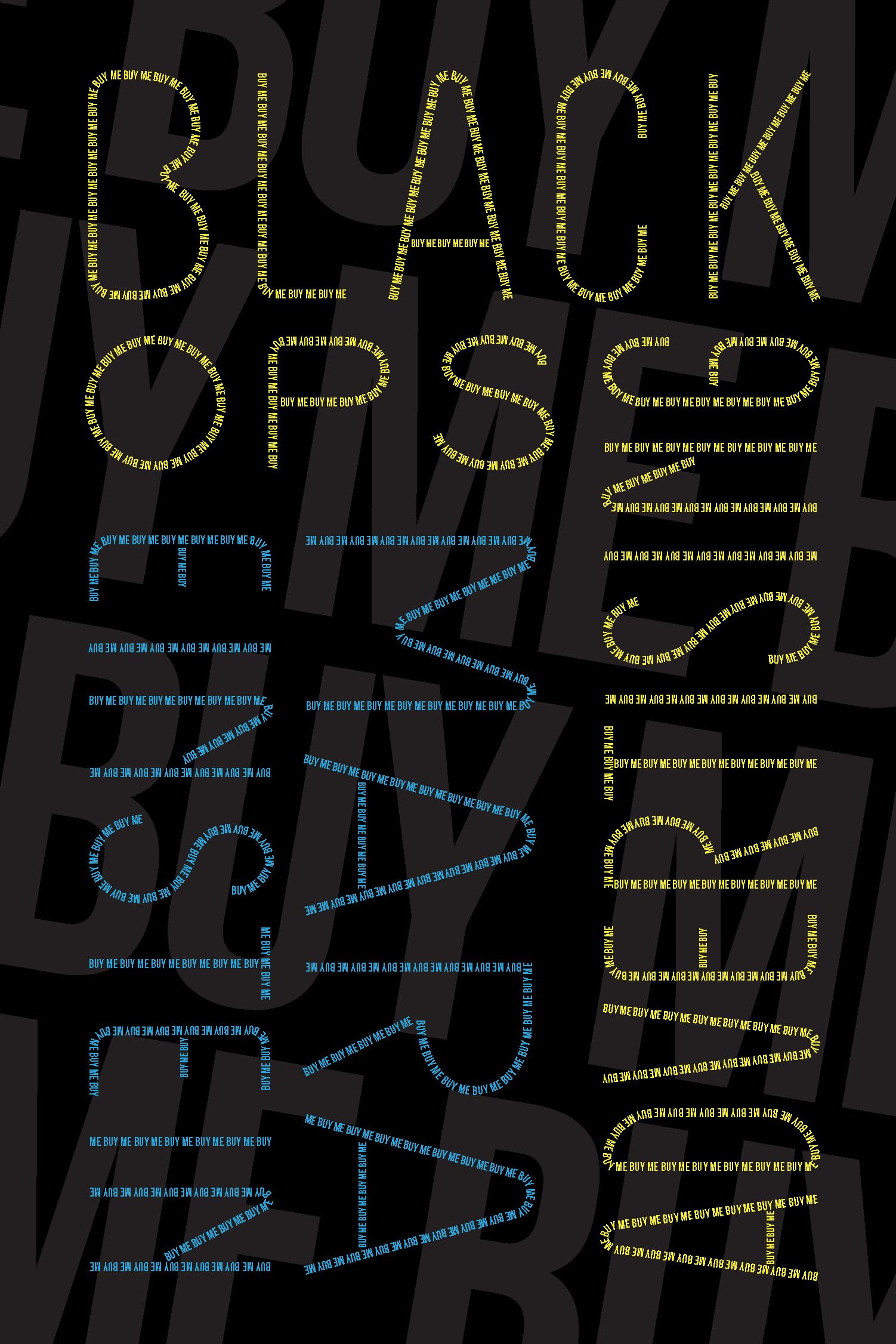
Black Ops Advertising: Native Ads, Content Marketing and the Covert World of the Digital Sell
$13.30
by Mara Einstein



From Facebook to Talking Points Memo to the New York Times, often what looks like fact-based journalism is not. It’s advertising. Not only are ads indistinguishable from reporting, the Internet we rely on for news, opinions and even impartial sales content is now the ultimate corporate tool. Reader beware: content without a corporate sponsor lurking behind it is rare indeed. Black Ops Advertising dissects this rapid rise of sponsored content,” a strategy whereby advertisers have become publishers and publishers create advertisingall under the guise of unbiased information. Covert selling, mostly in the form of native advertising and content marketing, has so blurred the lines between editorial content and marketing message that it is next to impossible to tell real news from paid endorsements. In the 21st century, instead of telling us to buy, buy, BUY, marketers engage” with us so that we share, share, SHAREthe ultimate subtle sell. Why should this concern us? Because personal data, personal relationships, and our very identities are being repackaged in pursuit of corporate profits. Because tracking and manipulation of data make likes” and tweets and followers the currency of importance, rather than scientific achievement or artistic talent or information the electorate needs to fully function in a democracy. And because we are being manipulated to spend time with technology, to interact with friends,” to always be on, even when it is to our physical and mental detriment. "Well-researched and accomplished...providing a clear sense of what free content actually costs" -- The New York Times Einstein's explanations of all this - from internet news organisations to TV product placement and even dating sites - are thoroughly researched, elegantly explained and often alarming, even for readers familiar with most of the above facts in the abstract. -- The Guardian "100 Best-Selling Advertising Books of All Time." -- Book Authority Book Review "Reading Mara Einstein is like putting on magic glasses that let you see the advertising all around you, all the time. Whether you're looking to sell, or hoping to resist, here is the state of the art." — Douglas Rushkoff , author, Throwing Rocks at the Google Bus , Present Shock . Mara Einstein is professor of media studies at Queens College, City University of New York, and an independent marketing consultant. She has been working in, or writing about, media and marketing for more than 25 years, and been an executive at NBC, MTV Networks, and at major advertising agencies. Dr. Einstein is the author of a number of books, including Compassion, Inc. (University of California Press), which examines the growing trend of promoting consumer products as a means to fund social causes and effective social change.
.Even with twenty-plus years of marketing experience, I didn’t initially realize this was an advertising ploy. I watched the jump as others had and never once thought I was being sold an extreme energy drink. I thought I was watching news. After I discovered Red Bull’s involvement, though, I felt used. Okay, so Red Bull doesn’t want to use traditional advertising. Fine. But if the content is worthy of my attention why aren’t they willing to put their name on it? The answer is easy: Red Bull is well aware that if I knew there was an advertiser involved, Iand likely most of uswould not watch it. Years of remote controls, DVRs, and now banner blindness” and ad blockers have taught advertisers that consumers are utterly adept at circumventing advertising. In response, they have turned to new and improved forms of clandestine marketing. Obscured persuasion, broadly known as stealth marketing, is defined as the use of surreptitious marketing practices that fail to disclose or reveal the true relationship with the company that produces or sponsors the marketing message.”[i] While not new, these hidden marketing practices have reached new heights and more devious methods in the age of social media. And with those methods have come a multitude of namescovert marketing, undercover marketing, embedded marketing and more recently, content marketing, native advertising, buzz marketing, and brand journalism, among many, many others. There are few straightforward definitions for these strategies, but the goal is clear: find ways to get products in front of people without them realizing they are being persuaded to purchase andthe piece de resistanceget them to push the products to their friends, creating a world where we are in a constant state of buying or selling. Whatever the label, however, it comes down to this: advertisers can camouflage their sales message in only one of two ways 1) hide the advertising within existing content environments or 2) create the pitch themselves and make it look like something other than advertising. The first of these is native advertising, the second content marketing. Native advertising is a sales pitch created to be