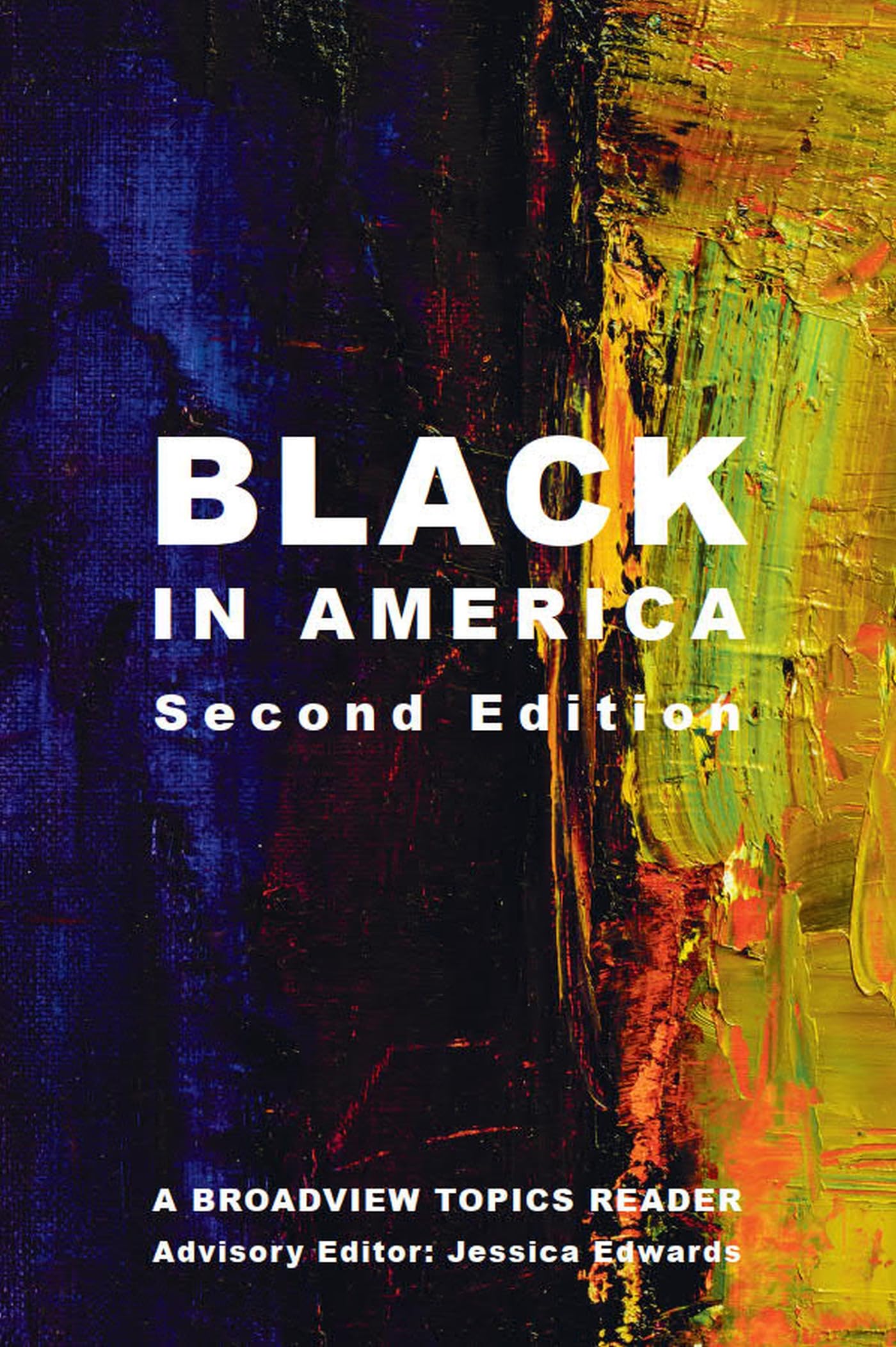



Black in America samples the breadth of nonfiction writing on African American experiences in the United States from the eighteenth century to the present. The anthology emphasizes twenty-first-century authors such as Ta-Nehisi Coates, Claudia Rankine, and Roxane Gay, but a substantial selection of important earlier writers―from Phillis Wheatley and Olaudah Equiano, through Sojourner Truth and Frederick Douglass, to James Baldwin and Audre Lorde―is also included. The second edition has been updated to feature notable works that have appeared since the first edition was published in 2018, particularly including works addressing the COVID-19 pandemic and the Black Lives Matter movement; the new edition also includes more selections that emphasize the joy and beauty of being Black in America. Selections are arranged by author in rough chronological order and feature headnotes, explanatory notes, and discussion questions to facilitate student engagement. A companion website contains additional readings; alternative tables of contents listing material by thematic subject and by genre and rhetorical style; an additional set of explanatory notes for the benefit of international students and/or non-native speakers of English; and links to further readings and other resources such as speeches, recitations, TED talks, and music videos. A percentage of the revenue from this book’s sales will be donated to two organizations: Equal Justice Initiative and Color of Change . “ Black in America was a game-changer for our First-Year Writing program, offering an expertly curated selection of texts that exposed students to the breadth and depth of perspectives on the Black experience in this country. … The second edition looks to keep the conversation going, with updated selections from past greats such as Baldwin, along with pieces dealing with essential issues of the day, such as woke-ness, cancel culture, cultural appropriation, and identity politics. This book touches on themes that affect us all.” ― Jeremy Tuman, Xavier University of Louisiana “What it feels like, looks like, and means to be Black in America is an important topic that has been discussed since 1619. The topic has been reviewed, debated, and performed by multifarious Black people, from numerous perspectives, in multiple genres. The present edition of Black in America captures these diverse Black voices, both in the print anthology and the necessary online companion website. In our technologically influenced society, the companion site illustrates how Black people use technologies to amplify, create, demonstrate, and showcase what Being Black in American means. We must remember that it was a 17-year-old Black girl who used the video feature on her mobile phone to record the killing of Mr. George Floyd. That video made the whole world pause, witness, and ask if such an occurrence is still a part of being Black in America. Knowing that being Black in America is of international interest, this volume importantly draws in readers who may not be Black. There are notes on nomenclature for worldwide readers or newcomers to America. The editors know that Blackness is a universal topic as shown in the first selection―Phillis Wheatley’s 1773 poem ‘On Being Brought from Africa to America.’ The poem’s famous last line is addressed to white Christians: ‘Remember, Christians, Negroes, black as Cain / May be refined and Join th’ angelic train.’ Has that audience progressed in its views of Blackness? The volume presents selections that urge readers to take up the question, including the last piece by linguist John McWhorter on why contemporary discussion of race should focus on progress. All in all, this significant volume provides insight to readers and inspiration to other writers to continue the conversation about Being Black in America.” ― Vershawn Young, University of Waterloo “This new, revised edition of Black in America provides up-to-the moment discourses about Blackness from social, cultural, and political perspectives. Enhanced materials available on a companion website enliven Black knowledge practices through multimedia resources for students and teachers. It will serve as essential reading for anyone interested in historical and contemporary responses to systems of oppression that sustain ideas of difference. Black in America ’s emphasis on Black writers’ meaningful engagement with and creative responses to such structures of power marks an important agency in writing and enacting knowledge practices. Necessary reading for any course engaged with Black intersectionality with literature and writing, the arts and advocacy, and Black political and social life inclusive of gender and sexuality.” ― Noelle Morrissette, The Univerisity of North Carolina at Greensboro Black in America samples the breadth of nonfiction writing on African American experiences in the United States from the eighteenth century to the present. The anthology emphasizes twenty-fi