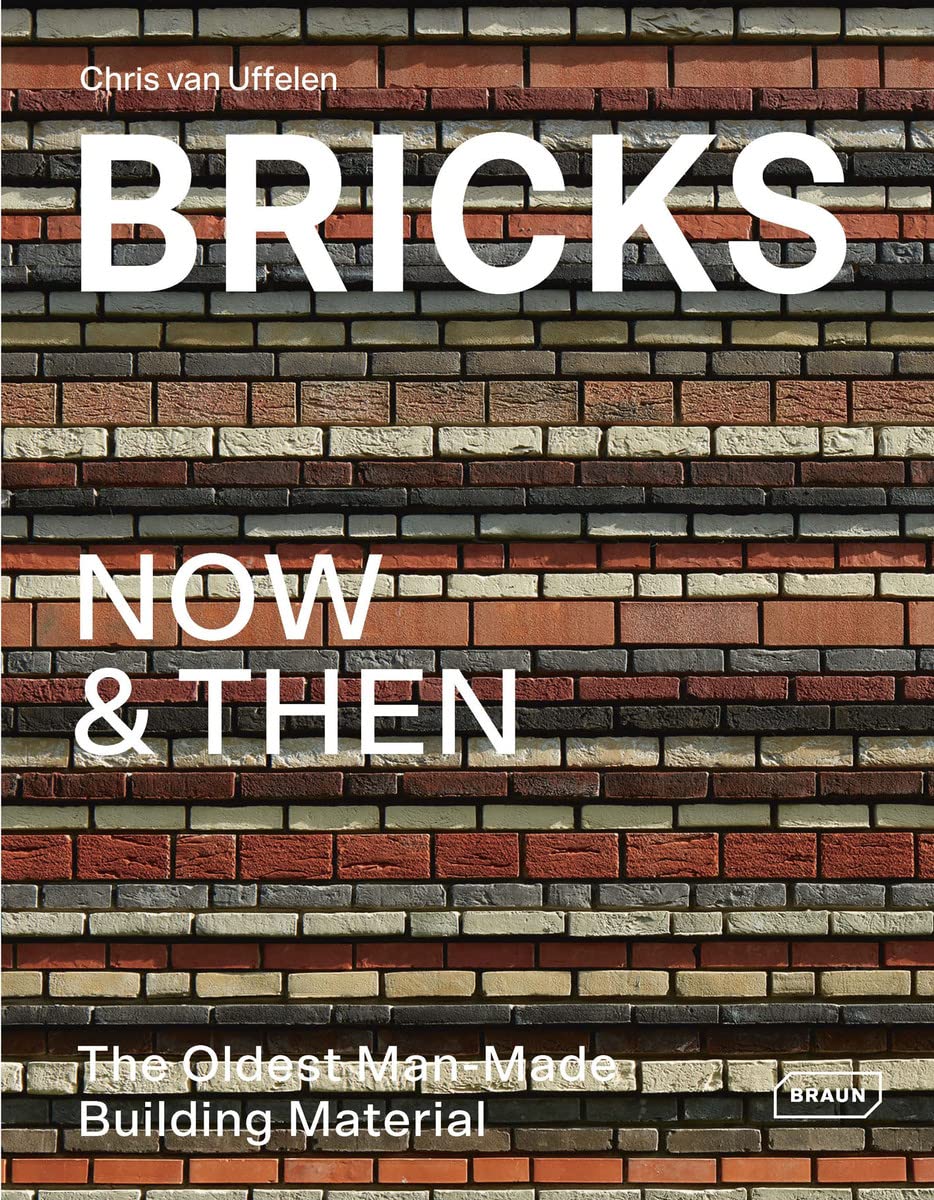



Bricks are the only non-natural building material that can look back at several thousand years of history. And as Mies van der Rhohe stated: “Architecture starts when you carefully put two bricks together. There it begins“. Buildings made of this fabric from very different epochs and cultures all over the world are always astonishing, and the world’s best architects have explored the qualities of brickwork. A key characteristic for its success since time immemorial has always been easy planning through the standardization of production and the resulting harmonized construction process. Amazing constructive qualities, inexpensive and at the same time environmentally friendly production as well as the longevity are among the qualities that are particularly valued today. In this volume, historical and contemporary brick edifices are featured showing the wide range of possible applications and design possibilities. Buildings made of brick are found in very different epochs and cultures all over the world. Always astonishing, the qualities of brickwork continue to be explored by the world's best architects until today. A key characteristic of the material's success since time immemorial has always been the ease of planning due to its standardized production and the resulting harmonized building processes. In addition to longevity, amazing constructive possibilities as well as inexpensive and at the same time environmentally friendly production are among the qualities that are particularly valued today. Using computer software solutions, and even robots in some cases, today's architects are deploying brick in inventive ways: perforated, pixelated, undulating and more. The featured works from the past and present are a demonstration of how the use and popularity of bricks has not diminished one bit over the millennia, and is even gaining popularity today. Core topic for Chris van Uffelen is the transfer of knowledge about design in all its manifestations. For more than twenty years the Dutch-German art historian has been publishing books as well as countless essays and articels on art, architecture, interior design and urban planning from antiquity to the present. He is particular interested in the effects of architecture on public spaces. In his editorial office he provides a wide range of services for the publishing industry. He also runs his own small publishing house.