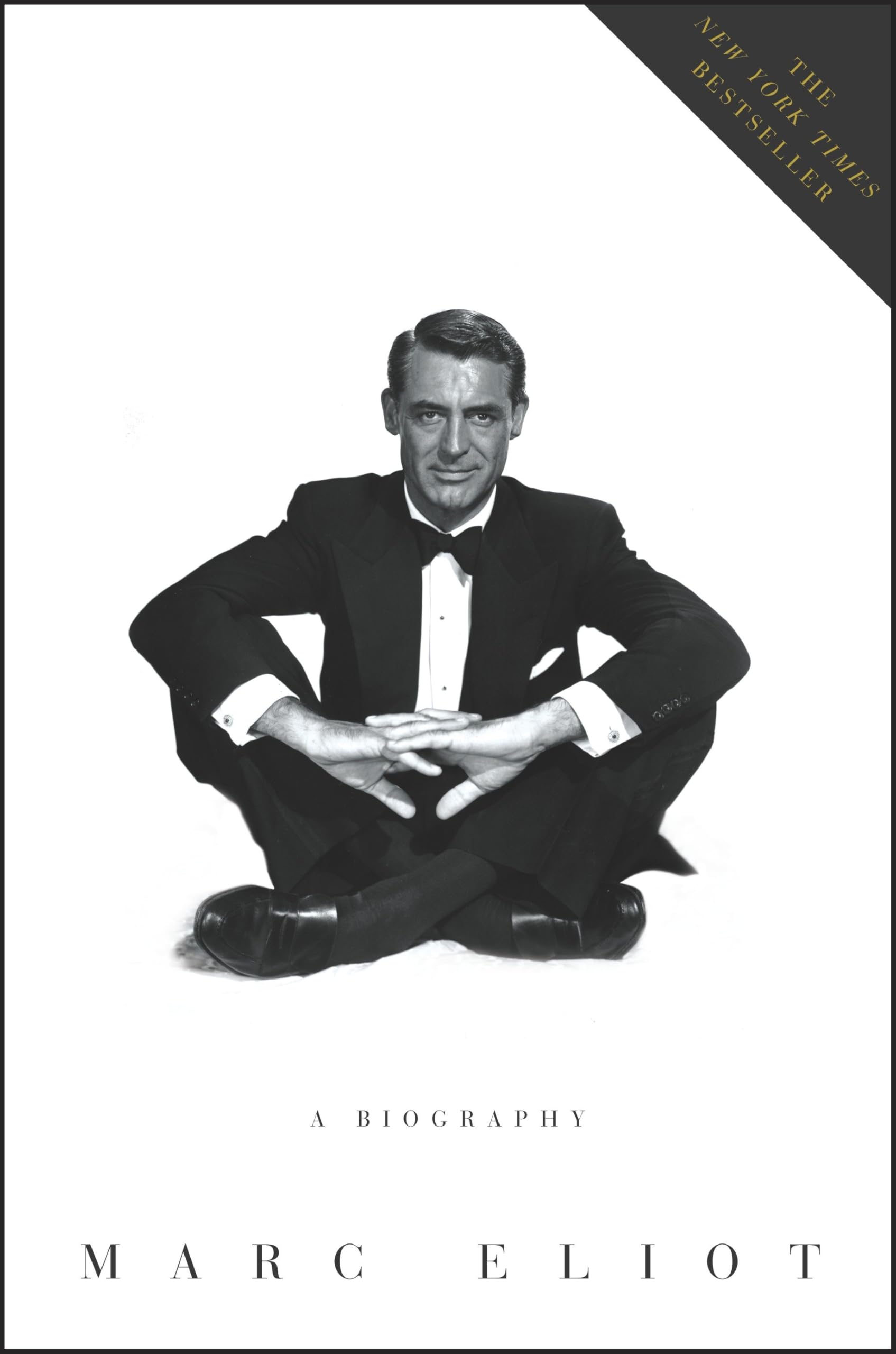



Rigorously researched and elegantly written, Cary Grant: A Biography is a complete, nuanced portrait of the greatest star in cinema history. Exploring Grant’s troubled childhood, ambiguous sexuality, and lifelong insecurities, as well as the magical amalgam of characteristics that allowed him to remain Hollywood’s favorite romantic lead for more than thirty-five years, Cary Grant is the definitive examination of every aspect of Grant’s professional and private life and the first biography to reveal the real man behind the movie star. “A fascinating and thorough portrait. . . . Eliot does a good job of cracking the screen fantasy.” — Esquire “Highly readable. . . . Glimpses of the debonair leading man’s dark side are the most intriguing elements of this welcome biography.” — People (3 stars) “Keeping the actor’s astonishing career firmly in view, Eliot assembles a portrait that shows the dark shadows behind the gleaming facade, while also revealing Grant’s own shrewdness in maintaining that fictional persona.” — Washington Post “Eliot gives us a Grant we’ve never fully glimpsed before.” — Vogue "Everybody wants to be Cary Grant. Even I want to be Cary Grant." --Cary Grant He is Hollywood's most fascinating and timeless star. Although he came to personify the debonair American, Cary Grant was born Archibald Leach on January 18, 1904, in the seaport village of Bristol, England. Combining the captivating beauty of silent-screen legend Rudolph Valentino with the masculine irresistibility of Clark Gable, Grant emerged as Hollywood's quintessential leading man. Today, "the man from dream city," as critic Pauline Kael once described him, remains forever young, an icon of quick wit, romantic charm, and urbane sophistication, the epitome of male physical perfection. Yet beneath this idealized movie image was a conflicted man struggling to balance fame with a desire for an intensely private life separate from the "Cary Grant" persona celebrated by directors and movie studios. Exploring Grant's troubled childhood, ambiguous sexuality, and lifelong insecurities as well as the magical amalgam of characteristics that allowed him to remain Hollywood's favorite romantic lead for more than thirty-five years, Cary Grant is the definitive examination of every aspect of Grant's professional and private life, and the first to reveal the man behind the movie star. Working with the most talented directors of his time, Grant starred in an astonishing seventy-two films, ranging from his groundbreaking comedic roles in such classics as Bringing Up Baby (Howard Hawks) and The Philadelphia Story (George Cukor) to the darker, unforgettable characters of Alfred Hitchcock's Suspicion and Notorious, culminating in the consummate sophisticates of An Affair to Remember (Leo McCarey), North byNorthwest (Hitchcock), and Charade (Stanley Donen). The camera loved Grant, and his magnetism helped illuminate his leading ladies, some of the most glamorous women ever to grace the silver screen: Mae West, Irene Dunne, Katharine Hepburn, Ingrid Bergman, Grace Kelly, and Sophia Loren, among others. Yet, because of his pioneering role as an independent player, Grant was repeatedly denied the Oscar he coveted--a snub from the Academy that would last until 1970, when he graciously accepted a special lifetime achievement award. Grant's sparkling image on-screen hid a tumultuous personal life that he tried desperately to keep out of the public eye, including his controversial eleven-year relationship with Randolph Scott, five marriages, and numerous affairs. Rigorously researched and elegantly written, Cary Grant: A Biography is a complete, nuanced portrait of the greatest Hollywood star in cinema history. "From the Hardcover edition. Marc Eliot has been writing about pop culture for more than twenty-five years and is the author of more than a dozen books translated into twenty-seven languages, including the critically acclaimed, award-winning biography Walt Disney: Hollywood’s Dark Prince and, with Erin Brockovich, the New York Times bestselling Take It from Me . He divides his time among Los Angeles, New York City, and upstate New York. Visit his website at marceliot.net Chapter 11 On the night of April 7, 1970, four years after starring in his last feature film, sixty-six-year-old Cary Grant, who had never won an Oscar, was awarded a special noncompetitive Academy Award for his lifetime of achievement in motion pictures. Although to his great legion of fans it was an honor scandalously overdue, for a number of reasons, some less obvious than others, it very nearly did not happen. The original concept of the Academy of Motion Picture Arts and Sciences had been the brainstorm of Louis B. Mayer, who in 1926 came up with the idea of an interstudio house union open to all studio employees, including actors, run by moguls, to offset the growing problem of independent trade organization in Hollywood. The notion of annual awards was meant