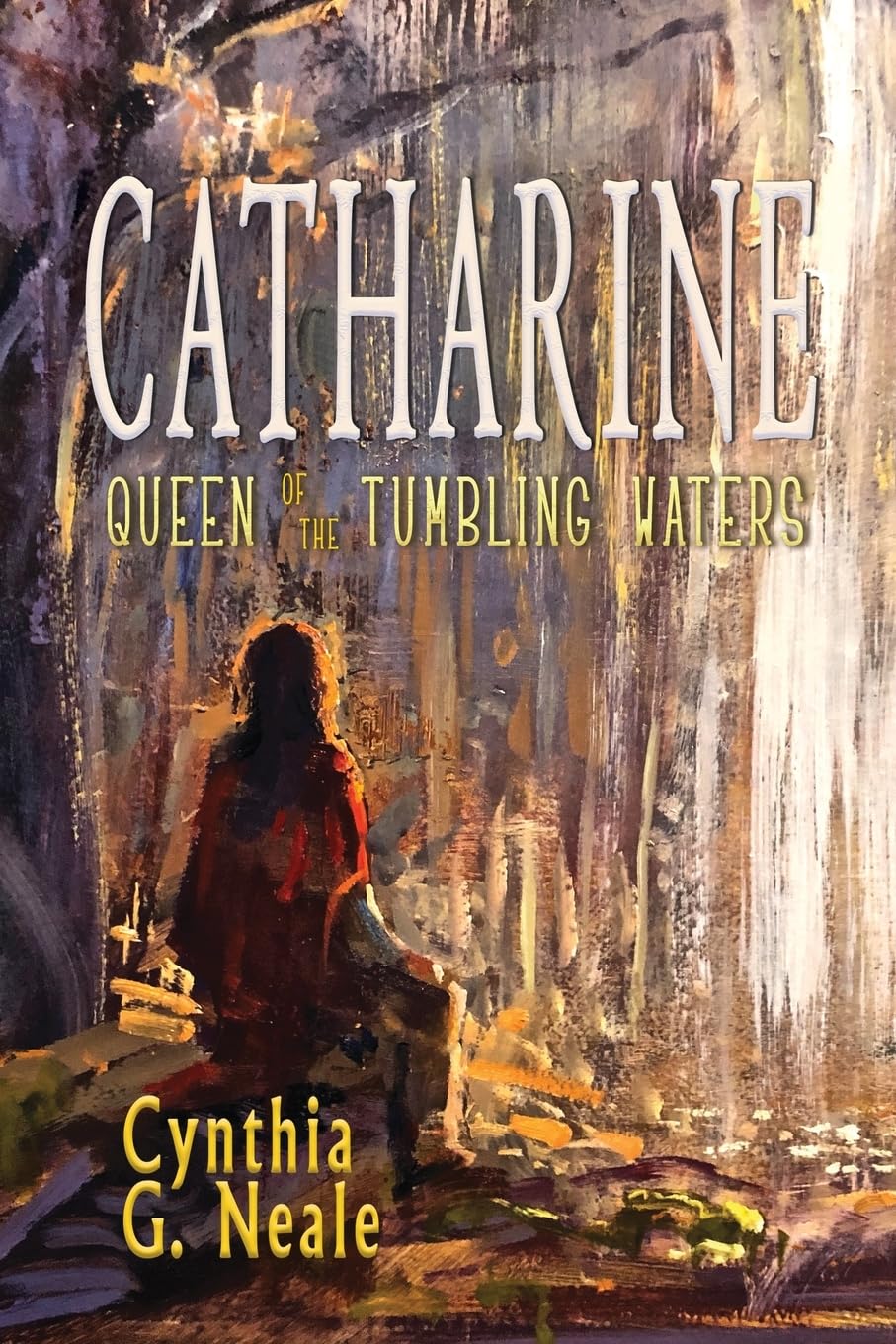



"I'm not like your white women who lose their tongues and wits in a house full of men." So says Catharine Montour to her white captive during the Indian depredations of the 1750s. Catharine Montour, a métis, born during Pennsylvania's Long Peace, is nurtured by her grandmother, the celebrated Madame Montour, an interpreter for the British colonies. Her uncle, Andrew Montour, is also an interpreter and sits on the Council of the Iroquois. The Montours are an unconventional, yet highly regarded family who host diverse and fascinating assemblies of fur traders, missionaries, Indians, and colonial leaders in their home. As the Long Peace ends and the French and Indian War, and eventually the American Revolution occur, Catharine, desiring only to live quietly by a waterfall in New York, becomes a fearless, determined, and passionate leader who demands loyalty to peace in her village and for all. And then in 1779 when General John Sullivan leads the campaign to destroy all Iroquois villages, Queen Catharine, heroically guides her people to Fort Niagara. Today as American exceptionalism prevails against the recognition of indigenous peoples, Catharine's relevant and fact-based story spans two wars and enlightens and makes visible the unwritten truths of early American history. "A wonderfully descriptive novel that imaginatively narrates the hardships and triumphs of Catharine Montour, one of early America's most remarkable women. Neale vividly recreates the lost world of the early American frontier, where Catharine and her family navigated an uneasy borderland between colonists and Native peoples." - Chad Anderson, Author of the Storied Landscape of Iroquoia: History, Conquest, and Memory in the Native Northeast "Cynthia Neale's beautiful novel is still with me months after reading it. She depicts Catharine so convincingly, it is as if she is channeling her spirit. To read this thoroughly researched story is to go back in time and enter a complex and dark period in U.S. history and get to know one of its heroines who would otherwise be forgotten. This is an important book." - Haviva Ner-David, rabbi and author of Hope Valley and To Die in Secret Catharine Montour emerges as a truly remarkable character. Her unwavering determination, fearlessness, and commitment to peace in the face of war are inspiring. Her journey from a woman seeking a quiet life to a hero guiding her people to safety during General John Sullivan's campaign is a testament to the resilience of the human spirit. Moreover, this book is not just a historical account; it is a timely and relevant exploration of indigenous history in America. At a time when recognizing indigenous peoples is a pressing issue, "Catharine, Queen of the Tumbling Waters" shines a light on the unwritten truths of early American history and serves as an essential reminder of the rich and diverse tapestry that makes up the American story. In conclusion, this novel is a true masterpiece of historical fiction. It educates, enlightens, and entertains in equal measure. It brings to life a remarkable period in American history through the eyes of an even more amazing woman. Catharine Montour's story is one of resilience, courage, and the enduring quest for peace, and it deserves to be celebrated. Take advantage of the opportunity to read this captivating and enlightening book. It is an invaluable addition to the world of historical literature. - Michael T Book Party Podcast Author Cynthia Neale poignantly captures and honors the life of a fascinating and relatively unknown woman of early American history, Catharine Montour. Meticulously researched, the story illuminates the real-life relationships among Indigenous people and white colonists in the mid 18-century. And it does so with brutal honesty and not a few surprises. Through it all, Catharine's voice sings in beautiful, lyrical language that emanates from her deep connection to the natural world and the culture of her people, the Iroquois. The story offers readers a valuable and eye-opening lesson about our country's so called "founding." A remarkable, important historical novel that deserves wide recognition ~ Nancy Kelley, author of The Whispering Rod This novel is a compelling narrative of Catharine Montour, a Métis (mixed French and Native heritage) woman who lived in Pennsylvania and New York during the time of the French and Indian Wars and the American Revolution. Catharine lived her life under the umbrella of the Iroquois Confederacy of Six Nations, known to the Europeans as the Haudenosaunee. Catharine was also part of a unique family, the Montours, who were considered somewhat privileged as tribal members. Her grandmother came from New France (Quebec) and built contacts and prestige through her service as an interpreter between Native tribes and the Europeans. Her mother then aligned the family to the British Christian missionaries who lived among them. Catharine herself had direct contact wit