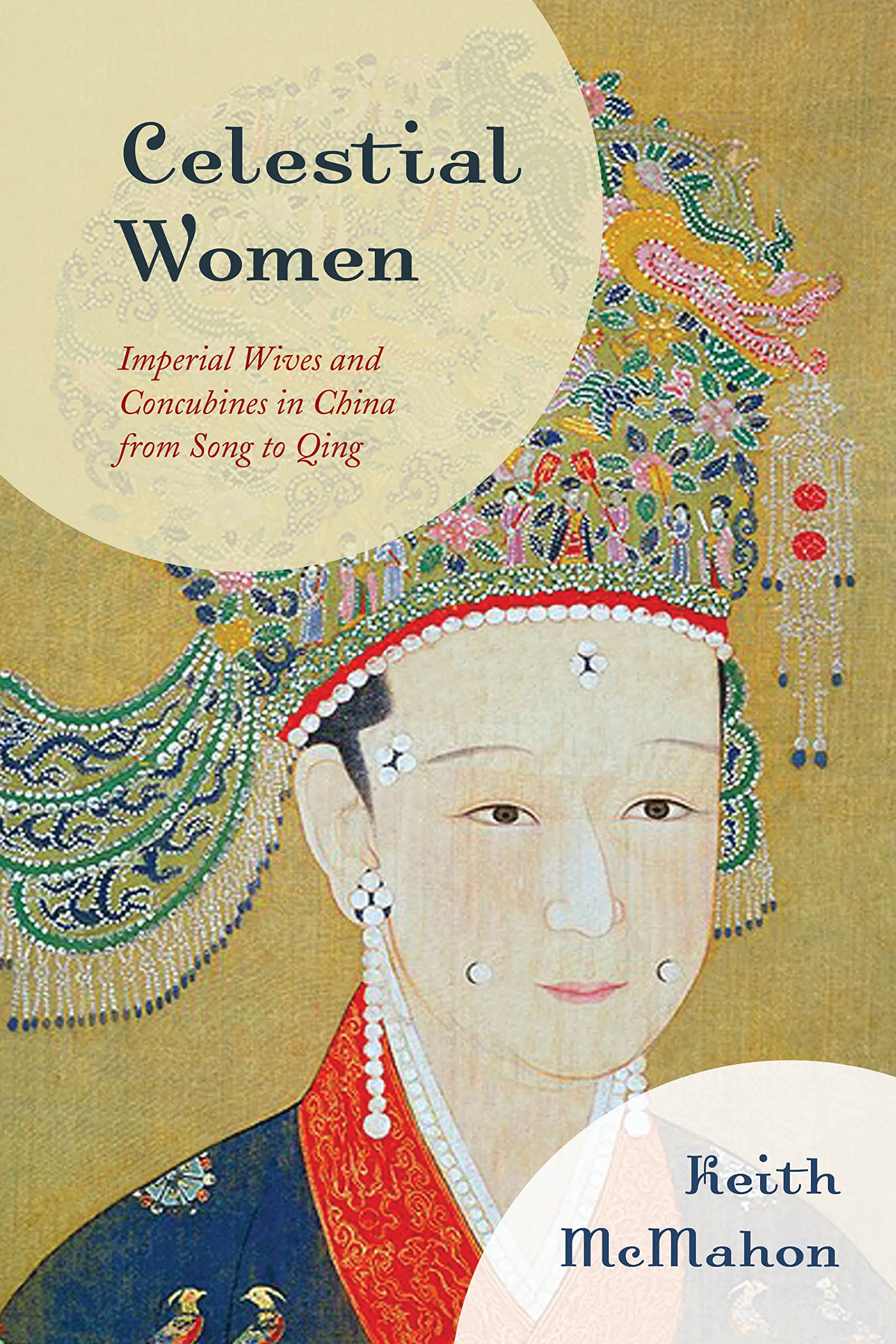
Celestial Women: Imperial Wives and Concubines in China from Song to Qing
$35.95
by Keith McMahon



This volume completes Keith McMahon’s acclaimed history of imperial wives and royal polygamy in China. Avoiding the stereotype of the emperor’s plural wives as mere victims or playthings, the book considers empresses and concubines as full-fledged participants in palace life, whether as mothers, wives, or go-betweens in the emperor’s relations with others in the palace. Although restrictions on women’s participation in politics increased dramatically after Empress Wu in the Tang, the author follows the strong and active women, of both high and low rank, who continued to appear. They counseled emperors, ghostwrote for them, oversaw succession when they died, and dominated them when they were weak. They influenced the emperor’s relationships with other women and enhanced their aura and that of the royal house with their acts of artistic and religious patronage. Dynastic history ended in China when the prohibition that women should not rule was defied for the final time by Dowager Cixi, the last great monarch before China’s transformation into a republic. “This is the second volume of McMahon’s meticulous work on the history of imperial wives and royal polygamy in China. (The first was Women Shall Not Rule, 2013). Avoiding the stereotype of imperial wives as victims in royal polygamy, the author focuses on these celestial women’s active participation in palace life after the dethronement of Empress Wu in the Tang dynasty. Although restrictions on women’s participation in politics became severe, McMahon argues that later dynasties still included strong, active women who counseled emperors, ghostwrote for them, and oversaw succession when they died. Dowager Empress Cixi, the last great monarch before Republican China, was an example. Following the dynastic chronology, the book offers detailed accounts from various sources, such as legend, anecdotes, official histories, and miscellanea. It also provides comparative perspectives from monogamous European kings and royal women in Byzantium, Mongol and Timurid Central Asia, and Mughal India. . . .Summing Up:Recommended. General collections; upper-division undergraduates and above.” ― Choice Reviews “Refreshing and intelligent. . . . Tracing the history of imperial women throughout Chinese history, including native Chinese dynasties and steppe conquest dynasties, McMahon is uniquely positioned to explain change and continuity. . . . The thoughtful balance created between marked change and overall structural characteristics of Chinese imperial women is one of the great strengths of this book. Finally, and most audaciously, Celestial Women is an essay in global comparative history. McMahon displays a wide knowledge of polygyny and dynastic women around the world, and shows a probing and open mind. . . . The insights generated through comparison are powerful and illuminating. . . . The comparative endeavor in the introduction and conclusion of Celestial Women substantially strengthens the detailed core sections. It allows the reader to move back and forth between a richly contextualized story about Chinese women and general issues relating to dynastic women across the globe. . . . The combination of this scholarly achievement with the intermediate sections outlining change in every dynasty, and the overall ambitious comparative framework, makes this an exceptional achievement. Celestial Women combines a sovereign grasp of Chinese dynastic history with a sharp eye for global diversity and structural patterns.” ― Nan Nü: Men, Women and Gender in China “McMahon’s work, intertextual in its reading and intertemporal in its scope, makes a significant contribution to the study of palace women’s lives and roles in imperial China. . . . [S]ince history is usually told from perspectives of emperors and their political, economic, and military deeds, it requires special lenses to interpret the accounts about them in order to better comprehend the roles and deeds of these women. McMahon acknowledges such difficulties with veracity, yet he succeeds in providing lively pictures of these women by filtering out reliable information from the sea of historical records, some of them utterly fictional and even scandalous. His felicitous, lucid translation of selected excerpts from biographical texts and literary records, frequently assembled from numerous, not always consistent, sources, provides a real flavour of the sources and a vivid instance of how they can and should be used. . . . Celestial Women is clearly written with an engaging narrative and interlocking arguments, making the reading of this book a real joy. The many issues discussed invite comparative studies on queenship and imperial marriages in other cultures and will definitely appeal to a broad readership.” ― Royal Studies Journal “One of the world’s leading experts in Ming-Qing fiction and gender relations, Keith McMahon is ideally qualified to undertake the study of women in the emperor’s entourage over the two mille