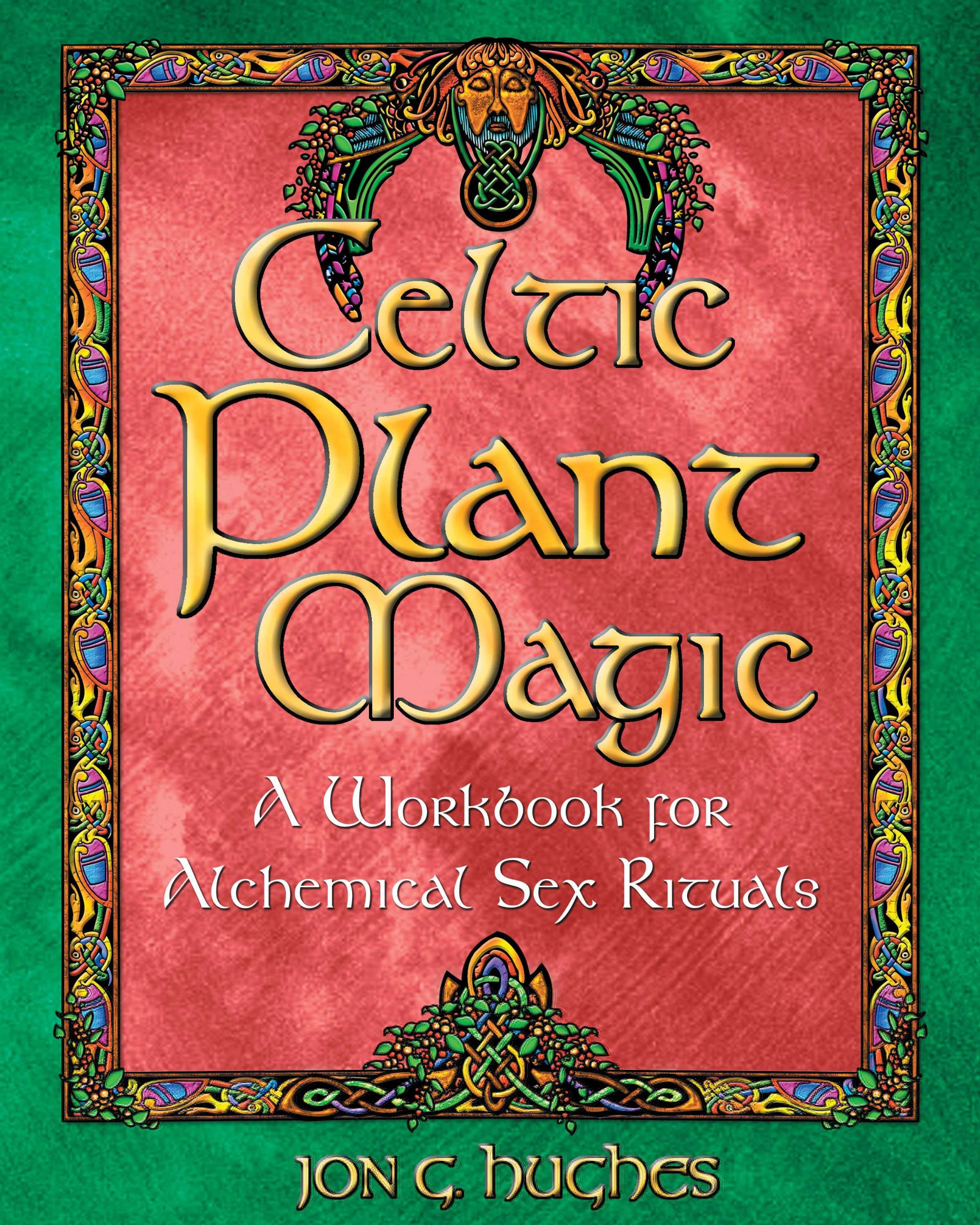



The first working guide to the creation and application of plant-based compounds for ritual, magical, and healing purposes based on the Druidic tradition. • Provides step-by-step instructions for processing and transforming 70 plant energies and essences into working magical compounds. • Demonstrates the application of these compounds in a sex magic ritual. • Written by a practicing Druid with more than 40 years in the tradition. The ancient rites and lore of the Druids have always utilized a gentle alchemy to convert plant essences into potent compounds for working magical rituals. Through the respectful seduction of a plant's virtue, Druid alchemists are able to release and collect the latent energy, physical attributes, and magical capacities of that plant. The Druid then applies a series of processes to the acquired essence in order to maximize its power prior to its application in magical ritual. In this first-ever working guide to the principles, processes, and practical application of druidic plant magic, Jon G. Hughes shares the combined wisdom of his ancestral lineage. Celtic Plant Magic includes basic alchemical theory, instructions for creating all necessary tools, descriptions of magical compounds and their uses, and how to prepare oneself for working with plant essences. The healing and magical properties of more than 70 plants and trees are provided. The author then applies this information to a Celtic sex ritual, demonstrating how these compounds are used in specific magic and ritual practices. Celtic Plant Magic is a valuable manual for anyone wishing to harness the magical potential of plant energy. " . . . the many ritual suggestions are presented with the same care and insight as the practical parts concerning plant magic, which makes this a truly rewarding workbook for the aspiring herbalist. Recommended." ― O Caldeirao, Issue 16, May 2008 Jon G. Hughes, author of Celtic Sex Magic , is part of a lineage of druids that has been practicing for five generations in a remote area of Wales. He is now teaching the tradition at his home in western Ireland and gives workshops and seminars throughout Europe under his Welsh name of Cynon. He is the director of the Irish Centre for Druidic Practices. Introduction In planning the research for this book, I began with the intention of comparing the plant-based preparations, rituals, and magic of the Welsh Druidic tradition with those of the much broader and infinitely more documented traditions practiced all over the world. However, before I had progressed very far, I came in contact with the works of ancient and modern alchemists. The part of their work that has been maintained for millennia involves the use of materials from the plant kingdom. This immediately drew my interest. My initial fascination with the use of plant materials in alchemical processes was spurred by the mention of the search for immortality and the involvement with sexual ritual, as both have their place in the Druidic tradition. For many, the very word alchemy conjures up images of dark laboratories with strange equipment and fiery furnaces engaged in the age-old quest to make gold from less valuable ores and metals. Hoping to find a common thread between the Druidic tradition and alchemy, I researched the books and experiments of Lesser Circulation. Lesser Circulation deals with the herbal processes of alchemy, as opposed to the much better known Greater Circulation, which relates to the mineral (metallic) realm and its reputation for converting base metals into gold. The latter has no equivalent in the Druidic tradition. For those who know more on the subject, both the Lesser and Greater Circulations also exist as metaphors for the creation of a pure, elevated spirit from the basic, unrefined spirit contained within us all. Alchemy, to a large extent, involves a range of brutal, intensely forceful processes in its efforts to elevate the substances it employs to ever greater levels of purity. These processes violate the original state of the matter involved and demonstrate little respect for the fruits of the cosmic creation in whatever form they appear. As I continued to explore the tenets of alchemy, I grew more and more convinced that although these harsh methods may have a place in the extraction of ores and the amalgamation of metals, they are wholly inappropriate for the plant kingdom. It also was obvious that they bore little resemblance to the Druidic tradition of gentleness and nurturing taught to me throughout my lifetime as a practicing Druid. The goals of both traditions may be similar, but the means of pursuing them differ greatl; in fact, they are poles apart. In my quest for a greater understanding of the more subtle aspects of alchemy, I persevered in my research on the origins of the theories and practices of the craft. As I progressed, I began to see a correspondence between alchemy and the Druidic tradition that at first had eluded me. It was