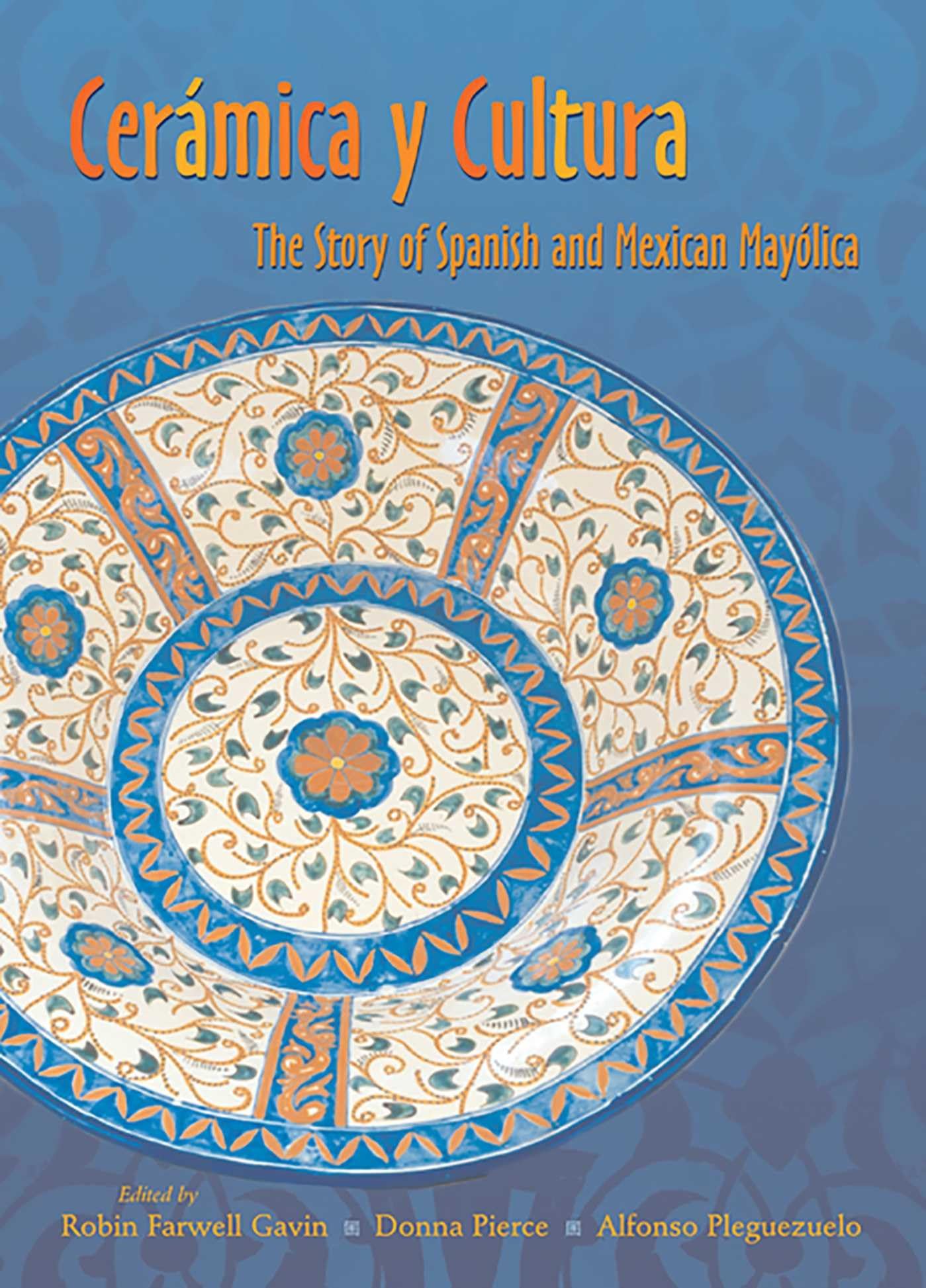
Ceramica y Cultura: The Story of Spanish and Mexican Mayolica
$19.95
by Robin Farwell Gavin



By examining both historic and contemporary examples, the editors move discussion of the enameled earthenware known as mayolica beyond its stylistic merits in order to understand it in historic and cultural context. It places the ceramics in history and daily life, illustrating their place in trade and economics. "Anyone who studies or collects mayA3lica will want this book!" "Well written and generously illustrated, the editors of this magnificent volume have contributed to a better understanding of the history and cultural significance of the enameled earthenware known as "mayA3lica,"" "Anyone who studies or collects maylica will want this book!" "The most comprehensive treatment of majolica in the Spanish-American world that is available today. It is furthermore an extremely beautiful book, with many extraordinary pieces of majolica published for the first time. . . . An invaluable contribution not only to majolica studies but to the integration of European and American scholars around a theme that has been, until now, largely segregated. The book is beautifully produced and reasonably priced. It is a must-have for anyone interested in ceramics." "First rate coverage of remakable ceramics." By examining both historic and contemporary examples, the editors move discussion of the enameled earthenware known as mayolica beyond its stylistic merits in order to understand it in historic and cultural context. It places the ceramics in history and daily life, illustrating their place in trade and economics. Robin Farwell Gavin is curator of Spanish Colonial collections at the Museum of International Folk Art in Santa Fe. Donna Pierce is curator of Spanish Colonial Art in the New World Department of the Denver Art Museum. Alfonzo Pleguezuelo is professor of art history at the University of Seville.