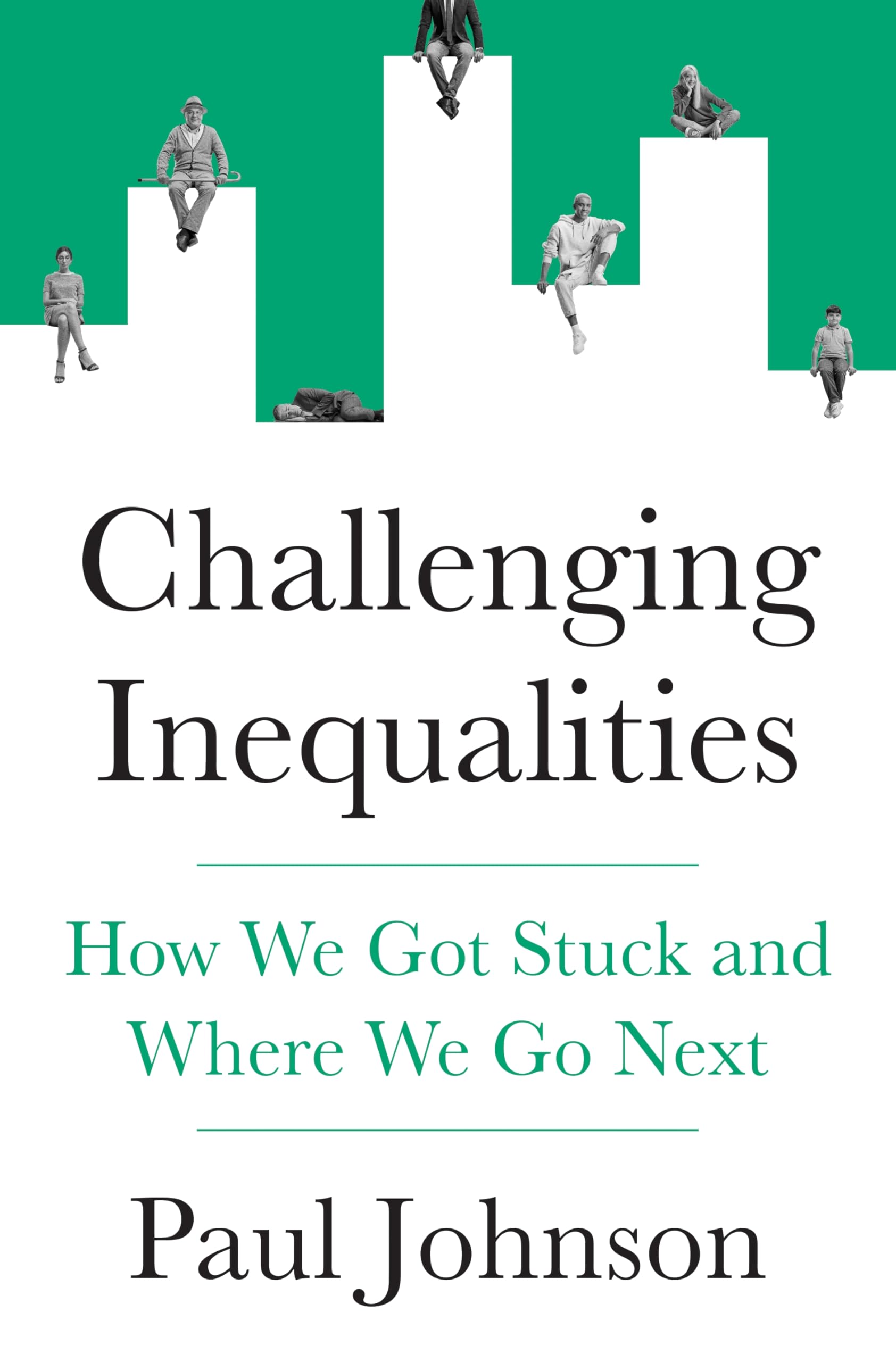



A comprehensive look at inequalities and why they matter There is a widespread sense throughout the developed world that progress towards a better society has stalled. Many countries, including the UK, have experienced persistent economic stagnation accompanied by declining trust in institutions. Governments are struggling to respond not only to traditional economic problems but also to newer challenges posed by climate change, migration and technological change. Challenging Inequalities connects these conditions to inequality—inequality not just of income and wealth but of health, political participation and opportunity. It not only offers a detailed analysis of the different forms of inequalities but also an in-depth consideration of why inequalities matter, how they have changed and what can, or should, be done about them. The book explains the enduring effects of early life experiences and education and examines the trends in employment and earnings over recent decades. It argues that economic stagnation since the financial crises of 2008–2009 has exposed inequalities originating in the 1980s. Not only have incomes stagnated, but so has progress towards reducing health inequalities and dealing with inequalities across gender, ethnicity, geography, age and educational level. The combination of earnings inequality and economic stagnation has led to the growing importance of wealth, the increasing concentration of economic power in an older generation and a decline in social mobility. Economic inequalities have also resulted directly in dangerous differences between regions and in political power across groups. The need to address inequality has never been more urgent. Challenging Inequalities offers a road map for how we have arrived at such a perilous spot—and how we can change course to achieve better outcomes for all. “Startlingly uncomfortable facts about Britain’s solidifying inequality make this succinct yet encyclopaedic account of widening gaps compulsory reading. Here’s a challenge to politicians: no, their oft-sought ‘equality of opportunity’ is impossible without addressing unequal education, health, working life and geography, while family circumstances determine futures more certainly than fifty years ago. As compelling as it is alarming, this book will be the benchmark for all intending to confront a profound social and economic crisis that is already endangering democracy.”— Polly Toynbee, author of The Only Way Is Up: How to Take Britain from Austerity to Prosperity “Paul Johnson and this stellar academic team tackle the great central dilemma of globalisation—how to achieve wider economic well-being without leaving half of society behind. Challenging Inequalities is a clear signal of hope, expressed in language that anyone can understand, in a world awash in noise and gobbledegook. Above all it is a reminder that leadership and honesty need not be at war with each other.”— Trevor Phillips, Sky News presenter “This superb critique of British public policy is a must-read.”— Paul Collier, author of Left Behind: A New Economics for Neglected Places “This wonderfully clear and readable little book provides a masterful overview of how the nature of inequality has changed in recent decades. Crucially, it shows how our current combination of economic stagnation with historic inequalities has driven social and political fragmentation. Returning to economic growth is a prerequisite for tackling our deepest social problems.”— Matthew Syed, author of Rebel Ideas: The Power of Diverse Thinking “Deeply thoughtful and hugely informative. This magisterial study shows clearly how the different dimensions of inequality are interlinked and how they need tackling.”— Richard Layard, coauthor of Wellbeing: Science and Policy “This book offers a deep analysis on inequality: not only what the challenges are, but also the solutions, presented in an evidence-based and balanced way. This is a must-read for anyone concerned about inequality and what we should all be doing about it.”— Devi Sridhar, author of How Not to Die (Too Soon): The Lies We’ve Been Sold and the Policies That Can Save Us “An extraordinary achievement—authoritative, comprehensive and agenda-setting. Remarkable for both its rigour and breadth, this book tackles not just what has happened to inequality but why it matters, recognising that inequality is about power and respect as much as income and wealth. A gift to anyone serious about creating a better society.”— Daniel Chandler, author of Free and Equal: A Manifesto for a Just Society “Economic inequalities matter. But as these authors lay out so clearly, what matters more than ‘the details of the counting house’ are the consequences of inequality for wealth, health and political participation. The growth of wealth inequalities alongside, in the UK, a near twenty-year period of stagnation, mean fewer life chances for today’s children, unequal participation in the bene