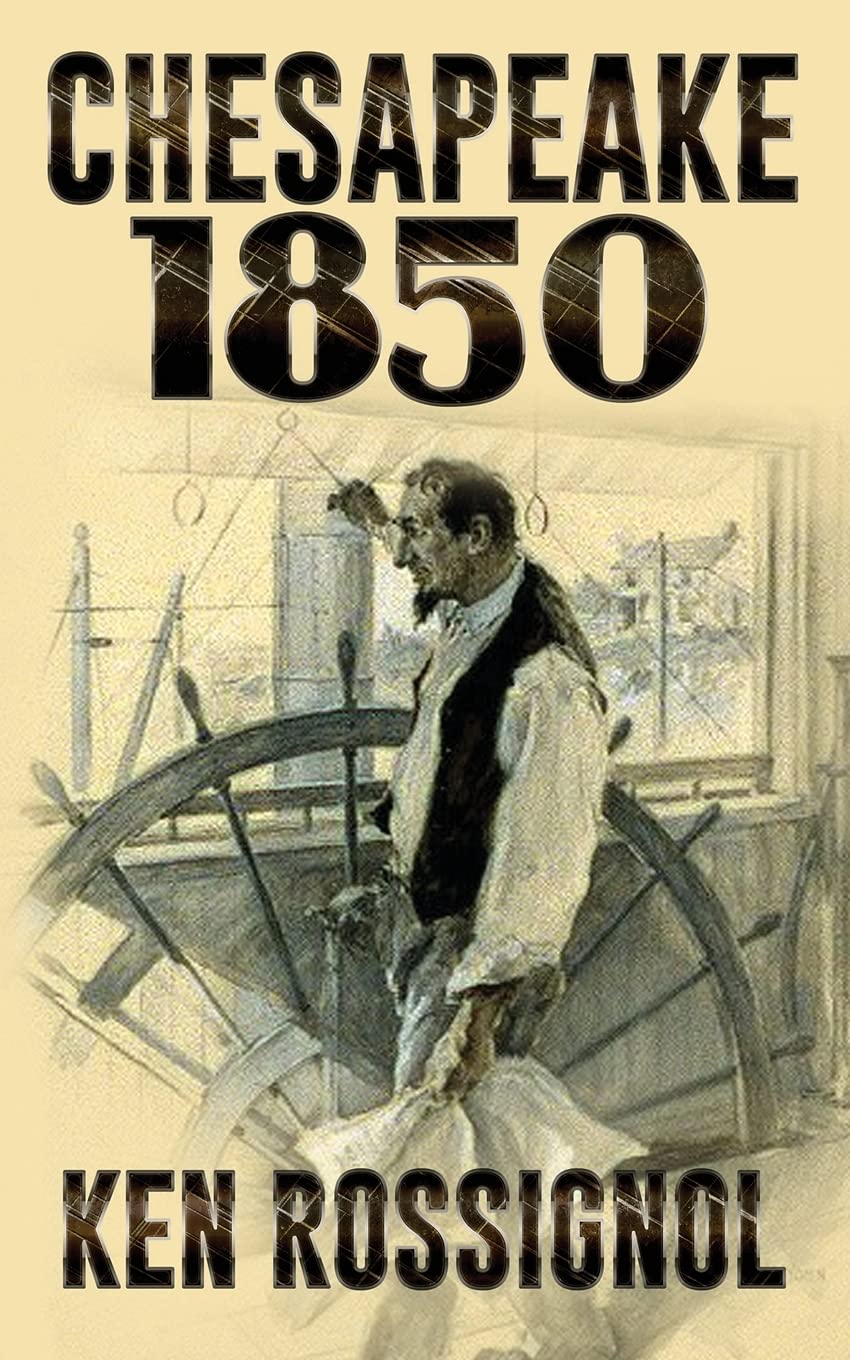



The life of Ethan Aaron Douglas is chronicled as the ten-year-old joins his grandfather for a life on the Chesapeake Bay. With his grandfather as captain of a steamboat traveling between Norfolk, Washington, D.C. and Baltimore, the boy learns quickly about life on the water. From hurricanes to blue crabs life on the Bay changes quickly. Learning Shakespeare and witnessing a hanging are just part of the life along the river. Ethan Douglas' life brushes past major events in the United States from slavery to the underground railroad and the days leading up to the civil war. How did those who lived along the Potomac deal with active warfare during the War Between the States? Life was always a war on the water with pirates shooting at each other as well as Maryland and Virginia oyster police. Ethan's younger brothers and sisters soon join him as they grow older and become entrepreneurs as the nation's capital city grows and changes. From buyboats to newspapers the lives of the Douglas family become part of the history of the young nation. Oysters were the "white gold" of the east while railroads and shipping competed for freight. This book is the first in the series that will tell the story of life in the tidewater Chesapeake Bay region from 1850 to 1950. Ken Rossignol's new series is off to a great start with Chesapeake 1850, the tale of Ethan Douglas from his days as a 10 year old cabin boy on his grandfather's Chesapeake Bay steamship before the Civil War, through his rise to become a wealthy ship owner. The young boy witnesses everything from a hanging to hurricanes, to bloody Oyster Wars, and meets the love of his life and later marries her. The author does an excellent job of bringing history to life in an entertaining and captivating way that keeps you reading from start to finish.Good work New York Times best-selling author Nick Russell As I live on the Chesapeake Bay, I am familiar with the places and historical events mentioned here. The book shows life on the Bay similar to the stories I have heard most of my life. The characters could have been relatives brought back from the past. This is a well crafted story. "I totally loved the fact that Ethan was a newspaper reader for the passengers on board the steamboat. The times before and subsequent to the Civil War, newspaper articles are both entertaining and informative. This is an excellent book for anyone interested in these times and especially recommended for the young reader. It is a remarkable fun book to read and sets out a sort of story of growing success and successes of Ethan Douglas' siblings. I learned some things about the history of the Bay, namely the wars between Oystermen and how incredibly lawless they were." - Anthony T. Riggio How did people who lived during the period just before, during and immediately after the Civil War survive? Not everyone was a soldier under Lee or Grant or charged with Pickett through the fields at Gettysburg or died at Chancellorsville. Many simply led simple lives and went about their everyday business of living in the Chesapeake Bay region. This book is about a family who found a way to prosper while dodging bullets of both sides in the War Between the States and sidestepping the vicious actions of oyster pirates and the fury of hurricanes and sudden fires. This is the first in the series of the chronicles of the Douglas family. This book, while historical fiction about the Douglas family, accurately depicts history of the nation, in many cases, drawing upon the newspapers of the era, thanks to the wonderful efforts of the Library of Congress. Thank you for reading and I hope you will join us later this year for Chesapeake 1880. Ken Rossignol A young boy of about fifteen threw out his gun and came up the ladder. Robert brought him aboard the Maryland Lady while our deckhands secured a tow line to the Mabel Ann , which was a boat from Piney Point, Maryland. The small boat had no markings on it and was likely either a pirate vessel or simply out to capture a prize for the Confederates. Whichever was the case, we weren't about to tow it back to Virginia--not during a war-- so it remained adrift. Either the Confederates or the vultures would find the boat as the tide carried it to the Virginia shore. It took us about an hour to reach Piney Point, and we ran up St. George Creek 'til we arrived at where the lad said his father's dock was located. George Goddard, his father, and three other men lay dead after having been ambushed. That day had been the deadliest in the Oyster Wars. Young Tom Goddard had just become the youngest captain in that area. He was the oldest son and would need to continue working the water to support his mother and three sisters. We helped young Tom unload the bodies of his father and his crew, then we bought his load of oysters and transferred the catch into our hold. The Yankees were building a prison camp and hospital down at Point Lookout, and lots of ships wer