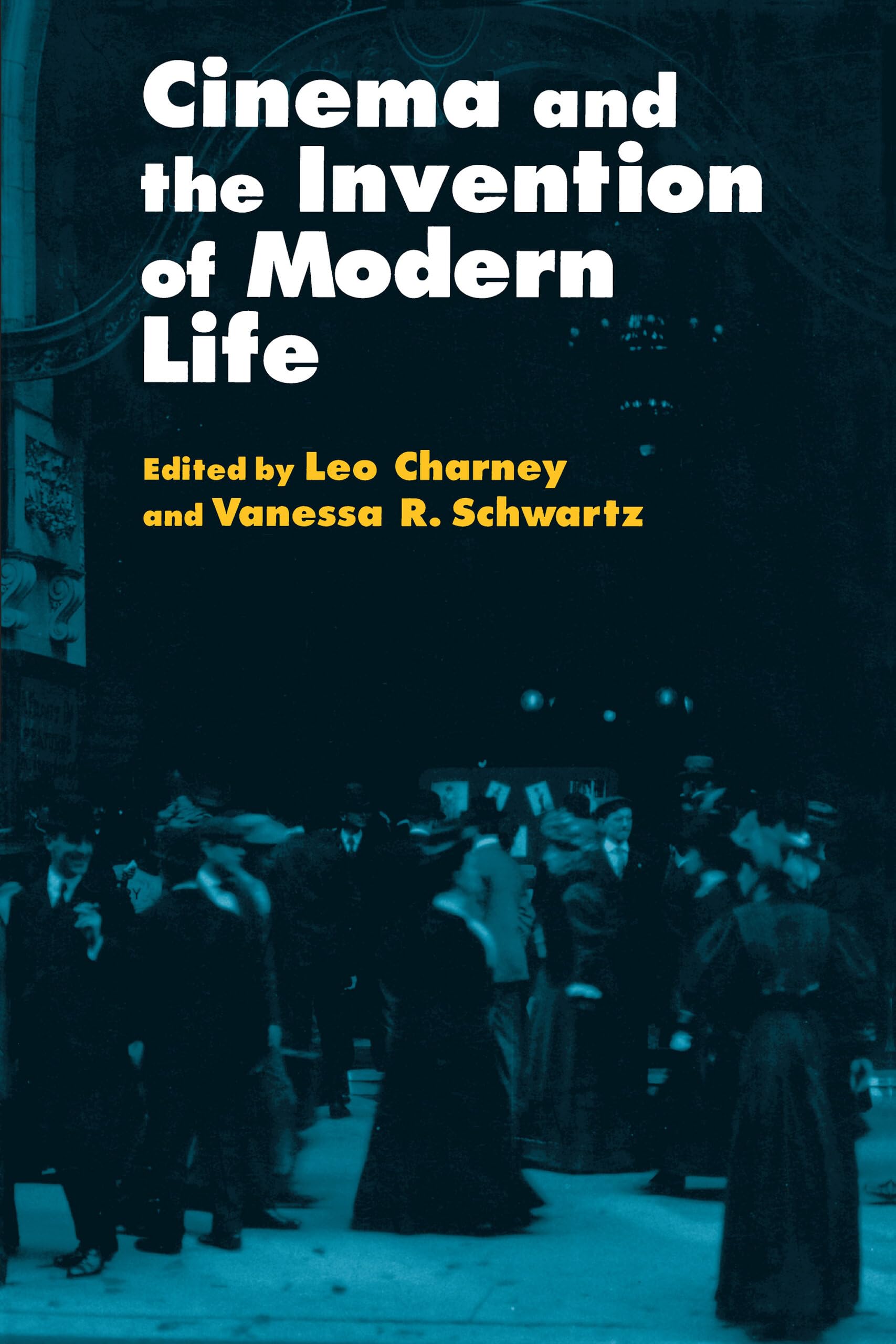



Casting aside the traditional conception of film as an outgrowth of photography, theater, and the novel, the essays in this volume reassess the relationship between the emergence of film and the broader culture of modernity. Contributors, leading scholars in film and cultural studies, link the popularity of cinema in the late nineteenth century to emerging cultural phenomena such as window shopping, mail-order catalogs, and wax museums. This anthology, intended to illustrate how "modernity can best be understood as inherently cinematic," is more precisely described as a series of essays on late 19th- and early 20th-century U.S. and European cultural history. The effectively illustrated book contains exceptionally interesting essays on early photography and police work, the early mass media's focus on the dangers of city life, the promotion of Selfridge's department store, Pathe's intrusion into the U.S. film market, the Paris morgue, Scandinavian folk museums, Sigfried Kracauer's writings on the range of this period's culture and consumption, and more. Editors Charney and Schwartz are assistant professors of film studies and history, respectively. As an interdisciplinary academic work, this will be of interest to students and scholars in film studies, art, and cultural history. Recommended for larger academic collections.?Jane E. Sloan, Rutgers Univ. Libs., New Brunswick, N.J. Copyright 1996 Reed Business Information, Inc. "This is one of the finest, freshest, and most suggestive anthologies I've come across in recent years."Stuart Liebman, City University of New York Graduate Center" "This is one of the finest, freshest, and most suggestive anthologies I've come across in recent years."―Stuart Liebman, City University of New York Graduate Center Leo Charney is a postdoctoral fellow at the University of Iowa and Vanessa R. Schwartz is Assistant Professor of History at The American University in Washington, D.C.