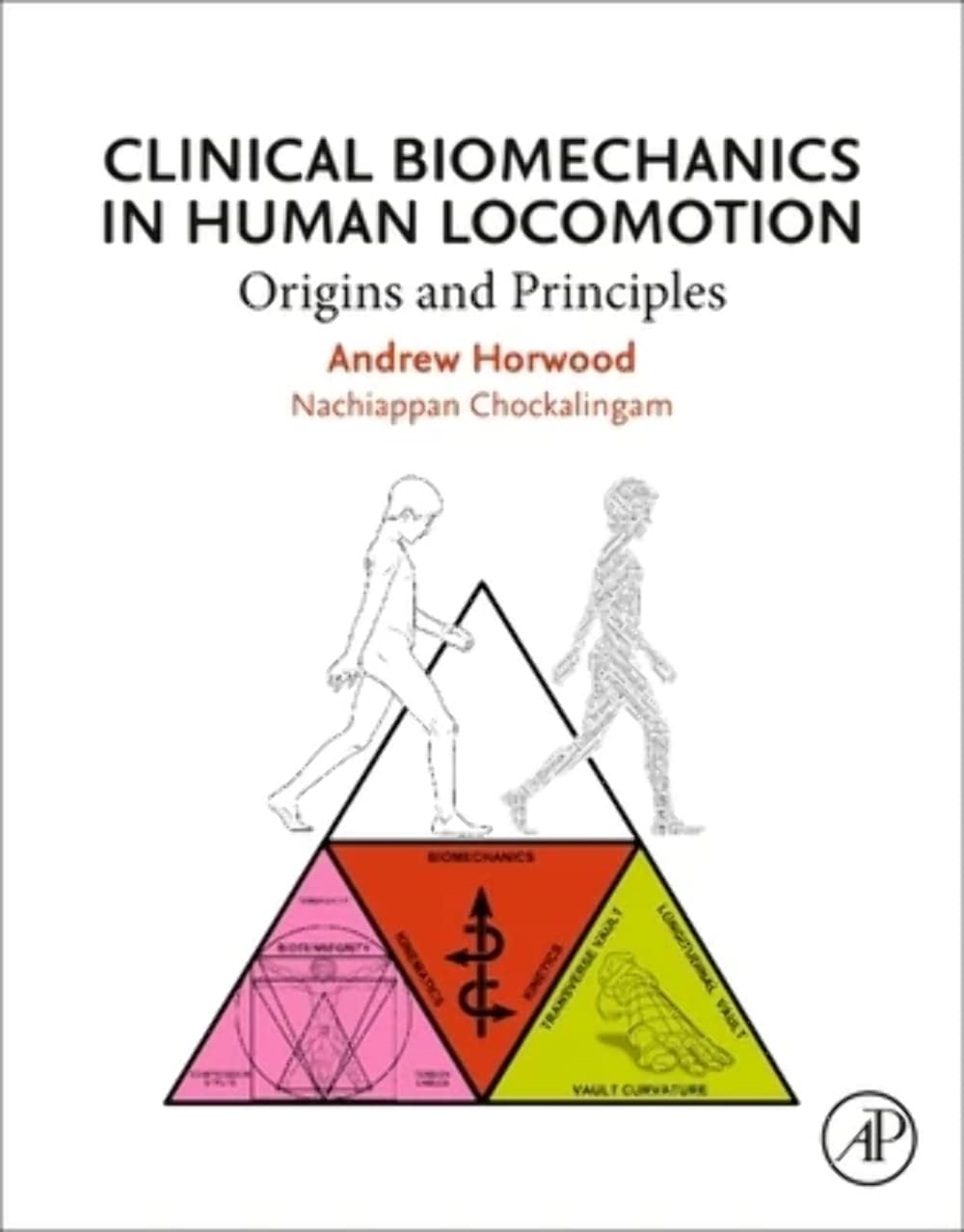
Clinical Biomechanics in Human Locomotion: Origins and Principles
$105.00
by Andrew Horwood



Origins and Principles of Clinical Biomechanics in Human Locomotion discusses key concepts of how biomechanics links to the development of pathology through mechanical laws, anatomy, physiology and health. It provides fundamental principles and practical data, and guidance of how to apply these in the clinical biomechanics field. Coverage includes: major joint movement, muscle action around joints, physiology and patho-physiology of bone, muscle and neurologic disorders. This reference is ideal for teaching students in biomechanics, orthopedics and physiotherapy. It should also be of interest to product development engineers, rehabilitation engineers, those working in prosthetics and orthotics, physiotherapists and occupational therapists. The authors explore the simple laws of motion as applied to anatomy and physiology, in order to help readers understand human pathology within the human lower limb and mobility. They then go on to look at materials science concerns within this field, such as engineering stresses and strains, principles and types of material properties and the shaping of structural properties. Readers will also find within this book information on tissue science, force generation, biological sciences, evolution in biomechanics, human gait, functional units of the lower limb and foot, and finally pathomechanical principles; all as applied to clinical biomechanics. Bridges the void between research biomechanics and clinically applied biomechanics - Links human locomotive biomechanics to medicine, physiology and evolutionary anatomy and medicine - Prepares students, bioengineers and clinicians for the reality of utilizing biomechanical principles in clinical practice, while informing researchers of the environment limits that most clinical biomechanics practice occurs in "An extensive text that provides clinicians, researchers, product developers and students with detailed information on the core principles that underpin human locomotion. It is a heavy volume - both in weight and content - but full of valuable information... The critical writing, based on research evidence, is moderately easy to read, with an understanding of science essential to comprehend the arguments... There are detailed explanations of mechanics focusing, of course, on motion. Equally the inclusion of material stress, strain and properties will give anyone an extensive understanding of topics, from the behaviour of human collagen to manufacturing polyethylene." --Dr. Helen Branthwaite, The Podiatrist Bridges the void between research biomechanics and clinically applied biomechanics Clinical Biomechanics in Human Locomtion: Origins and Principles discusses key concepts of how biomechanics links to the development of pathology through mechanical laws, anatomy, physiology and health. It provides fundamental principles and practical data, and guidance of how to apply these in the clinical biomechanics field. Coverage includes: major joint movement, muscle action around joints, physiology and patho-physiology of bone, muscle and neurologic disorders. This reference is ideal for teaching students in biomechanics, orthopedics and physiotherapy. It should also be of interest to product development engineers, rehabilitation engineers, those working in prosthetics and orthotics, physiotherapists and occupational therapists. The authors explore the simple laws of motion as applied to anatomy and physiology, in order to help readers understand human pathology within the human lower limb and mobility. They then go on to look at materials science concerns within this field, such as engineering stresses and strains, principles and types of material properties and the shaping of structural properties. Readers will also find within this book information on tissue science, force generation, biological sciences, evolution in biomechanics, human gait, functional units of the lower limb and foot, and finally pathomechanical principles; all as applied to clinical biomechanics. • 32 years of working experience in clinical biomechanics treating patients • Designed and currently leading a PG module at Staffordshire University, titled “Principles of Biomechanics. • Designed and involved in the delivery of a PG MSc level module titled “Origins and Principles of Clinical biomechanics at Staffordshire University, since 1999. • Guest lecturer as School of Podiatry, Caledonia University Glasgow • Published theoretical and clinical papers on clinical biomechanics. Dr. Chockalingam is a Fellow of the Institute of Physics and Engineering in Medicine. He is also a Chartered Engineer, a Chartered Scientist and a Principal Fellow of the Higher Education Academy. As Professor of Clinical Biomechanics, he directs the Movement Analysis Laboratory and lead the biomechanics team and research at Staffordshire University. He is also an Affiliate Professor at the Faculty of Health Sciences, University of Malta and a Visiting Professor at the Depart