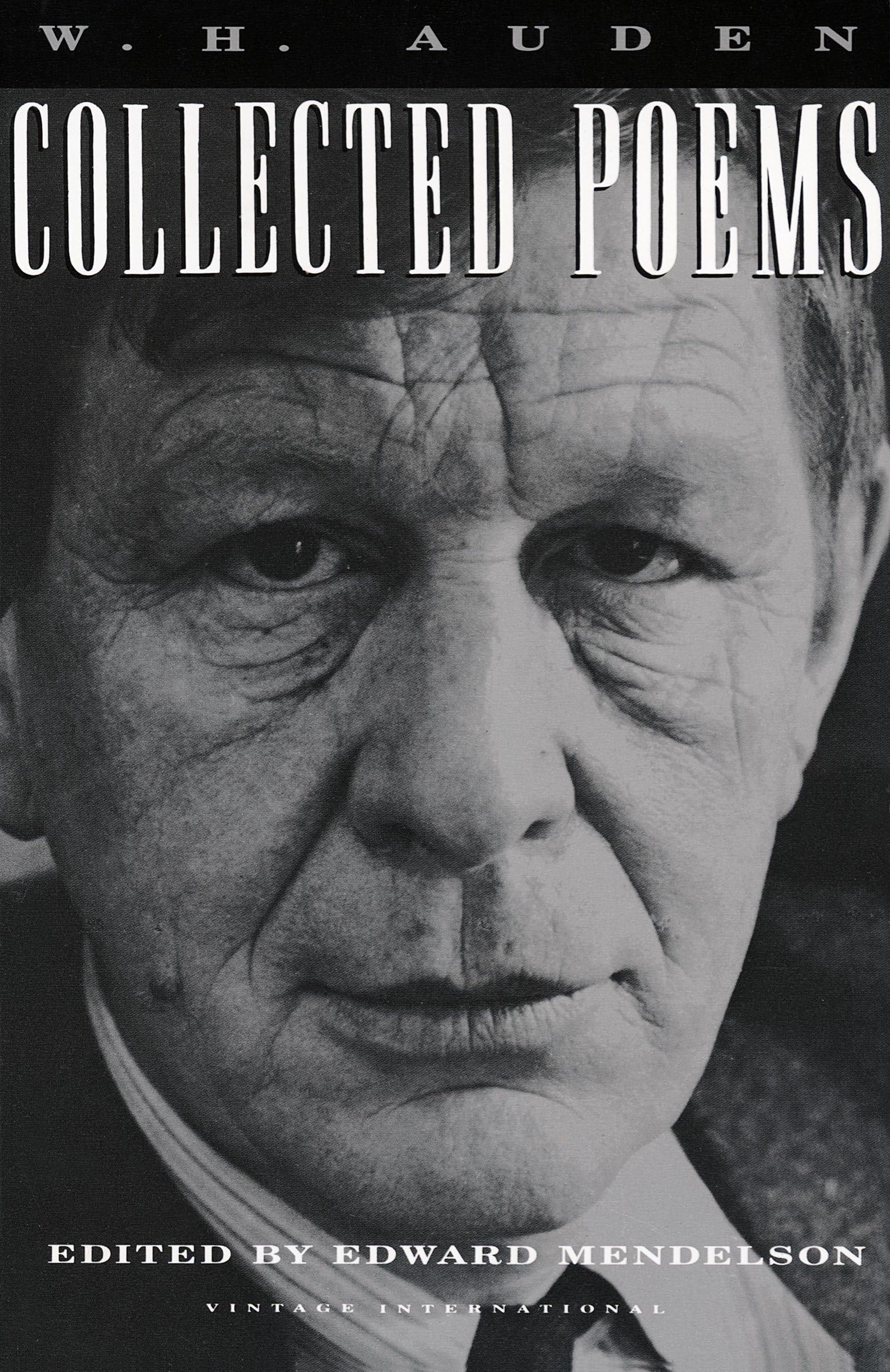



Between 1927 and his death in 1973, W. H. Auden endowed poetry in the English language with a new face. Or rather, with several faces, since his work ranged from the political to the religious, from the urbane to the pastoral, from the mandarin to the invigoratingly plain-spoken. This collection presents all the poems Auden wished to preserve, in the texts that received his final approval. It includes the full contents of his previous collected editions along with all the later volumes of his shorter poems. Together, these works display the astonishing range of Auden's voice and the breadth of his concerns, his deep knowledge of the traditions he inherited, and his ability to recast those traditions in modern times. Between 1927 and his death in 1973, W. H. Auden endowed poetry in the English language with a new face. Or rather, with several faces, since his work ranged from the political to the religious, from the urbane to the pastoral, from the mandarin to the invigoratingly plain-spoken. This collection presents all the poems Auden wished to preserve, in the texts that received his final approval. It includes the full contents of his previous collected editions along with all the later volumes of his shorter poems. Together, these works display the astonishing range of Auden's voice and the breadth of his concerns, his deep knowledge of the traditions he inherited, and his ability to recast those traditions in modern times. Between 1927 and his death in 1973, W. H. Auden endowed poetry in the English language with a new face. Or rather, with several faces, since his work ranged from the political to the religious, from the urbane to the pastoral, from the mandarin to the invigoratingly plain-spoken. This collection presents all the poems Auden wished to preserve, in the texts that received his final approval. It includes the full contents of his previous collected editions along with all the later volumes of his shorter poems. Together, these works display the astonishing range of Auden's voice and the breadth of his concerns, his deep knowledge of the traditions he inherited, and his ability to recast those traditions in modern times. W. H. Auden was born in York, England, in 1907. His first book of poems was published in 1930, followed by a dozen volumes of shorter and longer poems. He collaborated on three plays with Christopher Isherwood and wrote books about his travels to Iceland (with Louis MacNeice) and wartime China (with Christopher Isherwood). In 1939 he settled in New York and became an American citizen in 1946. In collaboration with his companion Chester Kallman, he composed opera libretti for Igor Stravinsky, Hans Werner Henze, and Nicholas Nabokov. In 1972 Auden left his winter home in New York and returned to Oxford. He died in Vienna in 1973. Chapter 1 PART I PAID ON BOTH SIDES A Charade To Cecil Day-Lewis Characters LintzgarthNattrass John NowerAaron Shaw***** DickSeth Shaw George****The Spy—Seth’s Brother WalterBernard KurtSeth’s Mother*** CulleyAnne Shaw Stephen** Zeppel—John Nower’s Servant Number Six Sturton Joan—Mother of John Nower Trudy*** Father Christmas* The Doctor Bo**** Po***** The Man-Woman The Doctor’s Boy** The Photographer* The Announcer* The Chief Guest* The Butler* The Chorus The starred parts should be doubled [No scenery is required. The stage should have a curtained-off recess. The distinction between the two hostile parties should be marked by different coloured arm-bands. the chorus, which should not consist of more than three persons, wear similar and distinctive clothing.] [Enter trudy and walter.] trudy: You’ve only just heard? walter: Yes. A breakdown at the Mill needed attention, kept me all morning. I guessed no harm. But lately, riding at leisure, Dick met me, panted disaster. I came here at once. How did they get him? trudy: In Kettledale above Colefangs road passes where high banks overhang dangerous from ambush. To Colefangs had to go, would speak with Layard, Jerry and Hunter with him only. They must have stolen news, for Red Shaw waited with ten, so Jerry said, till for last time unconscious. Hunter was killed at first shot. They fought, exhausted ammunition, a brave defence but fight no more. walter: Has Joan been told yet? trudy: Yes. It couldn’t be helped. Shock, starting birth pangs, caused a premature delivery. walter: How is she? trudy: Bad, I believe. But here’s the doctor. [Enter doctor.] Well, Doctor, how are things going? doctor: Better thanks. We’ve had a hard fight, but it’s going to be all right. She’ll pull through and have a fine infant as well. My God, I’m thirsty after all that. Where can I get a drink? walter: Here in the next room, Doctor. [Exeunt. Back curtains draw. joan with child and corpse.] joan: Not from this life, not from this life is any To keep; sleep, day and play would not help there, Dangerous to new ghost; new ghost learns from many, Learns from old termers what dea