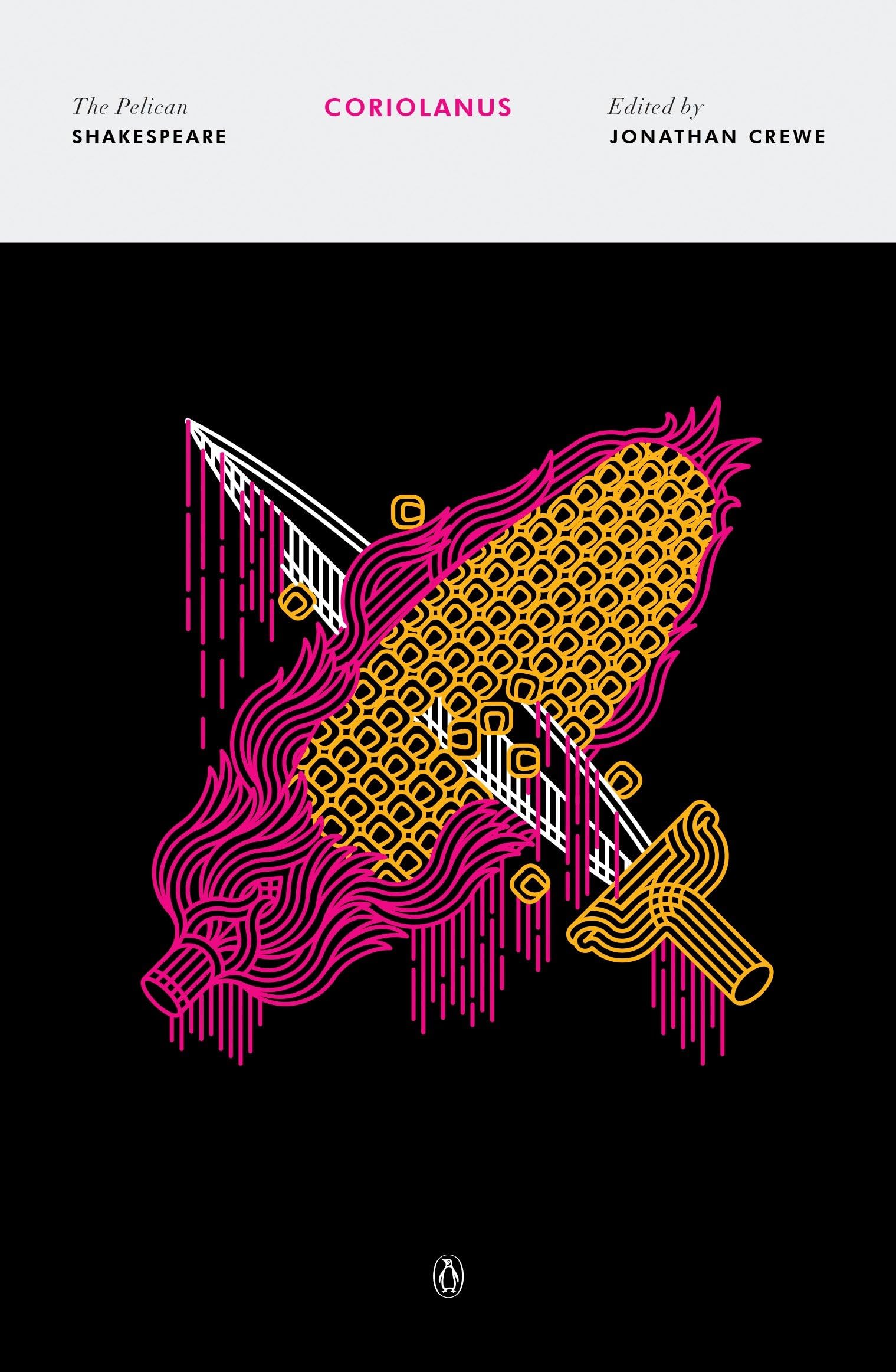



The acclaimed Pelican Shakespeare series edited by A. R. Braunmuller and Stephen Orgel The legendary Pelican Shakespeare series features authoritative and meticulously researched texts paired with scholarship by renowned Shakespeareans. Each book includes an essay on the theatrical world of Shakespeare’s time, an introduction to the individual play, and a detailed note on the text used. Updated by general editors Stephen Orgel and A. R. Braunmuller, these easy-to-read editions incorporate over thirty years of Shakespeare scholarship undertaken since the original series, edited by Alfred Harbage, appeared between 1956 and 1967. With definitive texts and illuminating essays, the Pelican Shakespeare will remain a valued resource for students, teachers, and theater professionals for many years to come. For more than seventy years, Penguin has been the leading publisher of classic literature in the English-speaking world. With more than 1,800 titles, Penguin Classics represents a global bookshelf of the best works throughout history and across genres and disciplines. Readers trust the series to provide authoritative texts enhanced by introductions and notes by distinguished scholars and contemporary authors, as well as up-to-date translations by award-winning translators. “Gorgeous new Shakespeare paperbacks.” —Marlon James, author of A Brief History of Seven Killings “I have been using the Pelican Shakespeare for years in my lecture course--it's invaluable, the best individual-volume series available for students.” — Marjorie Garber, William R. Kenan, Jr. Professor of English and Visual and Environmental Studies, Harvard University William Shakespeare was born in Stratford-upon-Avon in April, 1564, and his birth is traditionally celebrated on April 23. The facts of his life, known from surviving documents, are sparse. He died on April 23, 1616, and was buried in Holy Trinity Church, Stratford. A. R. Braunmuller is Distinguished Professor of English and Comparative Literature at the University of California at Los Angeles. He has written critical volumes on George Peele and George Chapman and has edited plays in both the Oxford ( King John ) and Cambridge ( Macbeth ) series of Shakespeare editions. He is also general editor of The New Cambridge Shakespeare. Stephen Orgel is the Jackson Eli Reynolds Professor of the Humanities at Stanford University and general editor of the Cambridge Studies in Renaissance Literature and Culture. His books include Imagining Shakespeare , The Authentic Shakespeare , Impersonations: The Performance of Gender in Shakespeare’s England and The Illusion of Power . The Tragedy of Coriolanus ¥ I.1 Enter a company of mutinous Citizens, with staves, clubs, and other weapons. first citizen Before we proceed any further, hear me speak. all Speak, speak. first citizen You are all resolved rather to die than to famish? all Resolved, resolved. first citizen First, you know Caius Martius is chief enemy to the people. all We know't, we know't. first citizen Let us kill him, and we'll have corn at our own price. Is't a verdict? 10 11 all No more talking on't! Let it be done! Away, away! 12 second citizen One word, good citizens. first citizen We are accounted poor citizens, the patricians good. What authority surfeits on would relieve us. If they would yield us but the superfluity while it were wholesome, we might guess they relieved us humanely, but they think we are too dear. The leanness that afflicts us, the object of our misery, is as an inventory to particularize their abundance; our sufferance is a gain to them. Let us revenge this with our pikes ere we become rakes; for the gods know I speak this in hunger for bread, not in thirst for revenge. 15 16 18 19 20 21 22 second citizen Would you proceed especially against Caius Martius? all Against him first. He's a very dog to the commonalty. 26 second citizen Consider you what services he has done for his country? 27 first citizen Very well, and could be content to give him good report for't, but that he pays himself with being proud. 30 second citizen Nay, but speak not maliciously. first citizen I say unto you, what he hath done famously, he did it to that end. Though soft-conscienced men can be content to say it was for his country, he did it to please his mother and to be partly proud, which he is, even to the altitude of his virtue. 35 38 second citizen What he cannot help in his nature, you account a vice in him. You must in no way say he is covetous. 40 41 first citizen If I must not, I need not be barren of accusations. He hath faults, with surplus, to tire in repetition. Shouts within. What shouts are these? The other side o' th' city is risen. Why stay we prating here? To th' Capitol! 46 all Come, come! first citizen Soft, who comes here? 48 Enter Menenius Agrippa. second citizen Worthy Menenius Agrippa,