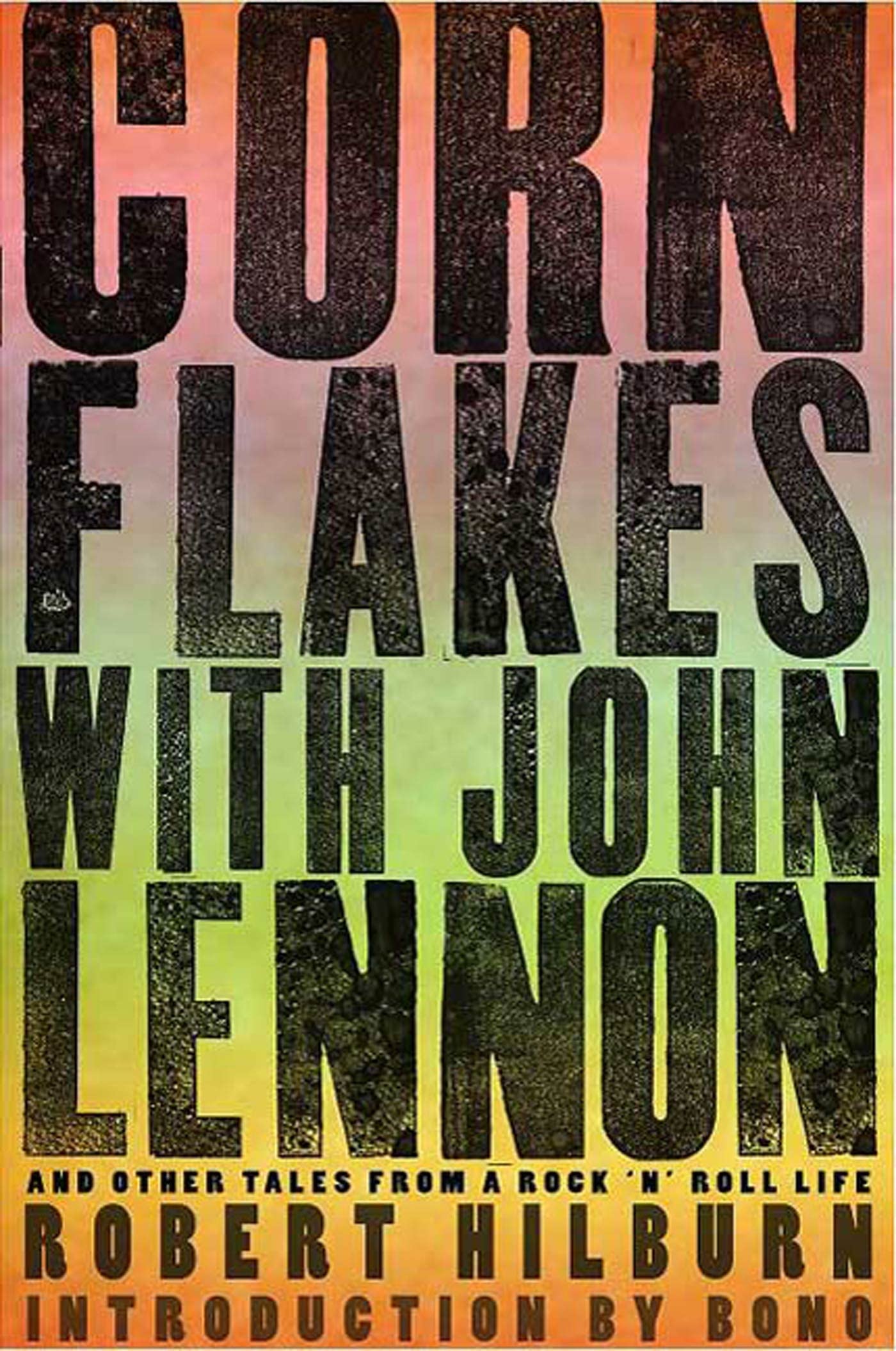
Corn Flakes with John Lennon: And Other Tales from a Rock 'n' Roll Life
$23.93
by Robert Hilburn



Robert Hilburn's storied career as a rock critic has allowed him a behind-the-scenes look at the lives of some of the most iconic figures of our time. He was the only music critic to visit Folsom Prison with Johnny Cash. He met John Lennon during his lost weekend period in Los Angeles and they became friends. Bob Dylan granted him his only interviews during his "born-again" period and the occasion of his 50th birthday. Michael Jackson invited Hilburn to watch cartoons with him in his bedroom. When Springsteen took to playing only old hits, Hilburn scolded him for turning his legendary concerts into oldies revues, and Springsteen changed his set list. In this totally unique account of the symbiotic relationship between critic and musical artist, Hilburn reflects on the ways in which he has changed and been changed by the subjects he's covered; Bono weighs in with an introduction about how Hilburn's criticism influenced and altered his own development as a musician. Corn Flakes with John Lennon is more than about one man's adventures in rock and roll: It's the gripping and untold story of how popular music reshapes the way we think about the world and helps to define the modern American character. “[Hilburn] was always looking for subject matter that was fresh and patiently observed, what Van Morrison described as 'the inarticulate speech of the heart.' U2 was shambolic and erratic, but he seemed to see the 'what might be' in the 'what was.' Bob's role as a critic was to encourage the suspension of disbelief not just in the audience, but in the artist as well. That is an environment in which music grows. He made us better.” — Bono, from the introduction “So many great memories came flooding back to me when I read Corn Flakes With John Lennon. A must read for genuine music lovers.” —Elton John “It's impossible to read this book and not encounter passages that surprise, sadden and hearten. It's also impossible to read Corn Flakes With John Lennon and not recognize Robert Hilburn as the greatest interviewer in rock & roll history.” —Mikal Gilmore, author of Shot in the Heart and Night Beat: A Shadow History of Rock and Roll “Hilburn's amazing resilience and commitment for music shines through his decades of reportage and reviews of music. On behalf of the musicians of the 60's on, I thank you for having been the communicator of our music with love. ” —yoko ono summer of 2009 “Beautifully written, and passionately told, this book captures the very essence of what it means to be someone who loves music.” —Charles R. Cross, author of Heavier Than Heaven and Room Full of Mirrors “I never gave a damn for rock criticism until I read Robert Hilburn” —Bernie Taupin ROBERT HILBURN, the long-time pop music critic and editor of the Los Angeles Times , is one of the most widely read and respected pop writers of the rock and roll era. His reviews and artist profiles have appeared in hundreds of publications around the world. Hilburn is a member of the Rock and Roll Hall of Fame nomination committee. He lives in Los Angeles CHAPTER ONE John Lennon raced into Yoko Ono's home office in the mammoth old Dakota building with a copy of Donna Summer's new single, "The Wanderer." "Listen!" he shouted as he put the 45 on the record player. "She's doing Elvis!" I didn't know what he was talking about at first. The arrangement felt more like rock than the singer's usual electro-disco approach, but the opening vocal sure sounded like Donna Summer to me. Midway through the song, however, her voice shifted into the playful, hiccuping style Elvis had used on so many of his early recordings. "See! See!" John said, pointing at the speakers. The record was John's way of saying hello again after five years. I had spent time with him in Los Angeles in the mid-1970s, during the period he later referred to as his "lost weekend"--months when he was estranged from Yoko and spent many a night in notorious drinking bouts with his buddies Harry Nilsson and Ringo Starr. John got so boisterous one night that he was thrown out of the Troubadour, one of the city's landmark music clubs. He invited me to dinner a few times, and I later found out it was when he had an important business meeting the next morning and didn't want to wake up with a hangover. I got the nod over Harry and Ringo because I didn't drink anything stronger than Diet Coke. We would eat at a chic Chinese restaurant and then return to his suite at the Beverly Wilshire Hotel. Those hours would race by because we loved talking about our favorite rock hero, Elvis, which brings us back to "The Wanderer." I've experienced hundreds of memorable concert and interview moments, so it's hard to rank them in any favorite order, but my final hours with John in New York are certainly on the short list. It was just weeks before his death in December of 1980, and his playing the Summer record was an endearing greeting--and one that was typical of John. Of the hundreds of musicians I've