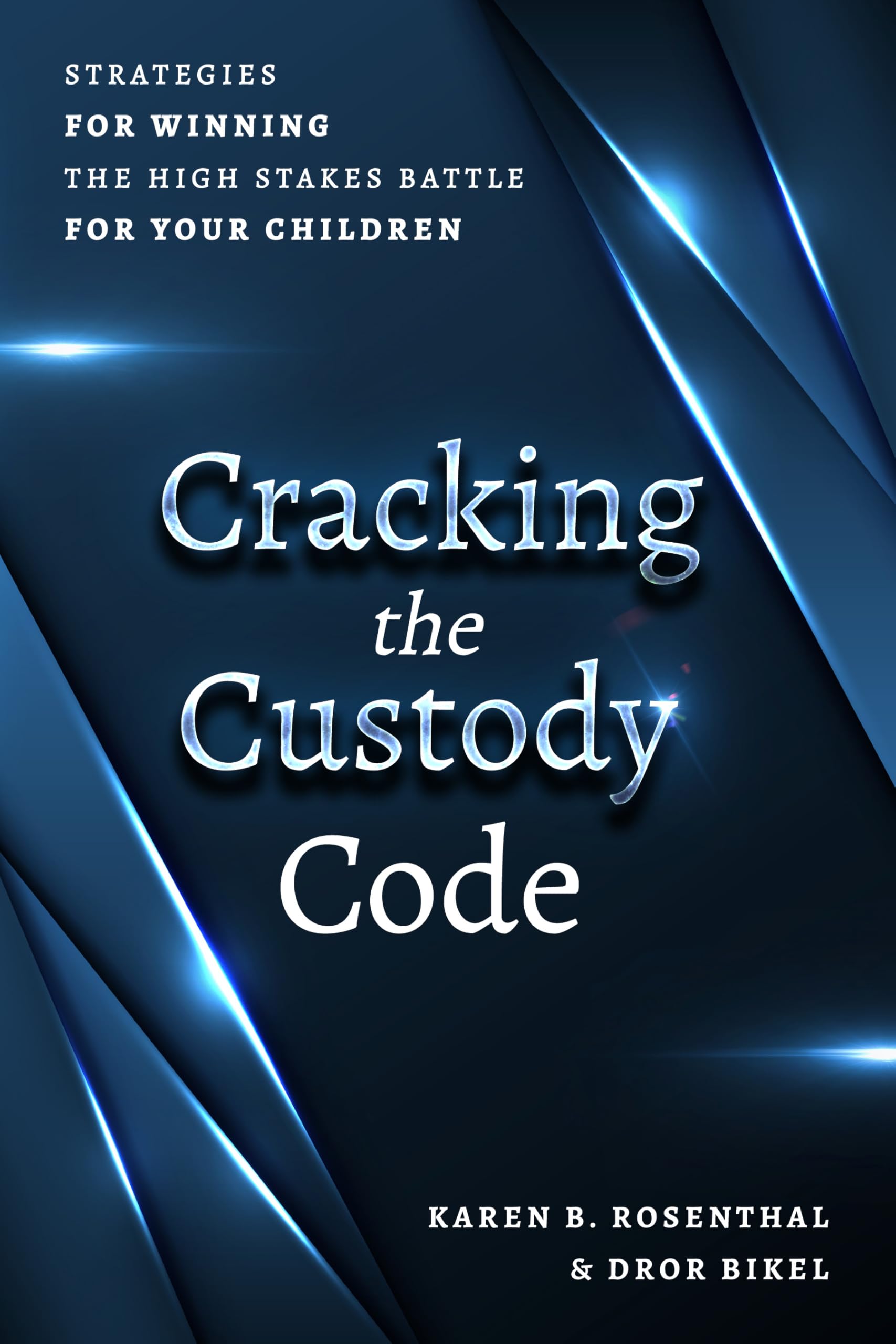



Book on child custody law Two of New York's top Child Custody Attorneys tell all about how custody cases are lost and won. Protect your children and eliminate surprises in child custody litigation. Learn about the system's ins and outs, how to wor with family court judges, attorneys for the child, expert witnesses, and mediators, and when to negotiate out of court, settle, or go to trial. Rich in case law and compelling real-life stories, Cracking the Custody Code delivers the ultimate step-by-step formula for showcasing your strengths as a parent and avoiding costly errors. Whether you are married to your children's other parent, in a same-sex partnership, looking for grandparent visitation, or dealing with child abuse and restraining orders, this book can help you gain a strategic advantage in your child custody case. Child custody decisions revolve around several key concepts. The "Best Interests of the Child" standard is central to these decisions, which prioritizes the child's safety, stability, and emotional health. Legal custody grants a parent the right to decide issues regarding the child's upbringing, whereas physical custody governs the child's residence and access schedule. Temporary custody orders may be issued during ongoing proceedings to address immediate needs. Sometimes, a child's preferences can influence custody decisions, particularly as they mature. A clear grasp of these elements is essential for advocating effectively for your child's best interests. Karen B. Rosenthal, Esq., a co-founder of Bikel Rosenthal & Schanfield, LLP, is a New York City-based litigator who has practiced matrimonial law for more than 35 years. Her practice includes litigating/settling high-net-worth equitable distribution, contentious custody battles, spousal and child support, pre- and post-nuptial agreements, and separation agreements. She has been certified as an Attorney for the Child since 2005 and is consistently appointed by New York County judges and chosen by her peers to represent children in custody fights. A graduate of the Benjamin N. Cardozo School of Law, Ms. Rosenthal is dedicated to finding innovative ways to help children and families navigate family disputes successfully. She has been appointed to leadership positions in several family law organizations, including the New York State Bar Association Family Law Section and the Association of Family and Conciliation Courts (AFCC), and she has been honored by Super Lawyers, Crain's New York Business, Best Lawyers, and New York magazine, among others. She has lectured on the issues of parental alienation, Orders of Protection, shared parenting, blended families, and other topics related to children going through high-conflict divorce or separation. With a three-decade track record of resolving even the most contentious matrimonial law matters, Ms. Rosenthal’s goal is to provide skilled, compassionate representation to her clients. Dror Bikel is a trial lawyer and litigator specializing in the area of family law and questions related to custody, equitable distribution, child and spousal support, and paternity. Mr. Bikel graduated from the Benjamin N. Cardozo School of Law and is a founding partner of the Manhattan based firm, Bikel Rosenthal & Schanfield, LLP. He lectures to lawyers and mental health professionals in the area of trial practice and family law. As winner of the New York Super Lawyers award, Mr. Bikel has been voted by his peers and legal journalists as one of the top 5% family law attorneys in New York State. Mr. Bikel firmly believes that disputes in this area of law should be resolved in a dignified and humane manner. His almost 20 years of courtroom experience provide invaluable insight to help facilitate settlements, mediate disputes, and draft agreements. When matters do not settle, Mr. Bikel’s trial and litigation skill and experience provide superior results for his clients. The legal process of child custody involves several pathways to resolution. Alternatives to court, such as mediation and collaborative law, offer less adversarial methods for parents to negotiate custody agreements. If parents can reach an agreement, they can draft and submit it to the court for approval. If parents cannot reach an agreement, custody disputes may proceed to litigation, where a judge will decide based on the child's best interests. Custody agreements can be modified or amended over time if circumstances change. Filing for custody typically occurs in family court, where jurisdiction is determined based on various factors. Understanding aspects of the custody process—negotiation, litigation, and modification—is vital to effectively preparing and managing your case.