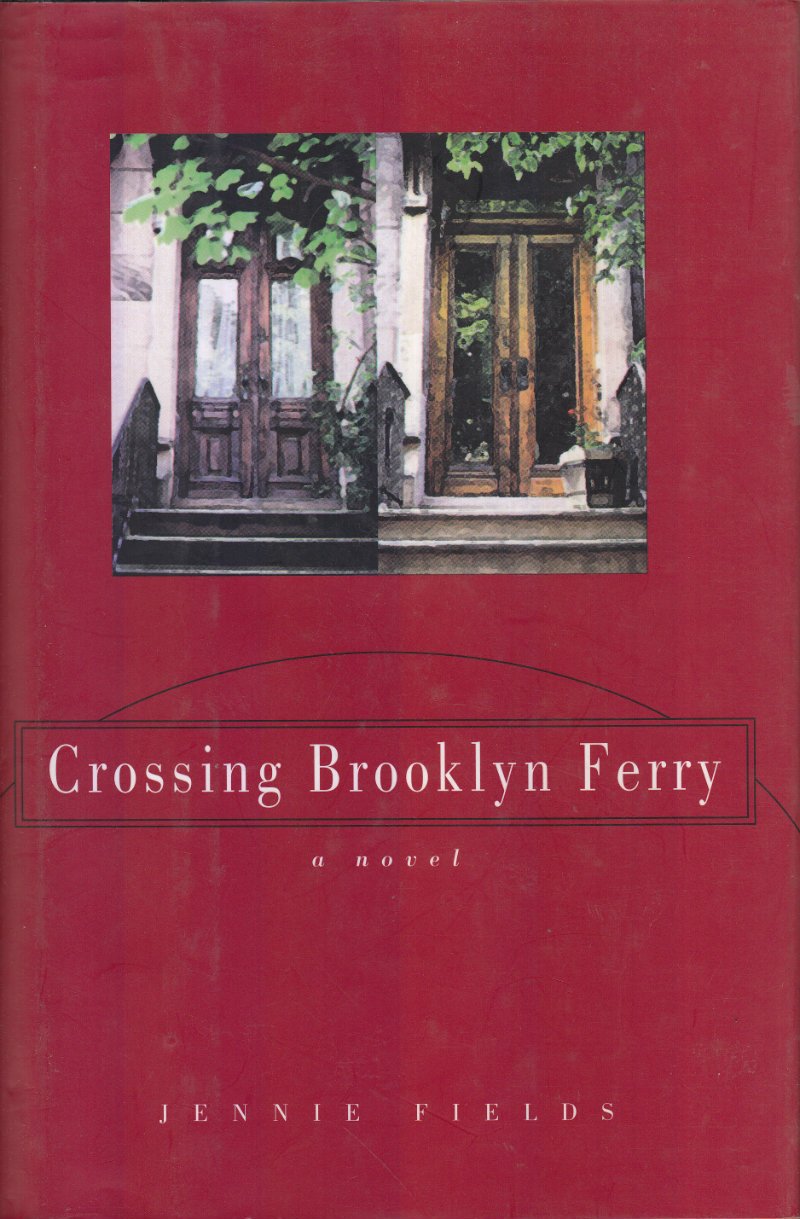



Escaping the narrow, wealthy life she led in Manhattan, Zoe Finney moves her family to a brownstone in working-class Park Slope, Brooklyn. A poor girl who has married into money, Zoe finds comfort and familiarity in the close-knit neighborhood. She hopes the change will reinvigorate her profoundly depressed husband and provide a happy place for Rose, her young daughter, to grow. Her arrival in the neighborhood alters the lives around her. The handsome schoolteacher next door, Keevan O'Connor, is deeply drawn to her, and despite Zoe's initial hesitation, they begin to fall in love. Rose is thrilled, recognizing in Keevan the warm, fun-loving father hers can never be. But others don't want this relationship to thrive: Keevan's unhappily married sister-in-law, Patty, who has secretly fallen in love with him; and Zoe's husband, who wakes from his depression to see his wife slipping away. Is it right for Zoe to turn from the man who's been her life for so long and start a new life with Keevan? But then again, how can two people so perfectly matched not spend their future together? Care to take an early spring ramble through a neighborhood of Brooklyn brownstones? Crossing Brooklyn Ferry opens languidly, as if a camera held in the distance panned slowly along the tree-lined street of Zoe Finnery's new neighborhood, where she's moved with her husband and 6-year-old daughter. A working-class gal and daughter of Holocaust survivors, Zoe has already transformed her life by marrying into wealth. But husband Jamie has slipped into a paralyzing depression, and perhaps this new move--from Manhattan affluence to Brooklyn blue-collar--sets into motion a case of romantic love to which Zoe hesitatantly succumbs. Her lover lives next door, is virile (this is a blue-collar neighborhood, after all), and reads good books by the likes of Jane Austen, Richard Russo, Thackeray, and Alison Lurie. In this second novel, Jennie Fields explores through different configurations the sexual themes established in her first novel, Lily Beach . But where the first dwelled in darkness (a woman's compulsive sexuality as pain medication), Crossing Brooklyn Ferry posits the lighter side of lust--transformation through romantic love. In the first work since her successful debut, Lily Beach (LJ 3/1/93), Fields takes her lead from the Walt Whitman poem "Crossing Brooklyn Ferry" to evoke the ongoing flow of lives and stories. Zosia Finney leaves upscale Manhattan with her husband and children to settle in an old Brooklyn neighborhood. Having journeyed through an emotionally starved working-class childhood and then married into a wealthy but equally cold family, she seeks solace and a new beginning for her family in the orderly rows of brownstones. As Zosia faces the reality of the depression that has reduced her husband to a shadow presence in her life, she finds herself drawn to her closest neighbor, a warm-hearted schoolteacher named Keevan O'Connor. Their relationship is a catalyst for unexpected change for both families, as Zosia's husband is roused from his torpor and the the tenuous relations among Keevan, his brother, and his sister-in-law collapse. Fields's clear language and poetic tone make what could be mere soap opera a full-bodied modern folktale about the redemptive powers of love and sacrifice. Recommended for most fiction collections.?Jan Blodgett, Davidson Coll., N.C. Copyright 1997 Reed Business Information, Inc. Zoe Finney moves her child and husband from their plush Manhattan digs to a brownstone in a working-class Brooklyn neighborhood. She hopes that being among "real people" will somehow snap her husband, Jamie, out of a depression so bad that he doesn't talk and spends most of his days asleep. Soon Zoe finds herself attracted to a neighbor, Keevan, a high-school English teacher with a passion for life. But as their relationship takes hold, Zoe is tormented by guilt. It is true that Jamie's problems have rendered him less than a husband, and yet, she yearns for the man she once knew. All should be well when Jamie miraculously improves, but his cure only complicates Zoe's situation. Meanwhile, Fields has neatly woven in a parallel story about another marriage in difficulty and has expertly evoked an almost tactile sense of time, place, and people. Brian McCombie From the author of Lily Beach (1993), a pleasant-enough love- cures-all saga set in a Brooklyn neighborhood on the brink of gentrification. Zoe Finney has moved to Park Slope with her six-year-old daughter Rose and her deeply depressed husband Jamie. She's sold the Sutton Place co-op inherited from her husband's ultra-wealthy family and has set out to live her own way. Meantime, poor Jamie lies quasi-catatonic all day, while Zoe pines for sex and comforts herself with compulsive shoplifting. And gets to know her handsome divorced neighbor, Keevan, a sensitive schoolteacher who seduces her with Clue games and the kind of full-throttle adoration that neither her p