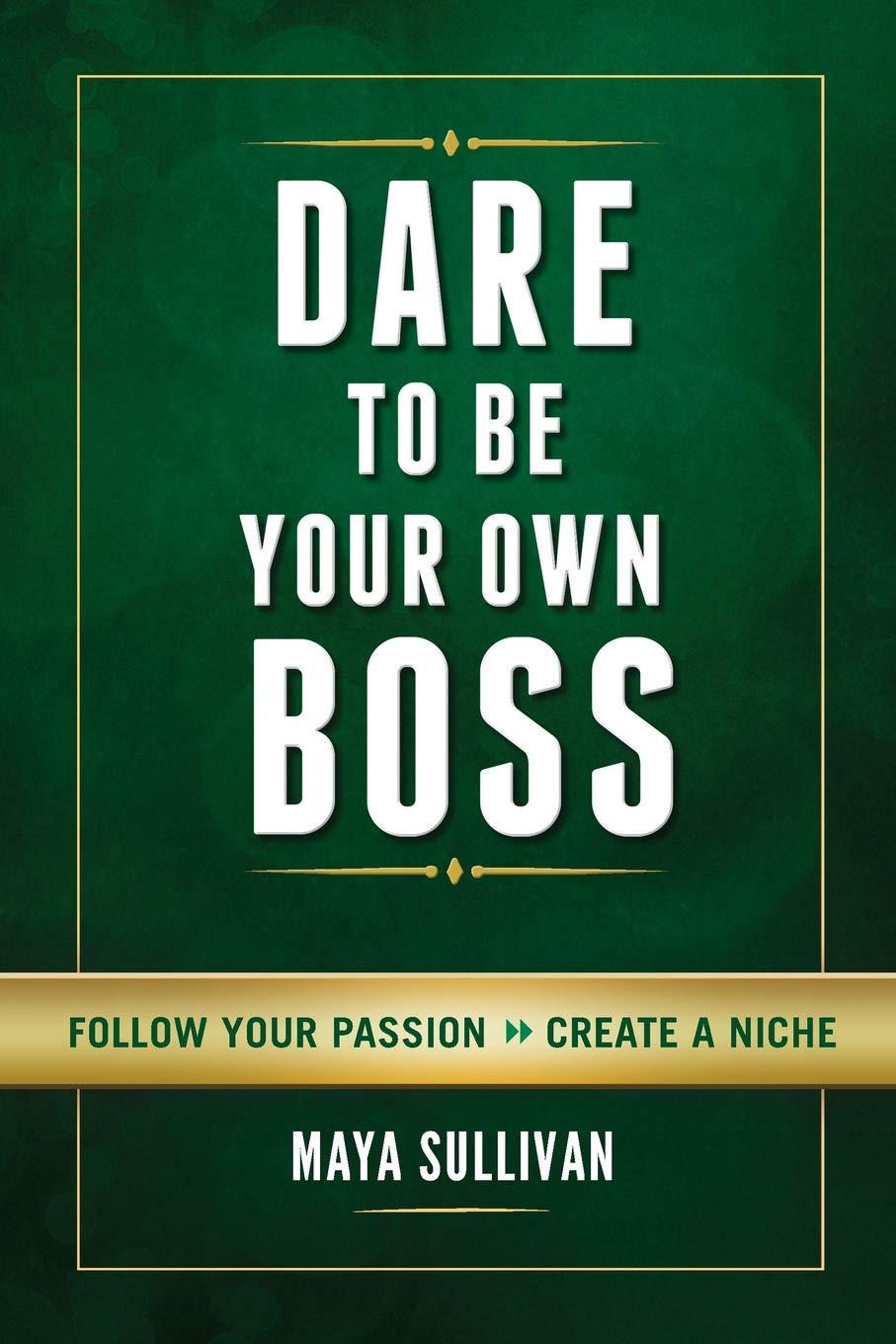



The prospect of being one’s own boss appeals to millions of people. Yet it can be challenging to know what type of enterprise to create or when to make the leap. Dare To Be Your Own Boss: Follow Your Passion, Create a Niche empowers people to become their own boss by designing a business that is both viable and fulfilling. The essence of the book is about discovering one’s vocational passion, exploring opportunities and creating a venture that is a good fit for the entrepreneur. The book was written to serve people who desire to be their own boss—and others who are looking for a career change—yet don’t know what.Starting a business is a five-step process.The first step involves tapping into what sparks one’s enthusiasm. The book offers readers 14 ways to clarify what is important to them. Clues to ideal careers are embedded in values, strengths, childhood dreams, skills and other areas. Pursuing one’s vocational passion increases the potential for success and can emotionally support a person through all kinds of hurdles.The second step encompasses looking at areas where there is a demand for products and services. This includes selecting the types of groups to serve such as seniors, children or businesses. In others words the type of people one feels impassioned to serve. The book explores a variety of ideas and offers 300 resources and over 600 opportunities that can help in discovering thousands of potential niches.The third step involves matchmaking—taking ideas from steps one and two then combining them to identify concepts that resonate. The greater the excitement for what a person is doing, the more likely she is to prosper.Step four encompasses navigating the market research process. The book offers 16 sources of information and a list of 21 questions. Learning about the potential viability of a concept—the reality behind the dream—can save time and money. It involves looking at trends and kinds of business enterprises that could do well, even in weak economies, for well-managed companies.The fifth step is about moving forward and taking 50 action steps to make it happen. It is time to join the ranks of startups and new business enterprises.Exercises throughout the book help readers gain insight into their interests and level of enthusiasm. A complimentary spreadsheet is downloadable at www.DareToBeYourOwnBoss.net and makes it easy for the reader to record what is appealing. It helps readers identify areas of entrepreneurship that resonate and are a good fit. By the end of the book, a person will have built a spreadsheet that offers a big picture of his entrepreneurial traits, interests and potential ventures.Being one’s own boss can be empowering, stimulating and overwhelming at the same time. Yet people have an opportunity to use their values, strengths and talents to make a difference in their unique way and to be of service to others. Readers are encouraged to follow their hearts and pursue their dreams. This combination self-assessment and idea starter should spark the interest of anyone with entrepreneurial driveDebut author Sullivan, herself an entrepreneur and small-business trainer, enters a crowded category but sets her work apart with its good intentions. Rather than supply the how-to advice commonly found in most be-your-own-boss books, Sullivan explores the motivational aspects of pursuing the entrepreneurial dream while also providing a wealth of business ideas. In the book’s first section, Sullivan offers such entries as “10 traits for entrepreneurial success,” “six benefits and six drawbacks” of being your own boss, and “14 keys to ignite your enthusiasm and passion.” Part 2 digs into the details of where an entrepreneur’s passion may lie. Here, Sullivan walks the reader through “12 areas of opportunity,” including both general and specific conceptual ideas. For example, the first two chapters in this section make a useful distinction between focusing on selling to consumers versus selling to businesses (B2B), while another chapter addresses selling to governments. Other areas key in on current trends that suggest possible areas of business opportunity: e.g., food and family farms, pets and companion animals, assisting seniors and people with disabilities, and “promoting a sustainable future.” A chapter entitled “Serving Needs of the Global Population” puts forth the concept of “social entrepreneurship.” The book’s final section concerns the entrepreneur’s assessment of the viability of a chosen idea. Here, Sullivan lays out a process for idea evaluation, offers helpful advice about how to do market research to determine an idea’s value, and provides an alphabetical listing of “50 Steps to Starting Your Business.” She includes a helpful multipurpose spreadsheet that can be used to rate areas of interest and ends with an extensive resources section. Sullivan applies a refreshing amount of altruism to her choice of categories that should give would-be entrepreneurs a sense of purpose as