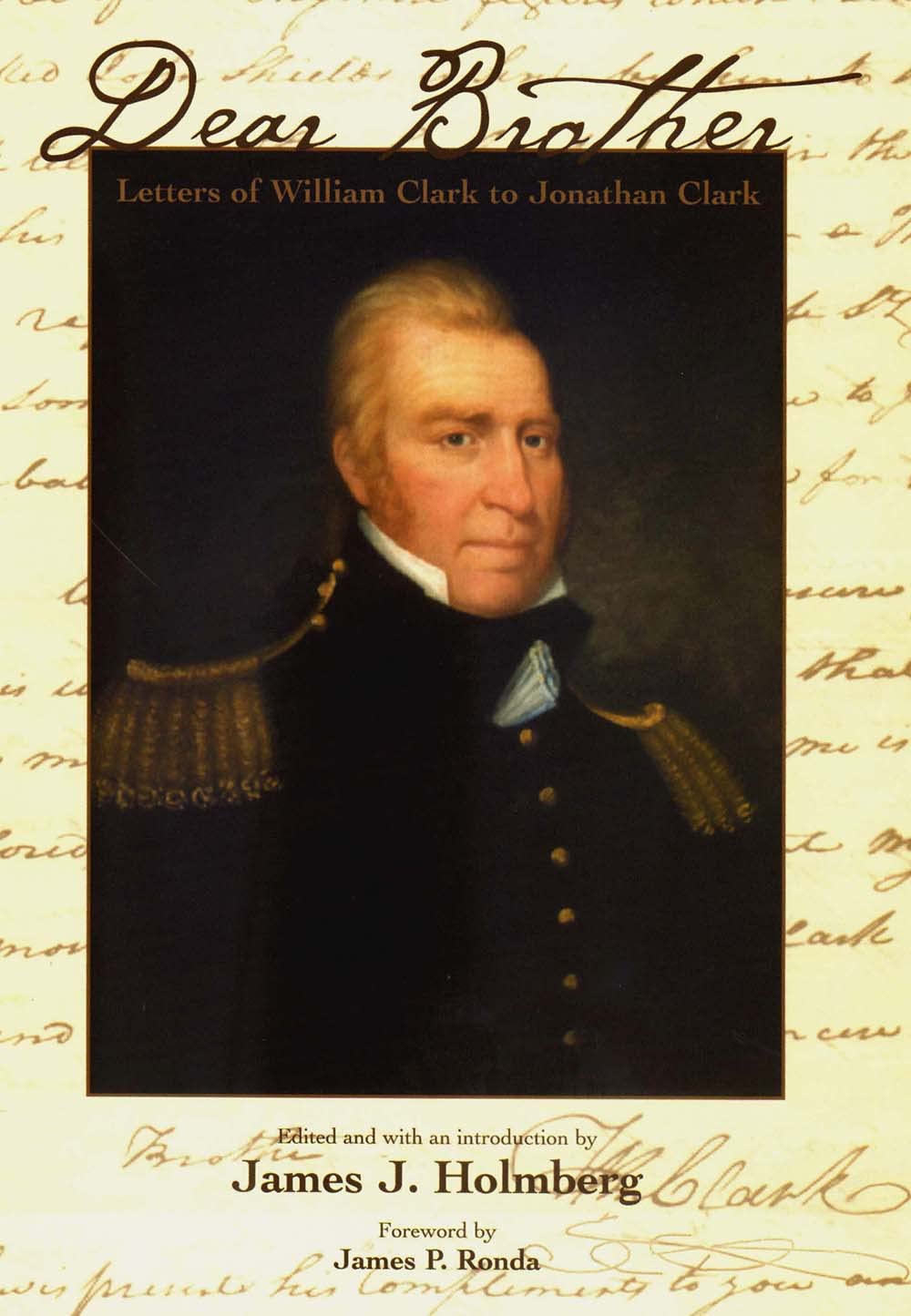



Over the course of his career, American explorer William Clark (1770–1838) wrote at least forty-five letters to his older brother Jonathan, including six that were written during the epic Lewis and Clark Expedition. This book publishes many of these letters for the first time, revealing important details about the expedition, the mysterious death of Meriwether Lewis, the status of Clark’s slave York (the first African American known to have crossed the continent from coast to coast), and other matters of historical significance. There are letters concerning the establishment of the Corps of Discovery’s first winter camp in December 1803, preparations for setting out into the country west of Fort Mandan in 1805, and Clark’s 1807 fossil dig at Big Bone Lick, Kentucky. There are also letters about Lewis’s disturbed final days that shed light on whether he committed suicide or was murdered. Still other letters chronicle the fate of York after the expedition; we learn the details of Clark and York’s falling out and subsequent alienation. Together the letters and the richly informative introductions and annotations by James J. Holmberg provide valuable insights into the lives of Lewis and Clark and the world of Jeffersonian America. Published in association with The Filson Historical Society Holmberg (curator of special collections, Filson Historical Society) presents a fascinating and informative collection of 54 letters William Clark sent to his older brother Jonathan and other family members, many of which are published here for the first time. The letters begin in 1792 and end with Jonathan's death in 1811. Clark writes about his experiences in the U.S. Army (1792-96), his business travels, the Corps of Discovery epic, his time as Superintendent of Indian Affairs in the Louisiana Territory, plus plenty of family gossip and news from the neighbors. Detailed notes regarding places, events, and people follow each letter. Of special interest are the letters Clark wrote concerning Meriwether Lewis's suicide, which reveal the depths of Clark's anguish. Also of interest are the references to York, Clark's slave who journeyed to the Pacific with the Corps. With the upcoming bicentennial of the Lewis and Clark expedition in 2004 and continued interest in the lives of these great explorers, this book will surely be popular. Recommended for all libraries. Margaret Atwater-Singer, Univ. of Evansville, IN Copyright 2002 Cahners Business Information, Inc. James J. Holmberg is Curator of Special Collections, The Filson Historical Society. James P. Ronda is H. G. Barnard Professor of Western History at the University of Tulsa.