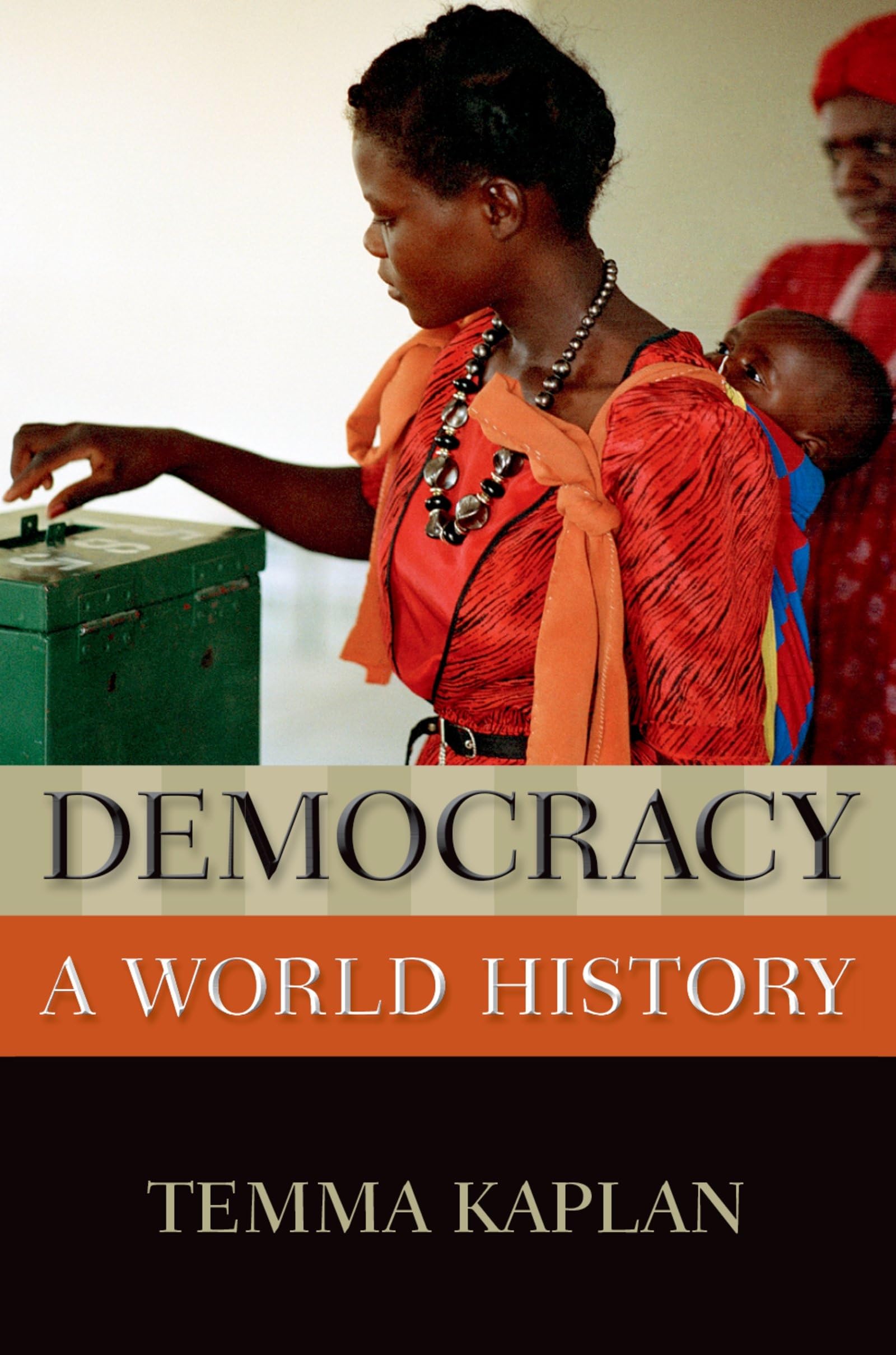



In our time, the term "democracy" is frequently evoked to express aspirations for peace and social change or particular governmental systems that claim to benefit more than a select minority of the population. In this book, Temma Kaplan examines attempts from ancient Mesopotamia to the early twenty first century to create democratic governments that allow people to secure food, shelter, land, water, and peace for their mutual benefit. Since early times, proponents of direct or participatory democracy have come into conflict with the leaders of representative institutions that claim singular power over democracy. Patriots of one form or another have tried to reclaim the initiative to determine what democracy should mean and who should manage it. Frequently, people in small communities, trade unions, or repressed racial, religious, and political groups have marched forward using the language of democracy to carve a space for themselves and their ideas at the center of political life. Sometimes they have reinterpreted the old laws, and sometimes they have formulated new laws and institutions in order to gain greater opportunities to debate the major issues of their time. This book examines the development of the democratic ideal from ancient Rome to the Cortes in Spain, the philosophies of Guru Nanak and the Castilian patriot Juan de Padilla, and such inspirational personalities as the Polish trade unionist Anna Walentnyowicz and Burmese politician Aung San Suu Kyi. Though few democracies have sustained themselves for significant lengths of time, their emergence nearly everywhere on earth over thousands of years indicates their resilience despite the fragility of the democratic ideal. Focusing on local movements to achieve equal distribution of social, economic, and political rights and natural resources, Democracy examines how ordinary and extraordinary men and women of different cultural and religious backgrounds have formed and attempted to sustain institutions that would permit them to live together in equality and peace. Temma Kaplan is a Distinguished Professor of History at Rutgers University. A longtime teacher, scholar, and activist in pursuit of social justice, she has brought all these commitments to bear in her studies of Spanish anarchism, Picasso in Barcelona, women's struggles against environmental and political racism and in the worldwide attempts of ordinary people to create and sustain the democratic institutions that would enable them to live together in justice and peace.