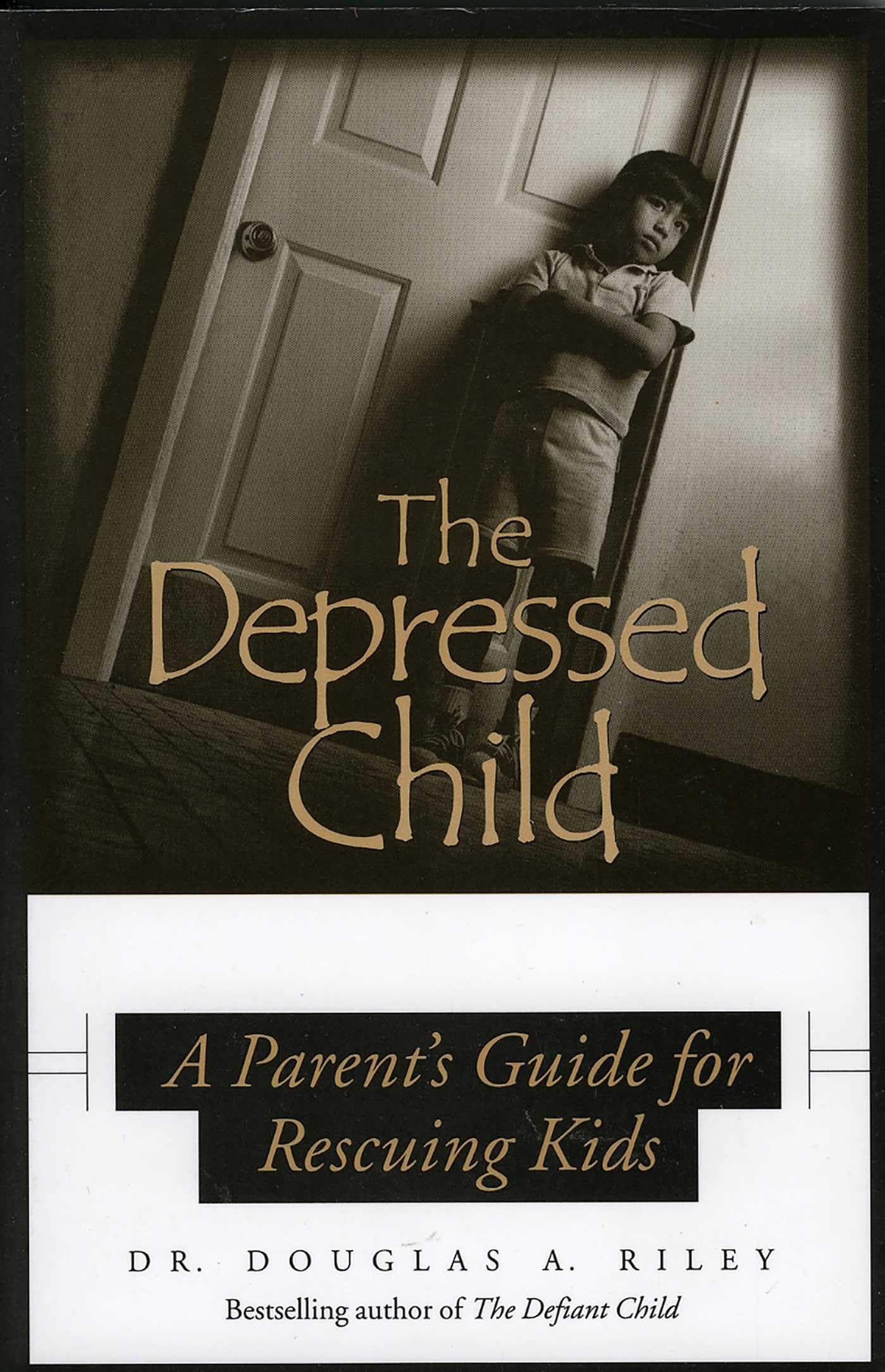



By emphasizing how parents can talk to their children about thoughts and feelings, exploring how children develop negative beliefs about themselves, and teaching parents how to help their children change those hopeless self-perceptions, Dr. Douglas A. Riley outlines practical methods that parents and children together can use to find solutions to the dark thoughts that plague so many young people today. Children and teens are increasingly being diagnosed as depressiveAperhaps because modern life is becoming more challenging or possibly because treatments that have proven effective for adults also work well for children. A staff physician with the Division of Adolescent Medicine at Toronto's Hospital for Sick Children, Kaufman presents a good primer on treating teen depression. All of the major topics are covered in clear-cut language: how to find a therapist, possible treatments (including therapy and drug treatments, as well as alternative remedies), suicide prevention, and treatment of related substance abuse and anxiety disorders. Recommended if your library doesn't own Gerald D. Oster and Sarah S. Montgomery's Helping Your Depressed Teenager: A Guide for Parents and Caregivers (Wiley, 1994). The Depressed Child, on the other hand, is not recommended. Riley, a clinical psychologist, offers some interesting suggestions here and there (e.g., the importance of hugging a depressed child), but his idea that a parent should undertake to "rescue" a child who is suicidal or hallucinating is irresponsible. Such kids need professional help. David G. Fassler and Lynne S. Dumas's "Help Me, I'm Sad": Recognizing, Treating, and Preventing Childhood and Adolescent Depression (Viking, 1997) is a better recent title. Copyright 2001 Reed Business Information, Inc. Clinical psychologist Riley tackles a difficult subject with aplomb in this keenly insightful guide for parents. Riley's advice is commonsensical and sound, and the concrete tools he offers in the slim, practical volume provide a lifeline to parents of any child struggling with depression. ― Publishers Weekly Sobering, powerful, and essential to understanding the mind of a depressed adolescent, The Depressed Child is highly recommended. ― The Bookwatch Used Book in Good Condition