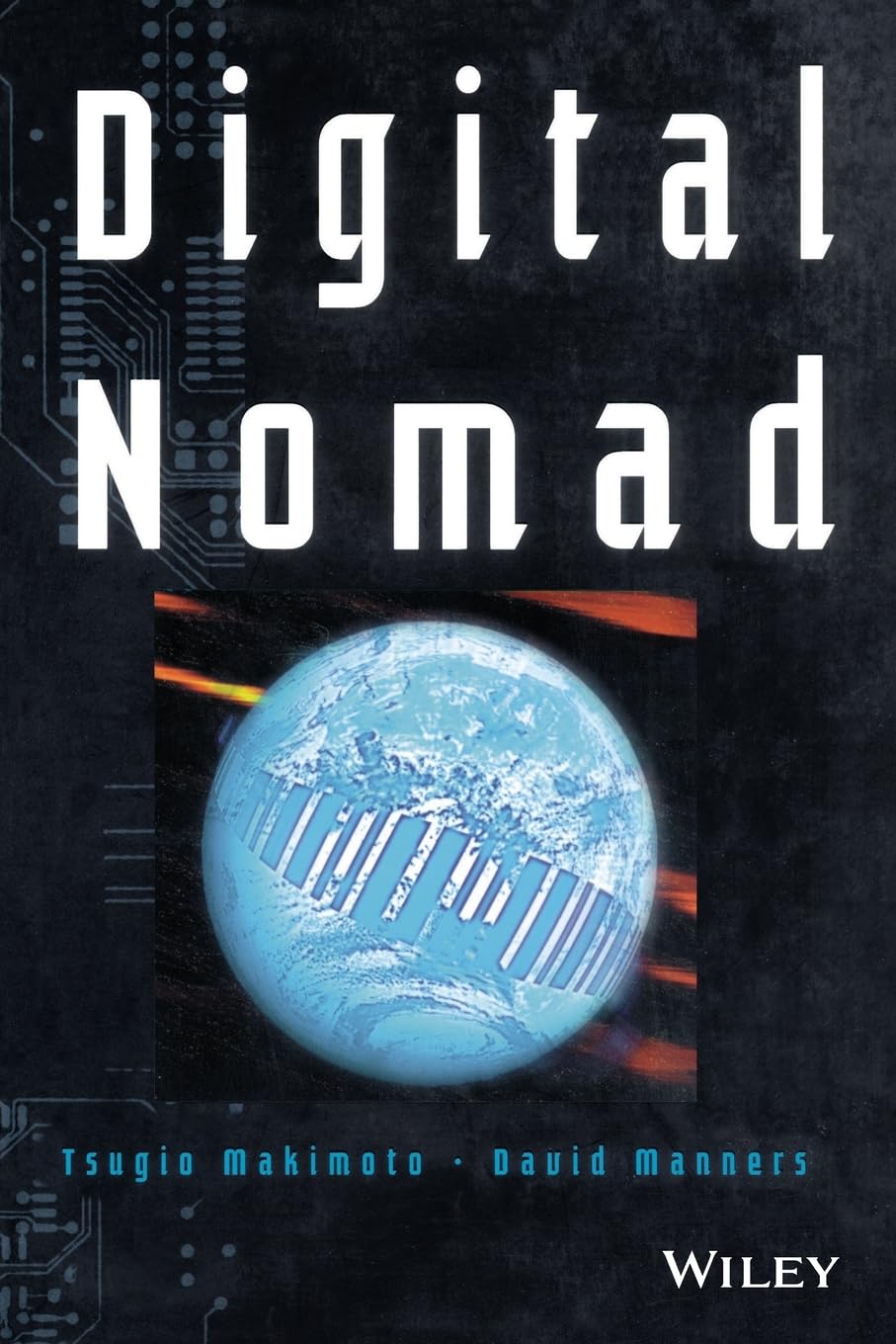



Digital Nomad tells us how current and future technologicalpossibilities, combined with our natural urge to travel, will onceagain allow mankind to live, work, and exist on the move. This iswhat just some of the world s major company leaders and thinkersare saying about Digital Nomad. "The book provides us with a deep insight into the lifestyle in thefuture" Kazuo Kashio, President, Casio Computer "The book is fun to read and the technical content is sound andperceptive" John G. Linvill, Professor of Electronic Engineering atStanford University, California "This book answers the question What is the value of informationfor human beings? " Hiroo Toyoda, Chairman (former President), NTTElectronics "From a new perspective, based on fact, two famous authors describea dramatic lifestyle change: global nomadism" Jurgen Knorr,President, Siemens Semiconductors, 1983 96 ("for 13 years one ofthose Digital Nomads") "Success in 21st century business will indeed depend on the abilityto master the nomadic environment. A guide to this emerging worldis therefore highly welcome" Pasquale Pistorio, President and CEO,SGS-Thomson Microelectronics "At heart we are travellers and explorers, unnaturally constrainedto our place of work. This book s unique insight into moderntechnology shows how we can be freed to roam again" Doug Dunn OBE,Chairman and CEO, Phillips Sound and Vision New digital technologies promise to enable large numbers of people to work wherever and whenever they wish and to choose between a stationary or nomadic lifestyle. In Digital Nomad , Makimoto and Manners explore the new potential for modern nomadism, beginning with the technology that is making it possible. They cite some examples of current nomads, such as the president of a major European technology company who does not have the traditional perk of the president's office. Instead, he spends his workweek traveling around Europe from one company site to the next. Digital technology has made it more economical and efficient for the company to work this way. But the authors point out that there is more to nomadism than the technical ability. They discuss how nomads tend to be difficult to track, making them difficult to tax and control. Many governments see nomads as threats and some governments are currently discouraging nomadic lifestyles that have existed for thousands of years. How will world governments react then to those who opt for a high-tech nomadic life? The authors also discuss what parts of the world may be most attractive to tomorrow's digital nomads, speculating on how future technological developments may further enhance the ability to live and work on the go. It's debatable if many people really want a life with no physical roots, but Makimoto and Manners's speculations read like a dream come true for those who'd love more variety in their work lives. This is a highly readable book on how technology will change our working lives in the 21st Century. As companies downsize, merge, de-merge and acquire to obtain the capabilities they think they need, people will be forced to ask themselves: Am I a nomad or settler? This choice will become a mainstream lifestyle option and this book will explore this proposition. What makes this book different is the way it relates to the probable and possible - not speculative dreaming. It also focuses on microelectronics as the key enabling factor for products that will enable nomadism. Digital Nomad tells us how current and future technological possibilities, combined with our natural urge to travel, will once again allow mankind to live, work, and exist on the move. This is what just some of the world's major company leaders and thinkers are saying about Digital Nomad. The book provides us with a deep insight into the lifestyle in the future Kazuo Kashio, President, Casio Computer The book is fun to read and the technical content is sound and perceptive John G. Linvill, Professor of Electronic Engineering at Stanford University, California This book answers the question ?What is the value of information for human beings Hiroo Toyoda, Chairman (former President), NTT Electronics From a new perspective, based on fact, two famous authors describe a dramatic lifestyle change: global nomadism Jürgen Knorr, President, Siemens Semiconductors, 1983?96 (for 13 years one of those Digital Nomads) Success in 21st century business will indeed depend on the ability to master the nomadic environment. A guide to this emerging world is therefore highly welcome Pasquale Pistorio, President and CEO, SGS-Thomson Microelectronics At heart we are travellers and explorers, unnaturally constrained to our place of work. This book's unique insight into modern technology shows how we can be freed to roam again Doug Dunn OBE, Chairman and CEO, Phillips Sound and Vision Digital Nomad tells us how current and future technological possibilities, combined with our natural urge to travel, will once again allow mankind