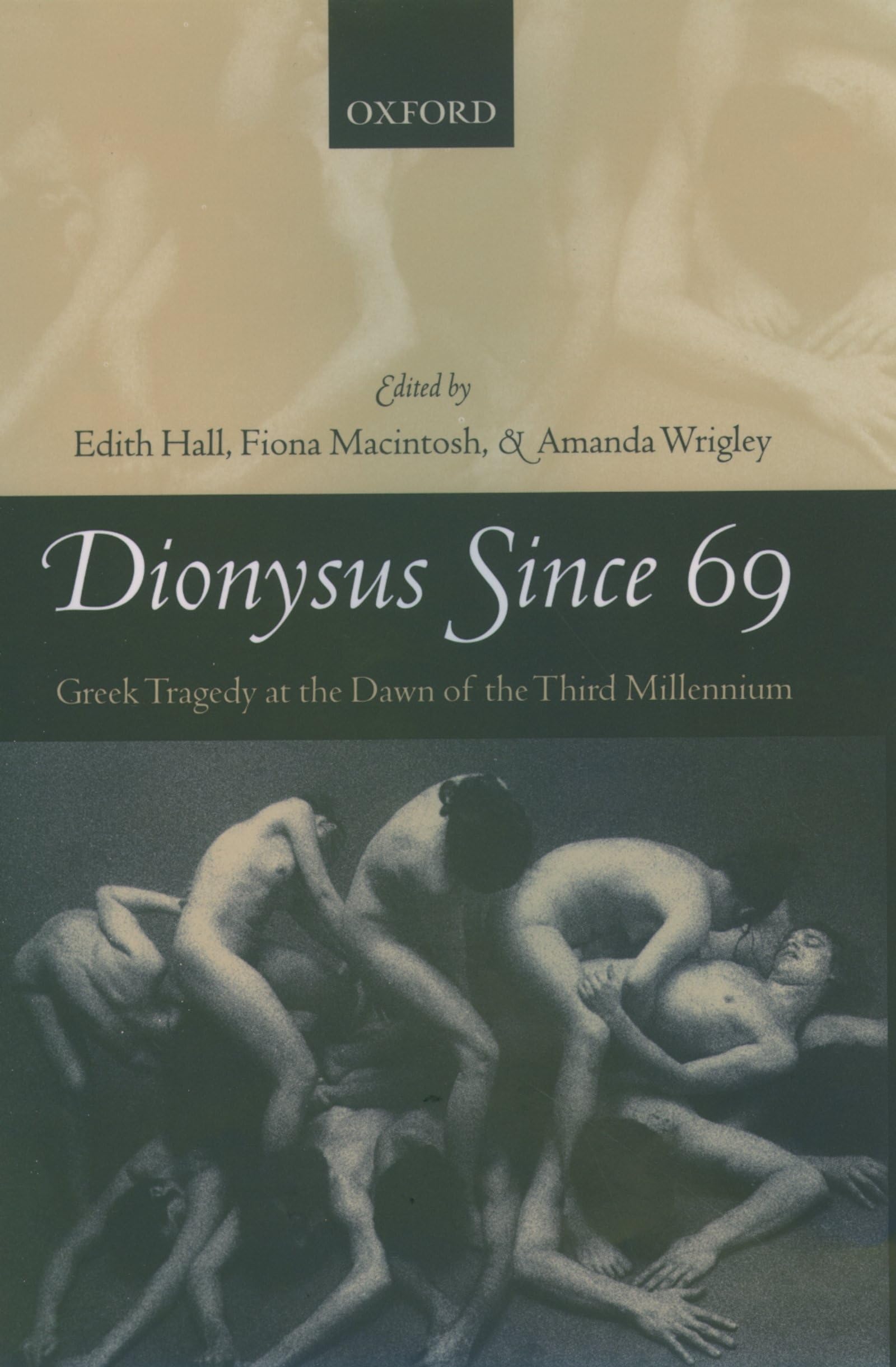



Greek tragedy is currently being performed more frequently than at any time since classical antiquity. This book is the first to address the fundamental question, why has there been so much Greek tragedy in the theatres, opera houses and cinemas of the last three decades? A detailed chronological appendix of production information and lavish illustrations supplement the fourteen essays by an interdisciplinary team of specialists from the worlds of classics, theatre studies, and the professional theatre. They relate the recent appeal of Greek tragedy to social trends, political developments, aesthetic and performative developments, and the intellectual currents of the last three decades, especially multiculturalism, post-colonialism, feminism, post-structuralism, revisions of psychoanalytical models, and secularization. "This tetrapartite volume contains fourteen thought-provoking essays by leading scholars on various intersections between ancient Greek tragedy and modern film, stage plays, and operas since 1969."-- Text & Presentation, 2005 The first attempt to explain the revival of interest in Greek tragedy in the late twentieth century Edith Hall is Leverhulme Professor of Greek Cultural History at the University of Durham and Co-Director of the Archive of Performances of Greek and Roman Drama, University of Oxford. Fiona Macintosh is Senior Research Fellow at the Archive of Performances of Greek and Roman Drama, University of Oxford. Amanda Wrigley is Researcher at the Archive of Performances of Greek and Roman Drama, University of Oxford.